Why Cats Groom Each Other: The Social and Health Reasons Behind Allogrooming
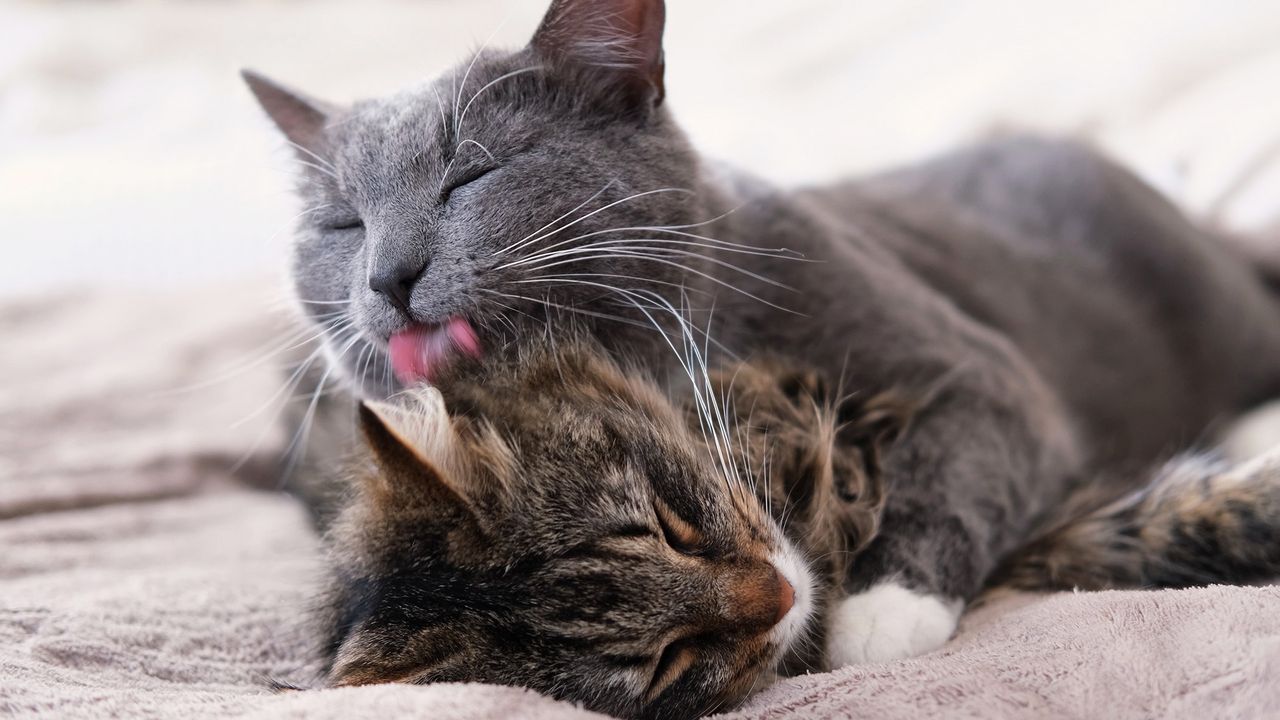
When a cat stops to lick a fellow feline's fur, many owners see it as a simple sign of friendship. Scientists, however, view the act—called allogrooming—as a complex communication method that can cement social bonds, set hierarchy, lower stress, and even have health‑related functions.
Allogrooming happens when one cat uses its tongue to clean another’s coat, a ritual common in multi‑cat settings such as shelters, farms, and private homes. This behavior differs from self‑grooming and is purposefully aimed at a particular companion, indicating intention rather than random licking.
A chief purpose of this conduct is to reinforce social ties. By swapping scent and tactile contact, cats develop a shared olfactory signature that marks group membership. In tightly bonded groups, frequent grooming signals mutual trust and cooperation, while occasional grooming may suffice to keep a basic level of cohesion.
Allogrooming also contributes to the formation and maintenance of dominance hierarchies. Lower‑ranking cats often receive more grooming from higher‑ranking individuals, a pattern that mirrors hierarchies observed in wild felid colonies. In turn, a dominant cat may groom a subordinate to assert authority while simultaneously offering a soothing gesture that curbs potential conflict.
In addition to social effects, the behavior offers physiological advantages. The rough surface of a cat’s tongue removes loose hair, debris, and external parasites, supporting overall coat health. The rhythmic licking triggers endorphin release, which can reduce anxiety for both participants, especially in stressful situations such as moving homes or veterinary visits.
Mother‑kitten exchanges demonstrate another facet of allogrooming. Kittens learn to groom their mothers, and mothers reciprocate, as part of early socialization. This two‑way grooming not only cleans the young but also transfers the mother’s scent onto the kittens, strengthening family bonds that last into adulthood.
For cat owners, watching how often and in what context allogrooming occurs can provide insight into household dynamics. Regular, relaxed grooming bouts usually point to a peaceful group, whereas a sudden rise in grooming aimed at a specific cat may indicate discomfort, illness, or social tension. In such instances, a veterinary examination is recommended.
Researchers are still probing the neurochemical routes that drive feline grooming, seeking to clarify how the act influences stress hormones and immune function. As the body of work grows, owners can look forward to more detailed advice on reading their cats’ tactile interactions, helping them nurture healthier, more balanced multi‑cat environments.


Comments (0)
Be the first to comment.
Join the discussion