WHO highlights missing official cause for death of Russian infectious‑disease scientist
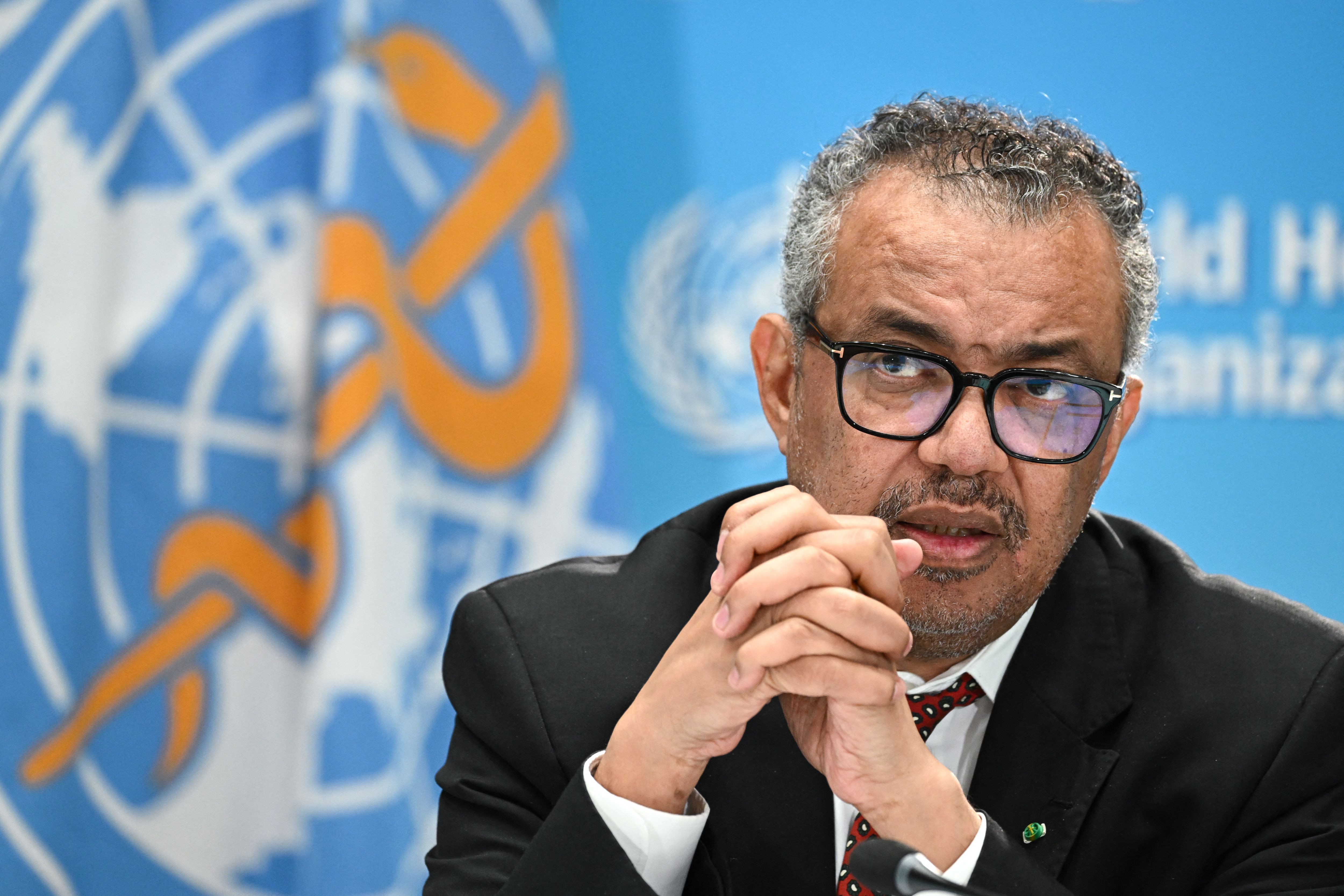
Over the weekend, the World Health Organization released a disease‑outbreak bulletin that points to the still‑unclear circumstances of a Russian infectious‑disease scientist’s death earlier this month. The bulletin observes that Russian officials have yet to supply a definitive cause of death, calling this gap a “key uncertainty” in the current evaluation.
The WHO brief states that the scientist was discovered dead inside a laboratory, yet information about the event is limited. Russian health authorities have refused to publish an official autopsy, and no public comment has explained whether the fatality was due to an accident, pathogen exposure, or another cause.
The incident comes as worldwide attention on high‑containment labs has grown sharper. In the wake of the COVID‑19 pandemic, concerns over biosafety practices in laboratories worldwide have spurred demands for more openness, and the Russian situation adds another dimension to the discussion. International health agencies have continually pressed governments to provide prompt, precise information when atypical health events arise.
The WHO bulletin forms part of its regular surveillance program designed to warn the public‑health community of possible threats at the earliest opportunity. In this case, the agency underscored the scarcity of trustworthy data, noting that without a definitive cause, risk evaluation and preventive actions are impeded.
Experts warn that the absence of a conclusive explanation might impact joint research initiatives and could trigger diplomatic calls for an independent probe. Several countries have already signaled that they will keep a close watch on the matter, particularly because the scientist’s work involved pathogens with potential wider public‑health ramifications.
Going forward, the WHO says it will keep requesting clarification from Russian health officials and may release further updates should new information emerge. This position reinforces the wider principle that open reporting is vital for global health security, especially when lab incidents could transcend borders.



Comments (0)
Be the first to comment.
Join the discussion