White Over‑Intersection Cameras Aid Traffic Flow, Not Speed Monitoring
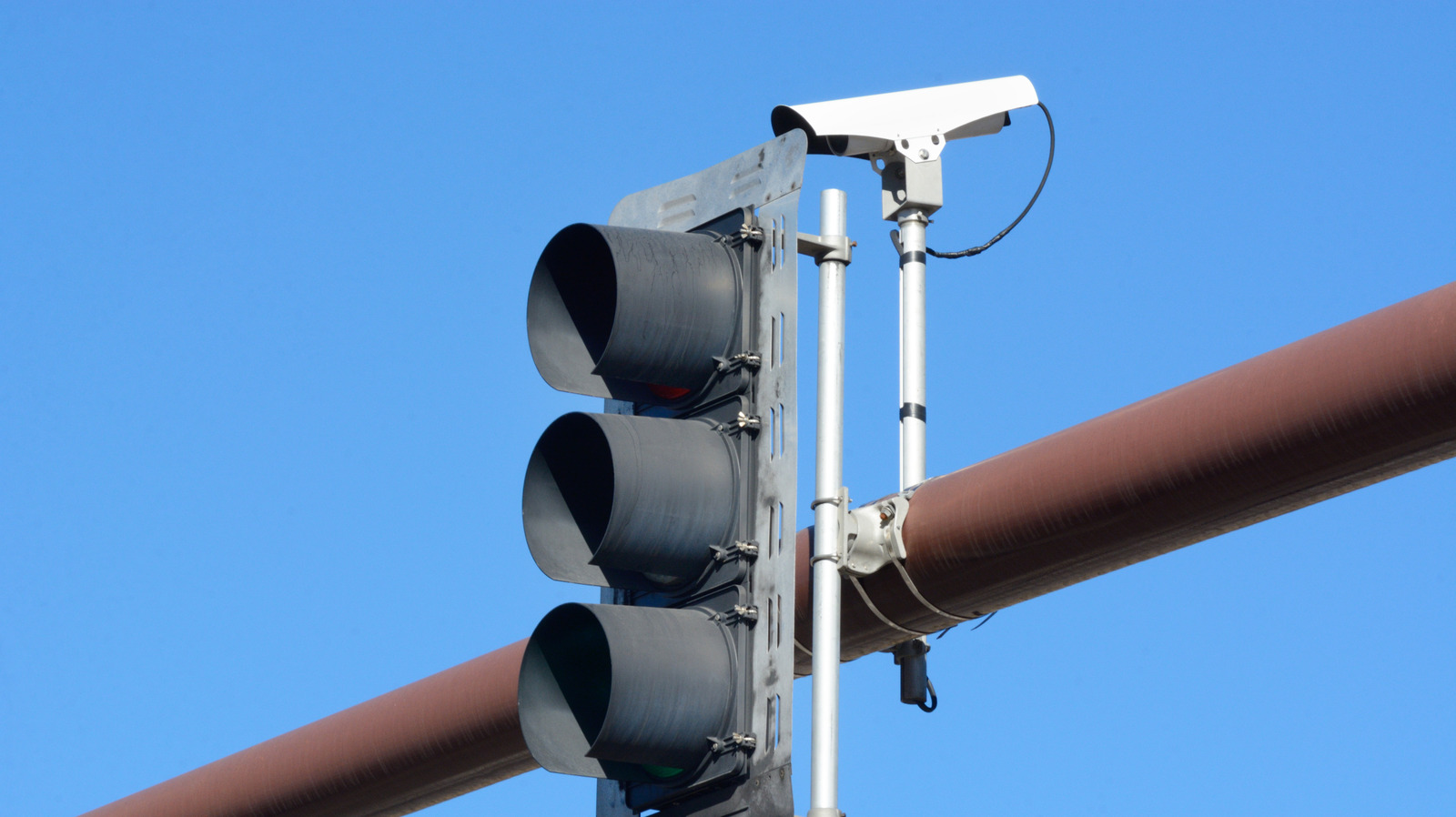
When motorists notice the diminutive white cameras mounted on traffic‑light poles, they often jump to the conclusion that these devices belong to a surveillance grid capable of tracking a car’s movements, especially given the recent controversy surrounding Flock and comparable dash‑camera products. In fact, their purpose is quite different: they gather information that assists city engineers in regulating traffic flow and enhancing roadway safety.
Most cities that deploy the cameras do so as part of an Intelligent Transportation System (ITS). The units record video of vehicle queues, lane usage and signal compliance, sending the data to traffic‑management centers almost in real time. By examining these patterns, engineers can fine‑tune signal timings, spot congestion early and allocate resources more effectively, eliminating the need for manual counts or outdated modeling techniques.
The mix‑up arises partly because these traffic‑monitoring cameras look much like the more contentious Flock devices that some drivers affix to their windshields. While Flock cameras are intended to log a vehicle’s location and speed for insurance or security reasons, the white pole‑mounted cameras are generally owned by transportation agencies and are not tied to individual driver profiles. Their footage is typically retained only briefly and employed for aggregate analysis rather than for enforcement.
In the past, many municipalities relied on inductive loops embedded in the pavement to measure traffic volume. Such loops are expensive to upkeep and can be disrupted by construction work. Overhead cameras offer a flexible substitute that can be installed rapidly and moved as needed. They also support advanced capabilities like video‑based incident detection, where algorithms identify stopped cars or accidents and trigger a quicker emergency response.
Privacy advocates remain watchful, pointing out that any video recording in public spaces raises legitimate concerns. Transportation departments usually mitigate these worries by anonymizing the data, blurring license plates and faces before analysis, and by publishing clear policies on data retention and access. Certain jurisdictions even convene public meetings to explain how the cameras function and what safeguards are in place.
Looking forward, the addition of artificial‑intelligence analytics could boost the cameras’ usefulness, enabling cities to forecast traffic trends and dynamically adjust signals on the fly. At the same time, the debate over surveillance and data usage is likely to persist, urging agencies to balance operational advantages with transparent privacy practices. For drivers, understanding that the white cameras above traffic lights are chiefly traffic‑management tools—not personal trackers—may help calm current public unease.


Comments (0)
Be the first to comment.
Join the discussion