Waymo Teams with Toyota to Initiate bZ4X Driverless Robotaxi Tests in Japan Next Year
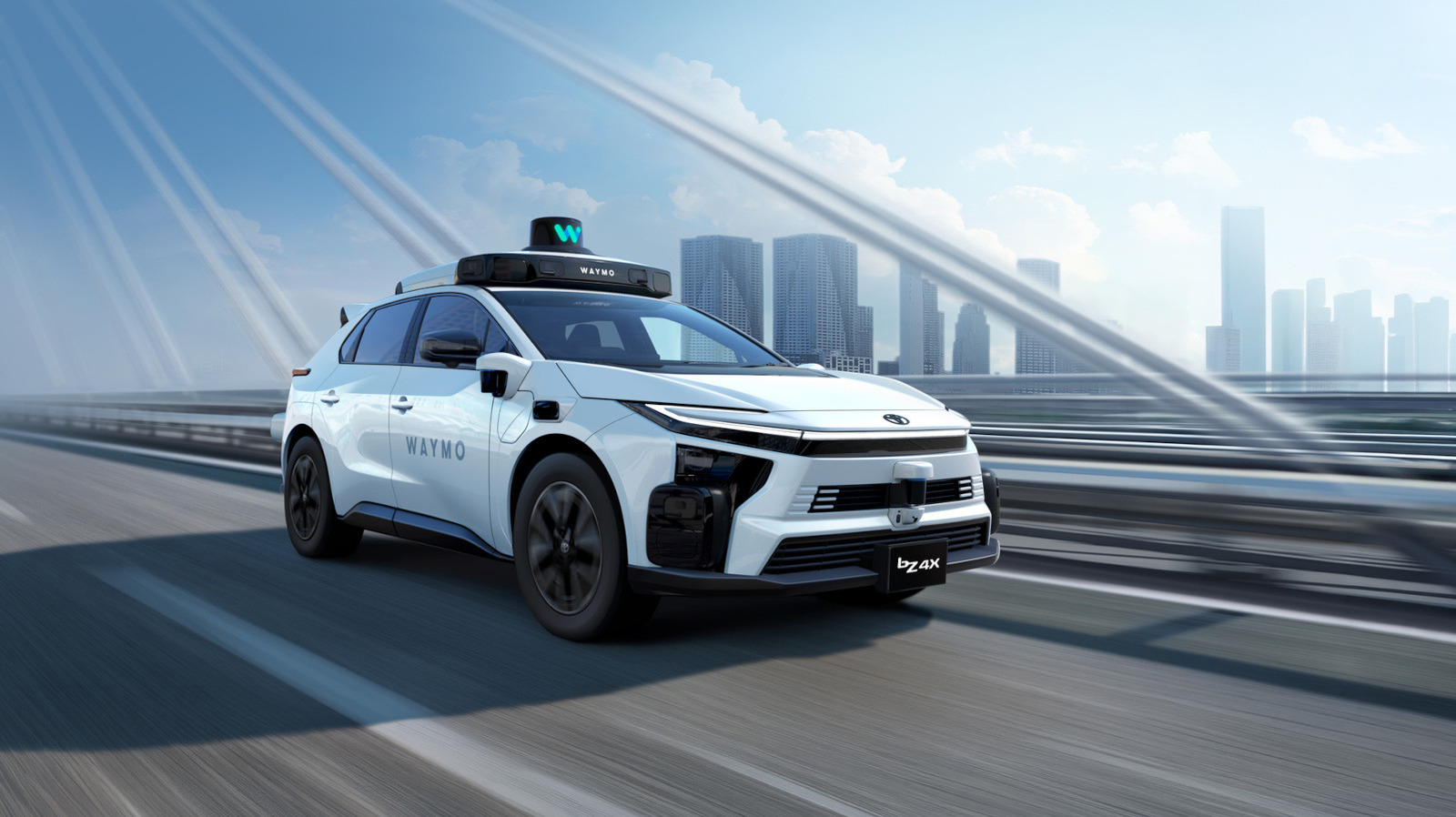
Waymo and Toyota disclosed that they will start on‑road trials of driverless robotaxis using Toyota’s bZ4X electric SUV in Japan next year, representing a significant extension of autonomous‑vehicle testing in Asia.
The partnership pairs Waymo—Alphabet’s self‑driving unit that already runs driverless services in a handful of U.S. cities—with Toyota, which is introducing its inaugural purpose‑designed autonomous model derived from the bZ4X. Under the agreement, Waymo’s sensors and software will be fitted into the Japan‑spec bZ4X, enabling the cars to run without a human safety driver in a controlled environment.
The bZ4X, Toyota’s flagship of the "beyond Zero" electric lineup, offers a chassis well‑suited for autonomous conversion due to its sophisticated driver‑assist hardware and adaptable design. Coupling this platform with Waymo’s proprietary perception and decision‑making technology, the duo intends to test fully driverless performance in city and suburban environments characterized by heavy traffic, diverse signage, and intricate pedestrian movements.
Japan has been vigorously encouraging autonomous‑vehicle progress via multiple regulatory pilots and public‑private collaborations. The Ministry of Land, Infrastructure, Transport and Tourism has released rules allowing limited driverless experiments on public roads, as long as safety measures and data‑sharing conditions are satisfied. Earlier trials by local companies and overseas players centered on shuttle‑style cars and Level 3 assisted systems; the forthcoming Waymo‑Toyota test is set to be among the first to pursue Level 4 autonomy in an actual road setting.
Analysts view the alliance as a reference point for how traditional automakers and tech firms can merge capabilities to speed up rollout. Proving Waymo’s software on a mass‑produced electric SUV could pave the way for larger commercial deployments, and Toyota would collect crucial data to hone its autonomous strategy. The tests are slated to last several months, after which the partners will evaluate safety results and public response before determining whether to broaden driverless services in Japan.



Comments (0)
Be the first to comment.
Join the discussion