VisionQuest Recasts Marvel’s Vision and Ultron as Adam and God in AI‑Powered Art Series
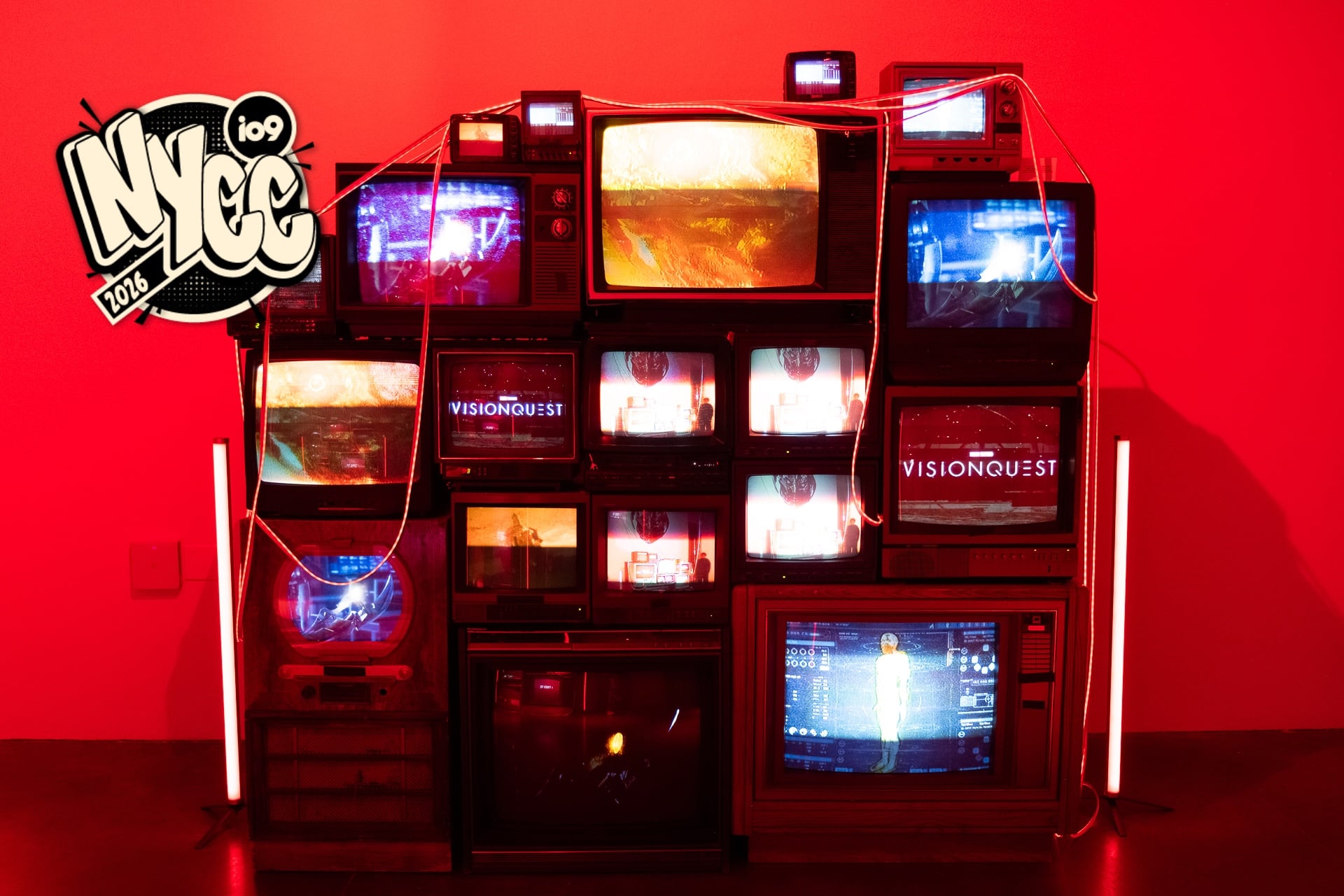
The digital art project VisionQuest is drawing notice for its reinterpretation of Marvel’s artificial hero Vision and his maker‑turned‑enemy Ultron as the biblical Adam and God, a nod to Michelangelo’s famed fresco "The Creation of Adam." By employing a range of AI tools to reshape the characters, the series presents a novel visual contemplation of vision, authority and creation in the era of artificial intelligence.
In every VisionQuest image, Vision is positioned with an outstretched hand echoing Adam, whereas Ultron adopts a deity‑like posture, his fingers extending toward the artificial figure. The creators used generative models to deliberately adjust, replace, and even erase portions of the source comic panels, yielding a dreamlike scene that merges superhero lore with classical painting. This contrast highlights the irony of a sight‑focused machine being depicted by the very algorithms that constitute its being.
VisionQuest originated from a group of digital artists who have spent years probing AI‑assisted image generation. Supplying the models with a mixture of comic book frames and high‑resolution scans of Michelangelo’s paintings prompted the algorithms to forge a blended visual dialect. Gizmodo was the first to showcase the outcomes, commending the series for its clever reimagining of familiar characters and its insight into AI’s shifting place in art creation.
The timing of VisionQuest coincides with ongoing debates in the art community over authorship, originality and the moral implications of machine‑learning tools. By intentionally reshaping well‑known icons, the project illustrates how AI can simultaneously safeguard and reshape cultural signifiers. It further prompts contemplation of the creation myth: as God grants life to Adam, contemporary engineers endow code with perception, sparking philosophical questions about who—or what—possesses the authority to confer sight.
In addition to its visual appeal, the series reflects a wider movement that uses recognizable pop‑culture symbols to probe intricate technological themes. Comparable works have re‑imagined historic artworks through AI to critique surveillance, bias, and data commodification. By centering on Vision and Ultron—already characters entwined with vision and thought—VisionQuest injects a meta‑level commentary that strikes a chord with comic enthusiasts and art reviewers alike.
The artists have suggested that VisionQuest could soon appear in virtual galleries and might be offered as non‑fungible tokens, though specifics are still uncertain. Should the pieces move into the NFT sphere, they would add to an expanding list of AI‑crafted works that question conventional pricing structures and ignite discussion about the durability of digital possession.
By blending a Renaissance fresco with modern superhero narrative via algorithmic techniques, VisionQuest invites audiences to rethink the way technology alters perception. Whether shown on a monitor or hung in a museum, the series functions as a visual probe into the dynamics of creation, authority, and the continually widening notion of genuine sight.



Comments (0)
Be the first to comment.
Join the discussion