VHS‑Era Horror ‘Posthumous’ Examines Intergenerational Grief Through Analog Media
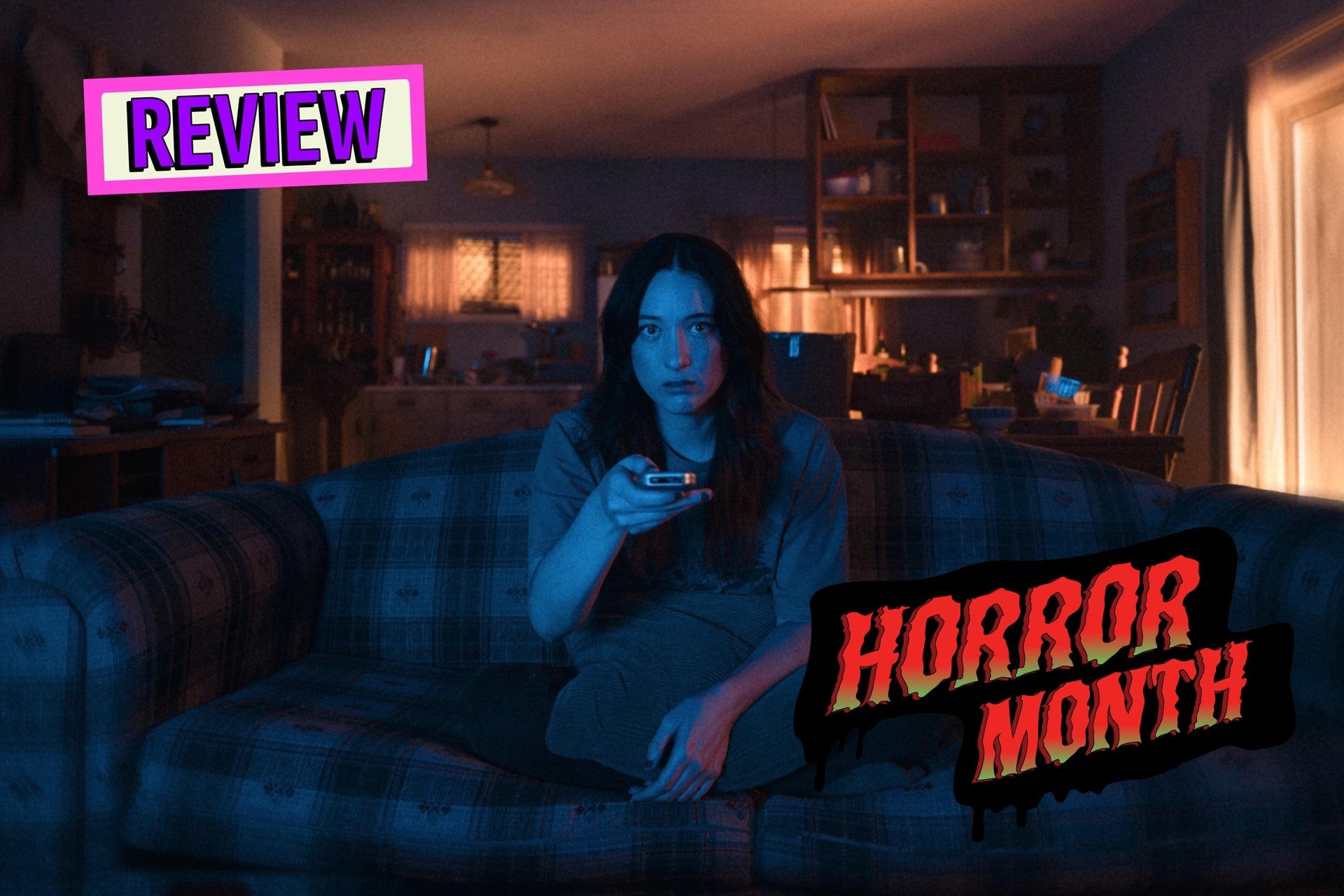
In his newest supernatural feature, “Posthumous,” director Josh Tanner employs the tangible aesthetic of VHS tapes to probe the way sorrow echoes through successive generations, casting the analog medium as a channel for contemporary emotional wounds.
The story tracks a household that stumbles upon a vintage videotape bearing disturbing images that appear to mirror a lingering grief from many years before. By presenting the tale through the grainy, tracking‑error‑laden look of 1980s home video, Tanner evokes a tangible nostalgia that highlights the protagonists’ effort to face their history.
Reviewers observe that “Posthumous” taps into a wider cultural dialogue concerning the transmission and transformation of trauma across generations. Its supernatural aspects serve less as low‑budget frights and more as a symbol for how unaddressed grief can surface in surprising, often eerie forms throughout family lineages.
Lately, indie horror makers have gravitated toward analog aesthetics—VHS, cassette tapes, and other outdated formats—to summon a tactile realism that digital tricks can miss. Tanner’s decision fits this movement, using the tangible flaws of tape playback to reflect the flawed manner in which individuals work through mourning.
Although “Posthumous” has not yet landed a broad theatrical distribution, its appearances at festivals have ignited debate over the place of nostalgic technology in modern narratives. Commentators predict the picture may attract a ready audience on streaming services aimed at genre enthusiasts, possibly encouraging deeper investigation into how legacy media can shed light on today’s emotional terrain.



Comments (0)
Be the first to comment.
Join the discussion