Vendors Propose Varied Strategies as Companies Grapple with AI Agent Access Controls
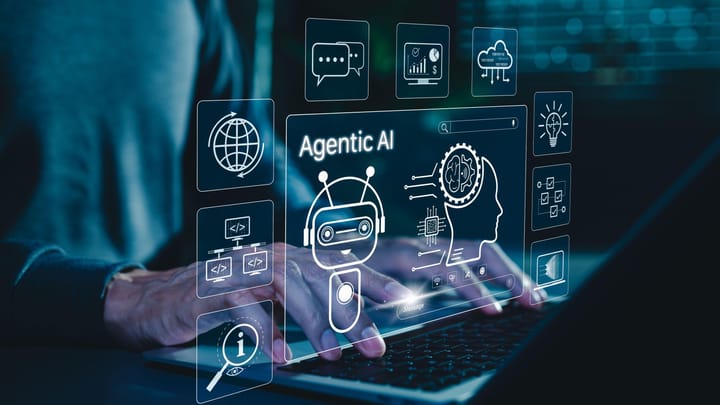
Companies that roll out generative AI agents are increasingly forced to impose rigorous access‑control rules that restrict the agents to their designated functions. Security executives observe a melding of identity checks, runtime oversight, and development‑phase protections, yet the solution landscape remains fragmented, forcing chief information security officers (CISOs) to balance divergent trade‑offs.
The difficulty stems from the mutable character of AI agents, capable of on‑the‑fly data requests, API calls, or code alterations as they evolve. Conventional perimeter security struggles with such activities, leading vendors to incorporate identity‑as‑a‑service solutions that repeatedly verify an agent’s origin and permission tier prior to every operation. This methodology reflects zero‑trust tenets long used for human users and devices.
In addition to identity, runtime governance is taking shape as a second cornerstone. Providers are adding live policy engines that examine an agent’s execution environment, alerting on irregular accesses to critical assets or departures from set workflows. Certain offerings use sandboxing or container isolation to curb the fallout of a rogue call, whereas others depend on behavior‑driven analytics to initiate automatic remediation once limits are exceeded.
Protective measures during development complete the three‑part framework. Inserting policy validations into the model‑training workflow lets organizations set guardrails that stop agents from acquiring excessively wide privileges. Utilities that examine model code for hard‑coded secrets, unsafe data‑handling patterns, or unauthorized third‑party libraries are becoming popular, delivering a proactive shield prior to any deployment.
Nevertheless, vendors differ on the integration of these components. Certain providers champion an all‑in‑one platform that weaves identity, runtime, and development safeguards into a single console, touting simplified oversight for security groups. Others deliver best‑of‑breed modules that shine in a specific area but need bespoke integration for the rest. This divergence compels CISOs to assess not just technical compatibility but also operational burden, lock‑in concerns, and the maturity level of each product.
Analysts forecast that as AI agents grow more ingrained in essential business functions, the industry will converge on standards for AI‑focused access control, similar to the evolution seen in cloud security. Until then, security heads should trial several solutions, align agent workflows with policy mandates, and keep an up‑to‑date register of AI assets. Choices made now will determine how securely firms can tap the efficiency benefits of autonomous AI while shielding vital data and systems from accidental exposure.



Comments (0)
Be the first to comment.
Join the discussion