University of Queensland launches nanoscale imaging system to track proteins in live neurons, advancing Alzheimer’s and Parkinson’s drug discovery
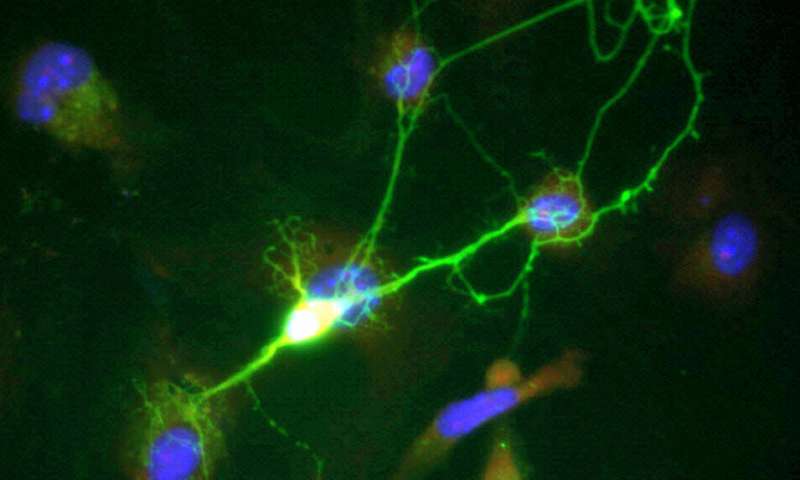
Scientists at the University of Queensland unveiled a novel imaging platform capable of following single disease‑related proteins within living neurons, a capability poised to speed up the initial phases of drug development for Alzheimer’s and Parkinson’s diseases.
Named NASTIC (Nanoscale Spatiotemporal Indexing Clustering), the platform merges super‑resolution microscopy with sophisticated computational indexing to chart the real‑time motion and interactions of individual protein molecules. By giving each protein its own spatiotemporal fingerprint, researchers can watch these entities cluster, spread out, or alter shape inside the intricate milieu of an active brain cell.
Since numerous neurodegenerative conditions stem from the misfolding and aggregation of particular proteins—beta‑amyloid and tau in Alzheimer’s, alpha‑synuclein in Parkinson’s—being able to observe these mechanisms unfold within a living neuron offers a direct glimpse of the earliest pathological steps. The tool lets investigators evaluate how prospective compounds influence protein behavior, delivering a physiologically pertinent read‑out compared with conventional biochemical assays that depend on isolated proteins or fixed tissue.
This innovation emerges as the drug pipeline for brain disorders grapples with high attrition rates, often blamed on the challenge of translating results from cell cultures or animal models to humans. By maintaining the native cellular context, NASTIC aims to cut down false leads and concentrate efforts on compounds that truly alter protein dynamics in the relevant setting.
Researchers at the University of Queensland intend to share the platform with collaborating laboratories worldwide and have already teamed up with biotech companies to embed NASTIC into high‑throughput screening pipelines. If the integration succeeds, the method could trim the gap between target validation and pre‑clinical testing, raising optimism for a quicker rollout of effective treatments to patients confronting neurodegenerative diseases.


Comments (0)
Be the first to comment.
Join the discussion