UN Climate Leader Alerts that Rising Heat Endangers Expectant Mothers and Infants
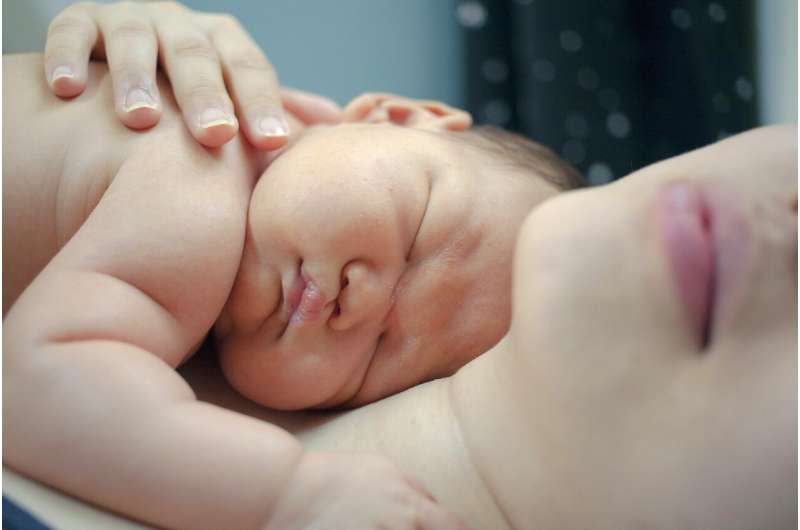
Simon Stiell, the United Nations’ climate chief, will deliver an official alert on Monday concerning the increasing threat that escalating temperatures present to pregnant women and their newborns, noting that heat stress is turning into a public‑health crisis across numerous regions.
Researchers have recorded a continual uptick in both how often and how severe heatwaves become globally, a pattern tied to the accelerating effects of climate change. Urban areas that previously saw only occasional swelters are now coping with extended stretches of extreme heat, taxing health services and infrastructure.
Elevated ambient heat places a marked physiological burden on pregnant women, whose bodies are already expending extra effort to maintain core temperature and nurture fetal growth. Extreme warmth can cause dehydration, raise heart rate, and, in serious instances, trigger complications like preterm labor. Infants share this susceptibility, as their limited thermoregulation makes them prone to overheating and associated ailments.
Health bodies such as the World Health Organization have consistently recommended that pregnant people keep hydrated, steer clear of intense exertion during the hottest parts of the day, and find cooler spaces whenever feasible. Numerous cities have set up cooling centers and community shelters for relief, yet availability is uneven, especially in low‑income districts.
This alert highlights a wider obstacle for public‑health strategy amid shifting climate patterns. Areas already facing scarce medical resources could find safeguarding vulnerable groups increasingly difficult without focused measures like heat‑sensitive prenatal care guidelines and broadened outreach initiatives.
Stiell’s forthcoming remarks are anticipated to urge both swift protective steps and sustained climate action. Incorporating heat‑risk evaluations into maternal‑health policies and hastening mitigation strategies, the UN seeks to curb the forecasted increase in heat‑linked complications for mothers and babies over the coming decades.


Comments (0)
Be the first to comment.
Join the discussion