ULA’s First Vulcan Launch Ends in Failure, Destroying 40 Amazon Kuiper Satellites
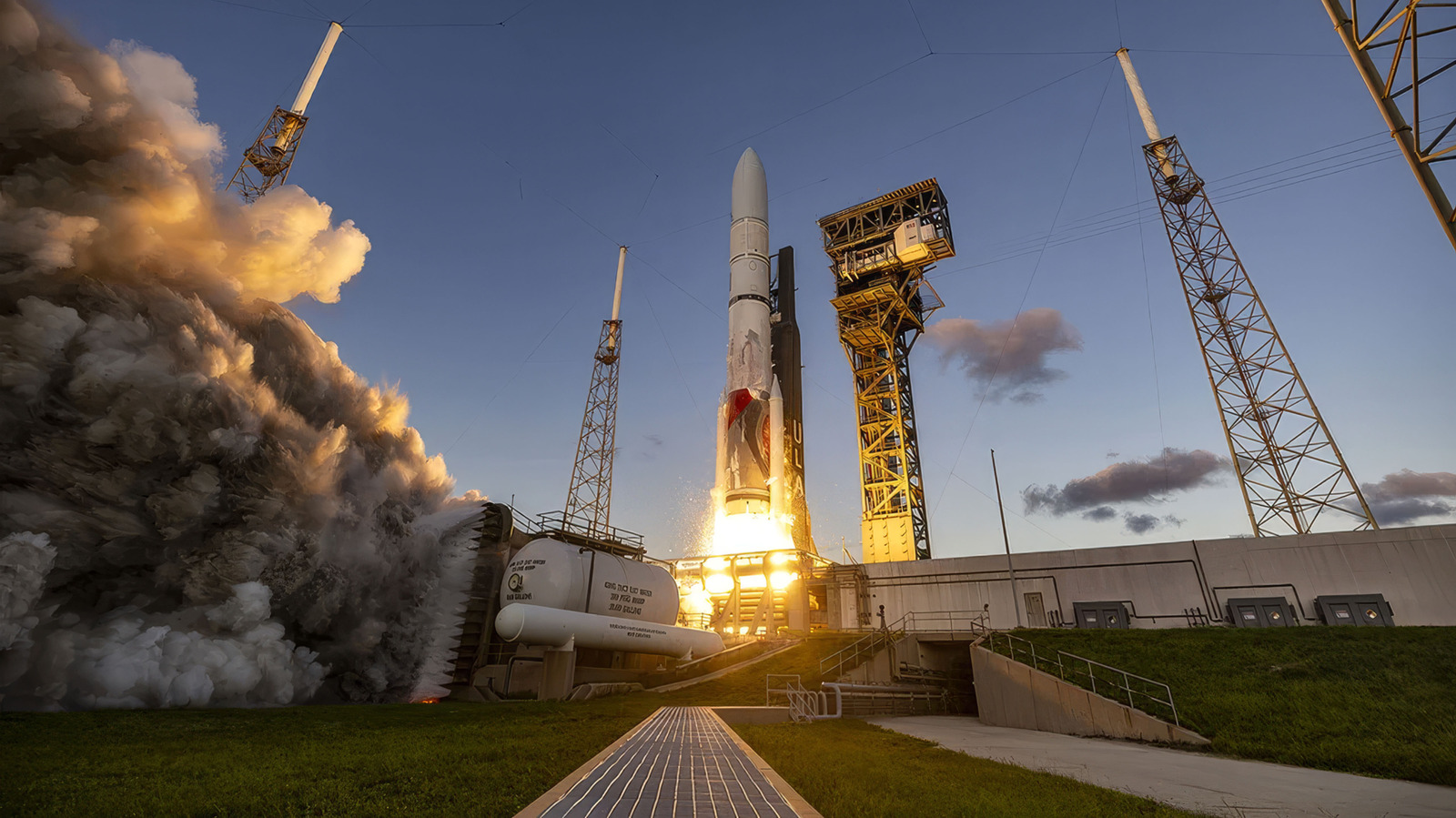
The debut flight of United Launch Alliance’s next‑generation Vulcan rocket ended in catastrophe, wiping out the 40 low‑Earth‑orbit satellites Amazon was carrying for its broadband constellation. The incident unfolded on the vehicle’s maiden ascent, a sharp departure from ULA’s historic record of dependability with its Atlas V workhorse.
Liftoff from Cape Canaveral was meant to showcase Vulcan’s revamped design and insert Amazon’s LEO payloads into their assigned orbit. Within moments of launch, telemetry showed an irregularity that caused the rocket to break apart, carrying the full complement of satellites down with it.
Vulcan is ULA’s attempt to supplant both the Atlas V and Delta IV lines with one more economical vehicle that uses contemporary engines and reusability ideas. While the firm has promoted the rocket as a “next‑generation” platform suited for commercial and national‑security missions, the failure highlights the technical hurdles that accompany the rollout of a brand‑new launch system.
Amazon’s satellite initiative, known as Project Kuiper, seeks to launch a fleet of low‑Earth‑orbit satellites that will provide high‑speed internet to underserved areas across the globe. The 40 satellites lost in the crash belonged to a staged deployment plan intended to speed up the network’s build‑out. Their destruction will push back the schedule for expanding service and could impact Amazon’s standing relative to competing constellations.
Analysts point out that failures of this scale usually set off detailed investigations, insurance payouts, and adjustments to timelines. ULA and Amazon have both put their risk‑mitigation measures into action, and insurers are anticipated to shoulder a large share of the hardware expense. The episode also casts doubt on the Vulcan’s preparedness for forthcoming government and commercial flights.
ULA has vowed to conduct an open investigation into the mishap, underscoring its dedication to safety and dependability. It intends to perform an exhaustive assessment of the rocket’s propulsion and guidance systems before arranging another launch. Observers will be keen to gauge how swiftly the company can rebuild trust in Vulcan and return to its position as a pillar of U.S. launch capability.



Comments (0)
Be the first to comment.
Join the discussion