UK Vendor Offers 128‑Core HP Server for $700, Delivering Enterprise‑Level Power at a Fraction of Original Cost
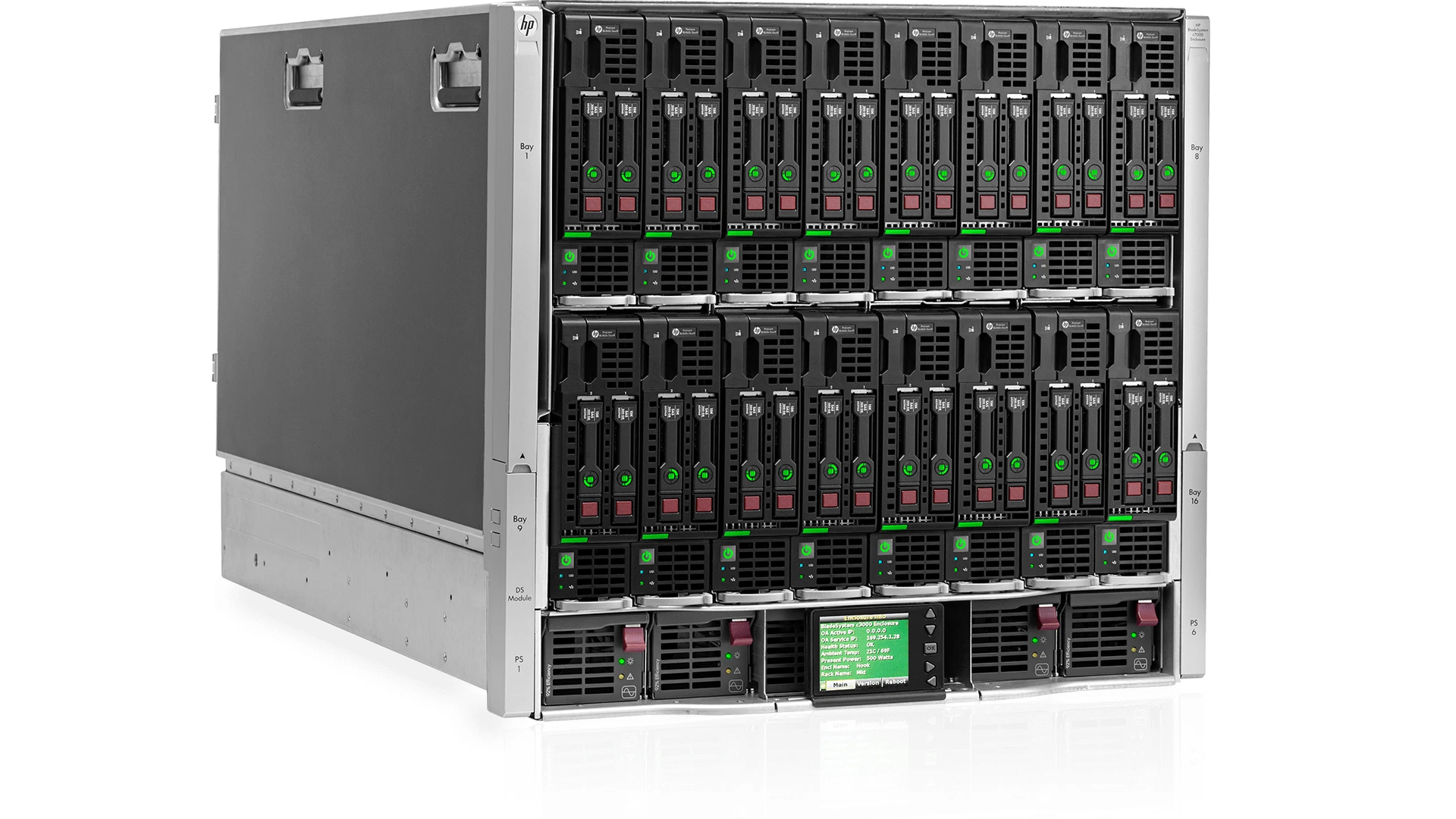
A UK reseller known as NomadUK has listed a heavily equipped HP C7000 blade server for just $700, a stark contrast to its original price tag that tops $4,000. The advertisement showcases a setup featuring sixteen Intel Xeon CPUs, amounting to 128 cores and 256 threads, together with a hefty 1 TB of DDR3 RAM.
The C7000 chassis, originally promoted as a high‑density solution for enterprise data centres, accommodates sixteen separate blades. Each blade carries an eight‑core Xeon processor, contributing to the total core count. According to the seller, the aggregated 1 TB memory pool makes this system one of the most memory‑dense options currently available on the secondary market.
Such a deep discount is rare even in the used‑hardware arena, where older servers usually sell for a modest fraction of their new‑price but seldom at just a tenth of that value. Analysts suggest the price gap likely reflects the platform’s age, the shift from DDR3 to newer memory technologies, and the possible expense of supporting legacy equipment. Nevertheless, the sheer compute power and memory capacity could appeal to niche purchasers such as research laboratories, hobbyist clusters, or small companies looking to experiment with high‑performance tasks without a large capital investment.
Intel’s Xeon family, while no longer at the forefront of technology, still enjoys a reputation for reliability and for supporting server‑grade features like ECC memory and advanced virtualization. The sixteen‑CPU arrangement supplies ample parallelism for demanding workloads—scientific simulations, large‑scale rendering, or extensive virtual environments—provided the surrounding infrastructure—power, cooling and networking—can accommodate the chassis.
Industry watchers note that the resale of such dense configurations highlights a broader trend: a growing market for refurbished enterprise gear as firms aim to prolong the life of older assets. Although the server’s performance will fall short of modern systems built on newer silicon, its price point presents an attractive entry for users willing to accept higher power draw and older I/O standards. Prospective buyers will need to balance the upfront savings against ongoing operational costs and the effort required to integrate the unit into today’s data‑center environments.



Comments (0)
Be the first to comment.
Join the discussion