UAE and Saudi Arabia Responsible for 50% of Gulf Cyberattacks in First Half of 2026
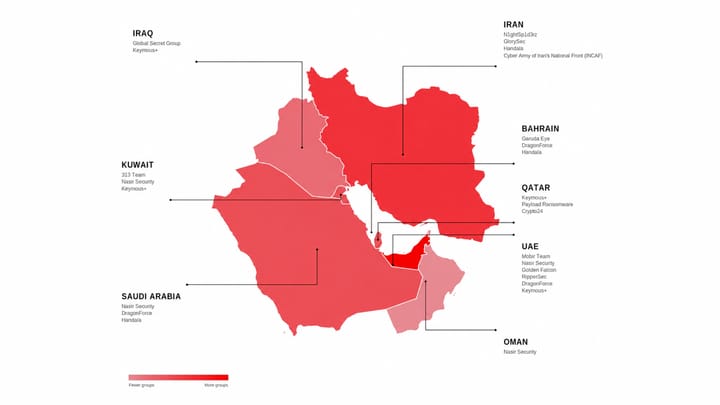
According to Dark Reading, the United Arab Emirates and the Kingdom of Saudi Arabia accounted for half of every cyber incident recorded in the Gulf during the first six months of 2026, highlighting an increasing focus of digital threats on the peninsula.
In recent years, both economies have sped up digital transformation, adopting cloud services, smart‑city infrastructures and automated oil‑and‑gas systems. This swift modernization has improved efficiency but also widened the attack surface for malicious actors aiming at high‑value assets and data.
Analysts observe that Gulf‑focused attacks have grown considerably more sophisticated. Instead of basic phishing attempts, threat groups now launch multi‑vector operations that blend zero‑day exploits, supply‑chain breaches and ransomware payloads crafted to bypass conventional security solutions. Such intricacy points to well‑funded actors, potentially state‑sponsored, capable of customizing tactics to the region’s unique infrastructure.
Both governments have reacted by bolstering cybersecurity efforts. Measures encompass creating joint cyber‑defense centers, allocating more funds for threat‑intelligence sharing, and tightening regulatory obligations for operators of critical infrastructure. Private‑sector collaborators are likewise urged to implement advanced detection solutions and carry out routine red‑team drills to assess resilience.
Looking forward, experts warn that the upward trajectory of attacks is unlikely to subside without ongoing cooperation. Regional coordination, investment in a skilled cyber workforce, and the deployment of emerging defensive technologies will be essential to curb future risks and safeguard the Gulf’s economic lifelines.



Comments (0)
Be the first to comment.
Join the discussion