U.S. Oil and Gas Methane Emissions Hold Steady Despite Production Increase, Study Shows
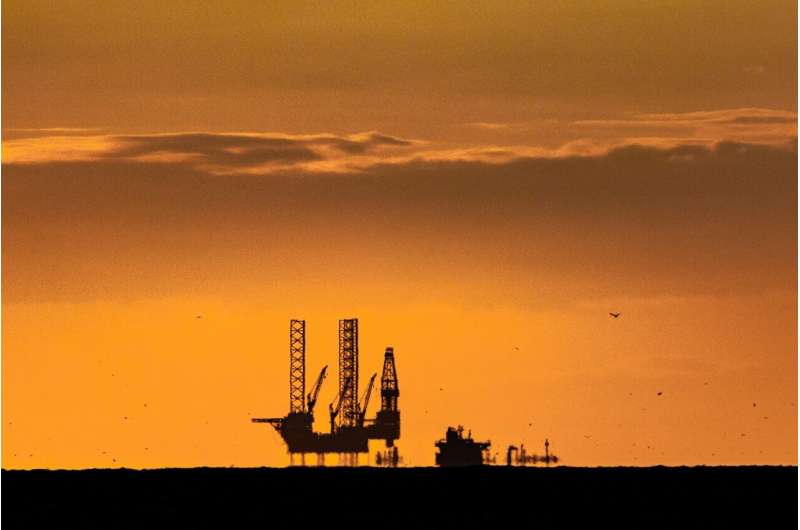
A recent study conducted by Johns Hopkins University indicates that methane output from the U.S. oil and gas industry stayed flat during the latest reporting interval, even though total oil and natural‑gas production rose noticeably.
Evaluating emissions figures gathered amid heightened regulatory oversight, the researchers discovered that the overall methane released into the air stayed roughly unchanged. This steadiness, set against growing production volumes, points to recent policy actions possibly limiting the gas despite expanding extraction.
Methane, which is roughly 28 times more effective than carbon dioxide at trapping heat over a century, remains a key concern for climate policymakers given its large share of U.S. emissions. In response, federal and state bodies have rolled out stricter leak‑detection mandates, tighter venting regulations, and incentives aimed at capturing otherwise vented gas.
While industry spokespeople claim that rising production inevitably drives up emissions, the Johns Hopkins results suggest that adherence to newer standards may be counterbalancing that effect. The analysis does not single out any one rule for the flat emissions, but it underscores the combined impact of recent measures such as the EPA’s revised methane regulations and state‑driven programs aimed at high‑risk locations.
Environmental organizations have praised the findings as proof that focused regulation can yield climate gains while allowing energy projects to proceed. Nonetheless, they warn that preserving this balance will demand ongoing enforcement and perhaps stricter rules, particularly as the United States strives to honor its Paris Agreement obligations.
Experts point out that the forthcoming task is to track if the emission plateau holds as output keeps rising and as firms implement new tools like infrared imaging and automated leak‑repair technologies. Should methane levels stay steady, the industry could become a benchmark for reconciling energy demand with climate goals; a rise would likely prompt regulators to reassess the current framework.


Comments (0)
Be the first to comment.
Join the discussion