U.S. Army seeks about 100 new drone pilots to strengthen homeland defense
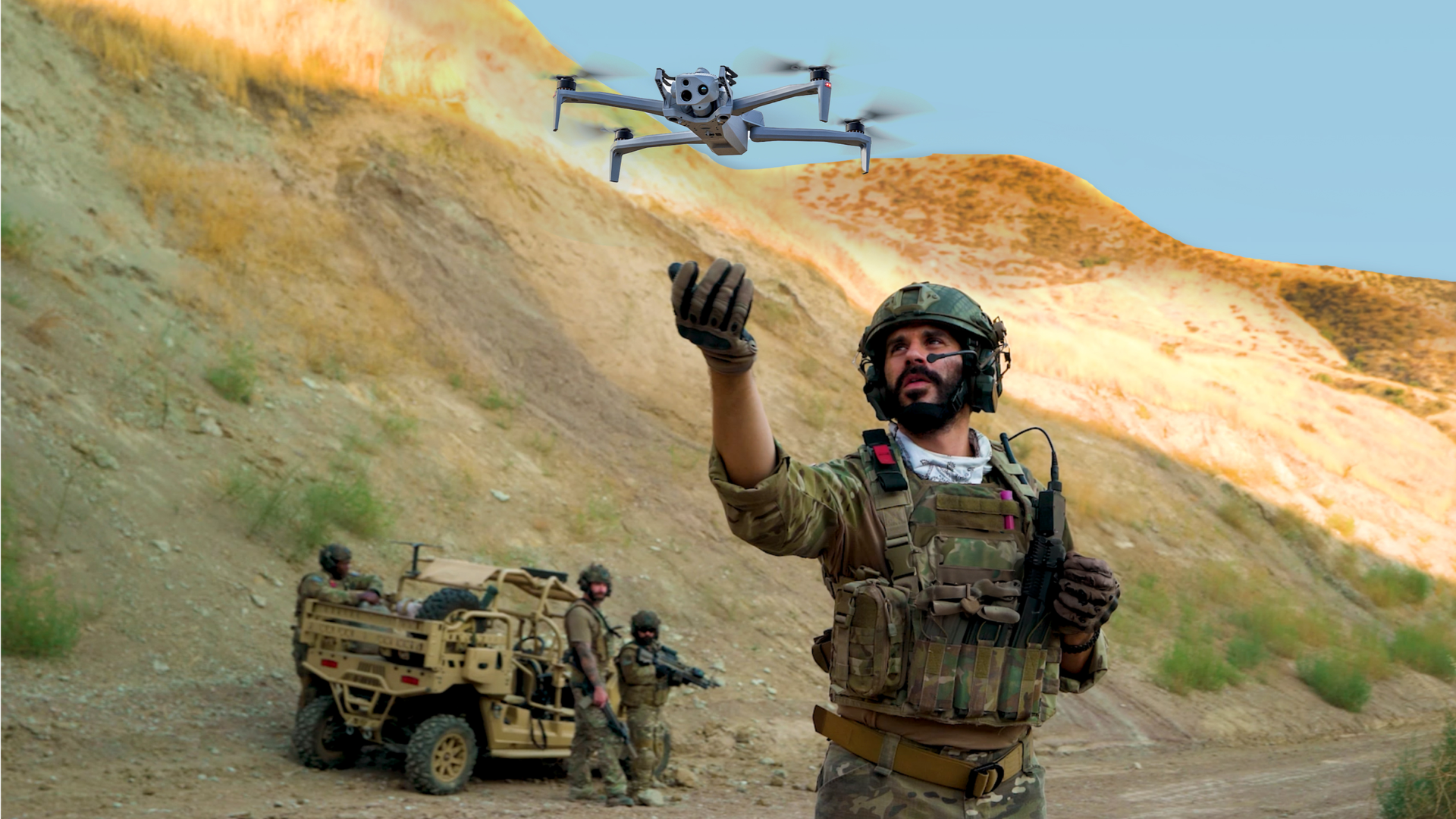
The United States Army has kicked off a recruiting effort to bring roughly a hundred additional drone pilots into its force, a step linked to the Gauntlet III program intended to enhance domestic security capabilities.
The Army notes that, unlike most specialty tracks, these positions are available to any enlisted or officer‑rank soldier, even those without previous unmanned‑aircraft experience. Selected personnel will undergo thorough instruction that includes introductory flight skills as well as sophisticated mission‑planning, enabling a rapid growth in the number of capable operators.
This push falls under a broader $1.1 billion allocation dedicated to the Pentagon’s drone‑modernization plan. The budget finances not just the hiring of personnel but also purchases of fresh airframes, sensor suites, and the formulation of tactics that blend unmanned systems with traditional units.
Unmanned aircraft now form a core component of U.S. defense, delivering continuous surveillance, swift reaction to new threats, and an economical way to collect intelligence. With home‑front events—ranging from natural catastrophes to illicit aerial breaches—becoming more intricate, the Army aims to integrate these abilities deeper into its domestic missions.
Gauntlet III expands on prior test phases that examined the deployment of compact, agile drones alongside infantry. The newest version stresses field‑based trials, gathering feedback from pilots on aspects such as endurance and data‑link protection, with the aim of shaping future Army UAV doctrine.
The scheme provides service members a route into a fast‑growing sector of military tech. Participants will acquire practical experience with state‑of‑the‑art systems, which could lead to subsequent roles in cyber, intelligence, or joint‑service drone formations.
Service members who wish to apply may do so through their chain of command or the Army’s internal recruitment website, where a short questionnaire assesses eligibility and arranges initial briefings. The Army says the selection will be continuous, with training batches launching once enough candidates are gathered.
Experts interpret the hiring push as an indication that the Army plans to keep unmanned assets central to its home‑defense strategy. Should the pilot cadre grow as targeted, the service could speed up the use of drone‑based options for border monitoring, disaster response, and counter‑UAS missions, weaving these tools more tightly into routine readiness.



Comments (0)
Be the first to comment.
Join the discussion