U.S. and Russia Study Nuclear-Powered Data Centers Despite Continuing Sanctions
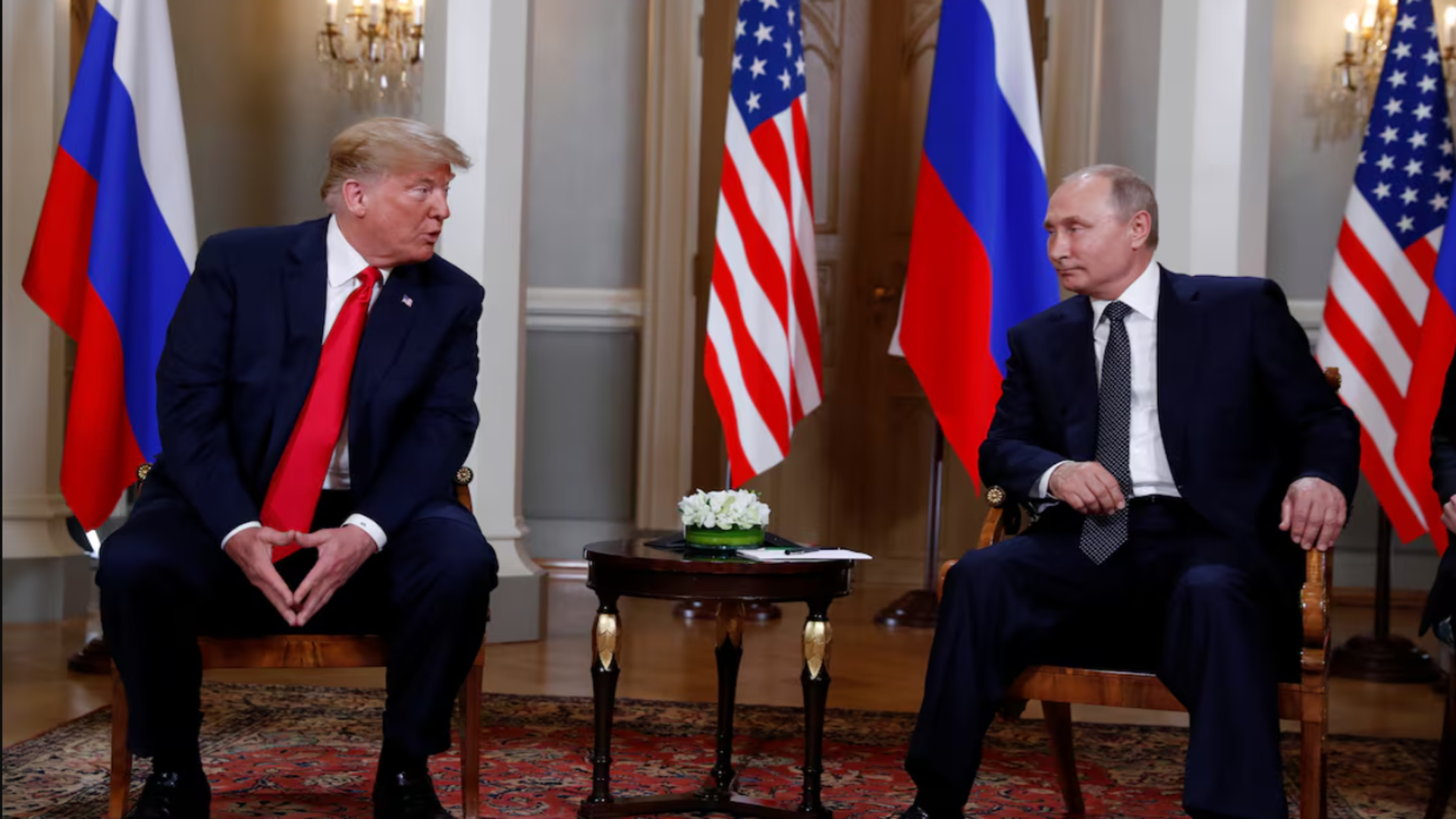
The United States and Russia disclosed a collaborative effort to study small nuclear reactors as power sources for data centers, representing an uncommon bout of technical cooperation amid prevailing economic sanctions.
Both governments indicated the venture will aim to create compact, low‑output reactors suitable for placement adjacent to major computing sites, which could lessen the huge electricity consumption that presently forces data‑center operators to turn to costly grid supply or renewable options.
Talks on the project have proceeded in parallel with other economic discussions, such as a newly signed contract for Russian diesel fuel exports that Kremlin officials called a foothold for wider commercial interaction. The Russian envoy pointed to the diesel agreement as proof that "economic dialogue remains possible even in a constrained environment."
U.S. officials stressed that any joint work will have to comply with rigorous non‑proliferation safeguards and export‑control rules. The Department of Energy’s Office of Nuclear Energy noted that the effort fits within its wider focus on small modular reactors (SMRs), praised for their adaptability, reduced initial expense, and ability to serve remote or high‑demand energy consumers.
Russia’s state nuclear firm Rosatom contributes decades of experience in designing and building reactors for civilian electricity and niche uses. Analysts observe that Russia’s background with mobile and maritime nuclear units may guide the creation of land‑based reactors tailored to data centers, even as technical hurdles like waste handling and grid integration stay substantial.
Although the alliance shows a readiness to probe specialized fields of shared advantage, specialists warn that the wider geopolitical setting—especially sanctions tied to Russia’s conduct in Ukraine—could restrict the breadth and pace of any joint progress. The project’s results might establish a model for future modest collaborations in high‑tech arenas, yet its viability will probably hinge on overcoming regulatory obstacles and adhering to global non‑proliferation standards.



Comments (0)
Be the first to comment.
Join the discussion