TSA Alerts Travelers: Five Everyday Devices That May Prompt Extra Screening
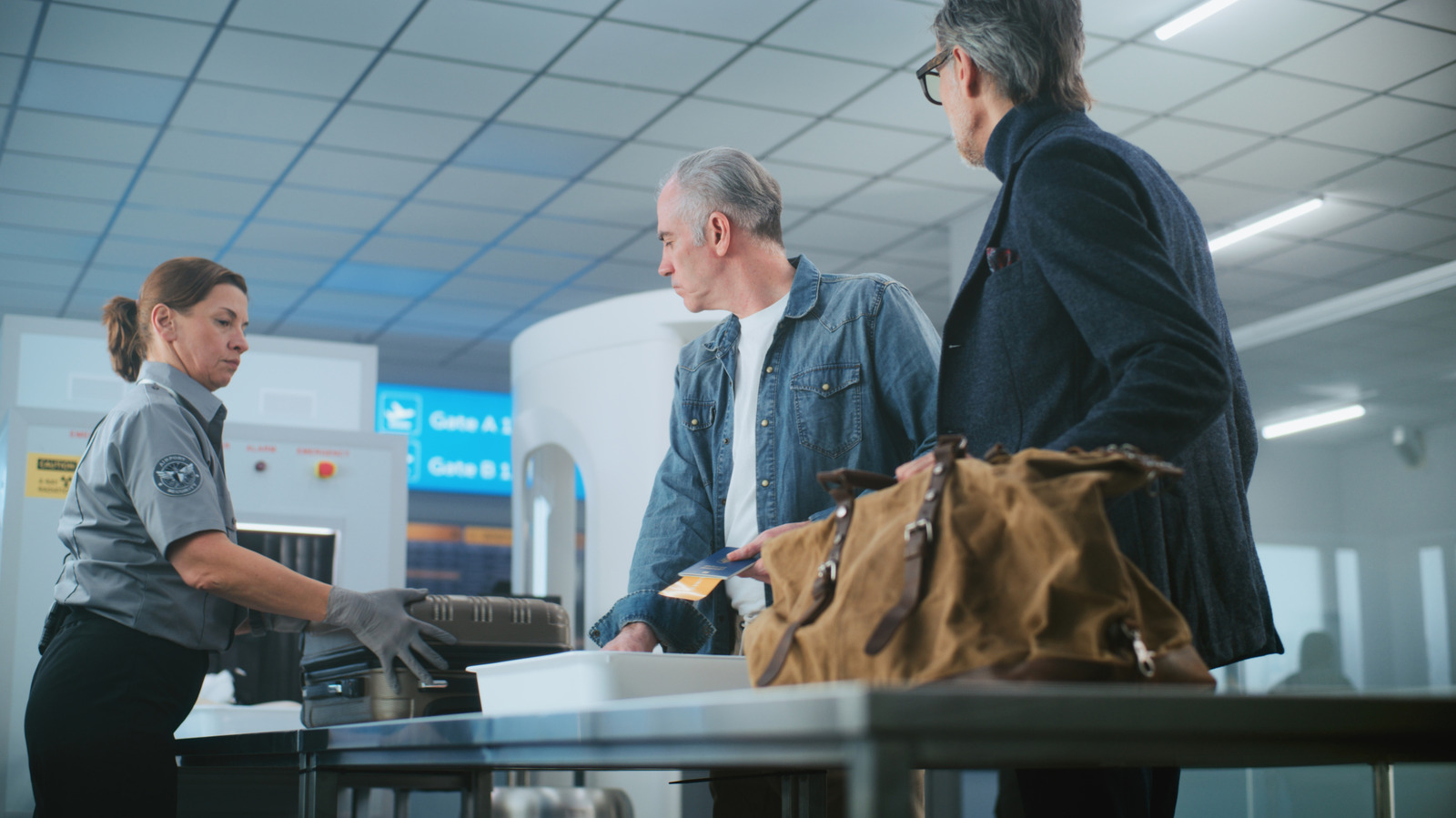
The Transportation Security Administration says five common electronic gadgets are prone to trigger extra screening at airport checkpoints, underscoring that ordinary devices can still cause travel delays.
The items most often singled out include spare lithium‑ion batteries, high‑capacity power banks, e‑cigarettes or vaping pens, external hard drives exceeding a few terabytes, and wearable technology like smart watches with removable batteries. All of these possess traits that raise safety or security alarms for screeners.
Lithium‑ion cells are valued for high energy density yet can become fire risks when short‑circuited or damaged. Consequently, the TSA mandates that loose batteries remain in their original packaging or be otherwise insulated, and it caps the watt‑hour rating of power banks allowed in the cabin. Vaping devices, despite their popularity, are handled as standard electronic cigarettes and must reside in a carry‑on, with liquid refills examined separately.
External hard drives—particularly models with several platters or large capacities—can look suspicious on X‑ray scanners due to their dense metal parts. Wearable gadgets that feature removable batteries follow the same guidelines as spare cells: the battery must be detached from the device and shielded from accidental metal contact.
Passengers can lower the chance of a secondary check by grouping batteries, employing protective battery cases, and making sure every device is completely powered down before the checkpoint. Storing items in clear, resealable bags and having documentation—like a battery specification sheet—readily available also assists officers in swiftly confirming compliance.
The increased scrutiny of electronics mirrors a larger pattern: as personal technology becomes ever more woven into everyday life, the volume of such items moving through security lanes has risen sharply. Although the TSA does not release precise statistics, industry analysts observe a consistent uptick in cases of overheating batteries and efforts to hide forbidden materials inside electronic housings.
Travelers facing extra screening should anticipate a short wait while officers perform a manual check or employ handheld detectors. Typically, this adds merely a few minutes to the total screening duration, though repeated triggers can cause longer queues during busy travel times.
Going forward, the agency has indicated it will keep updating its rules as battery technology advances. Travelers are urged to consult the newest TSA guidance on the official website before each journey to confirm their gadgets meet current standards and to prevent needless delays.


Comments (0)
Be the first to comment.
Join the discussion