Travelers Alerted: Dangers of Using Airport USB Ports for iPhone Charging
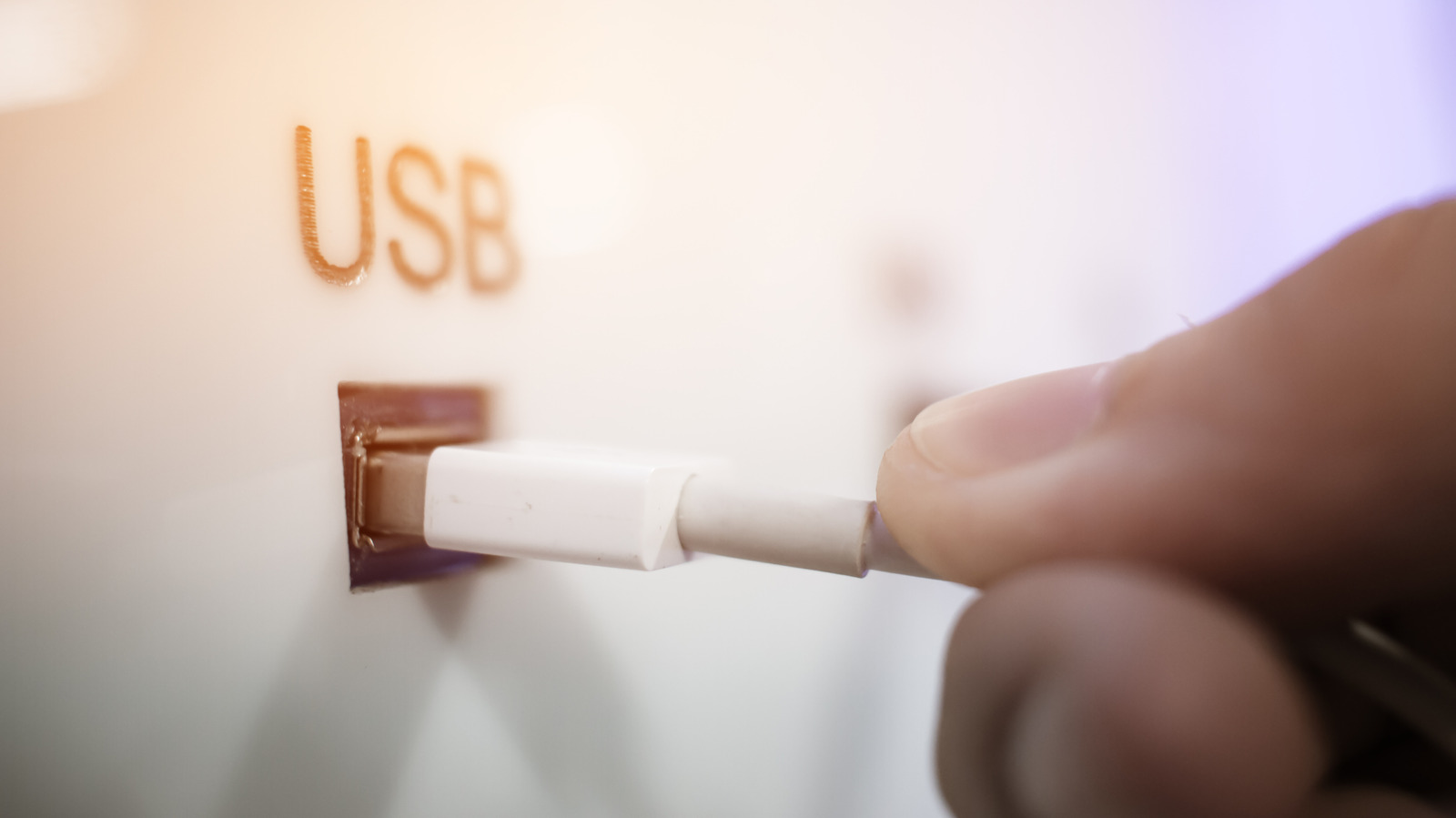
Plugging an iPhone into a public USB port at an airport isn’t inherently hazardous, yet security specialists warn that it presents a modest yet genuine danger many travelers ignore.
While public USB hubs are handy, they expose gadgets to two primary threats. One, a tampered port might supply uneven voltage or current surges that strain a phone’s battery or internal components. Two, the data wires in a typical USB cable can be exploited to siphon data or install malware on a compromised port—a situation often dubbed "juice jacking."
Apple’s hardware incorporates innate protections that cap power draw and halt charging when irregularities arise, reducing the chance of physical damage. Nonetheless, these defenses don’t sever the data link, so a rogue charger could still try to read from or write to the device.
Travelers attuned to security can lessen the danger with a handful of easy practices. Plugging a personal charger into a wall socket removes reliance on public USB ports entirely. When a wall outlet isn’t accessible, a USB‑only cable or a "data blocker"—a small adapter that disables data pins while still passing power—offers an inexpensive shield against data theft. Keeping a portable power bank on hand also supplies a self‑contained charging option that sidesteps any public equipment.
Airports around the globe are increasingly acknowledging the issue. Certain terminals now post warnings on charging stations, and an expanding list of airlines recommends that passengers carry their own charging gear. Still, the massive flow of travelers and the diversity of devices in circulation make continual vigilance crucial.
In summary, although the odds of a catastrophic malfunction from an airport USB port are low, the risk of data exposure is sufficient for experts to urge the use of personal charging equipment whenever feasible. By employing straightforward safeguards, travelers can keep their iPhones charged without sacrificing security.



Comments (0)
Be the first to comment.
Join the discussion