TP-Link Router Rollout in the U.S. Slowed by Ongoing China‑Separation Review
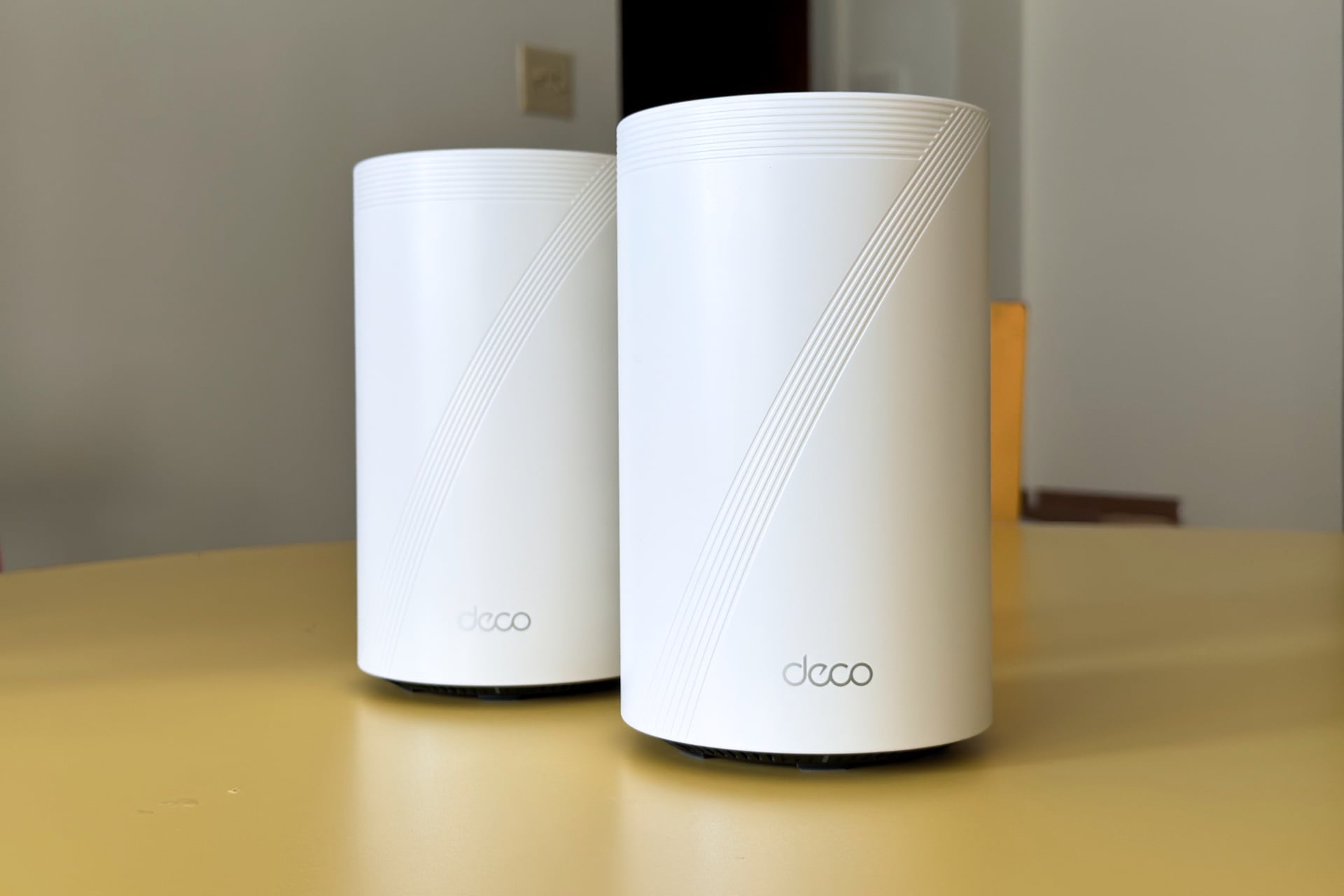
People hoping to buy a fresh TP-Link router in the U.S. should brace for a longer wait while the firm strives to prove it operates independently of China. Ongoing regulatory and security issues have put the launch of newer models on hold, and analysts caution that the postponement might last several months.
The problem arises from intensified examination of technology with Chinese roots after a series of U.S. government moves intended to curb possible espionage threats. Federal bodies are increasingly demanding that companies show their supply chains, design methods, and data‑handling practices are untouched by the Chinese government. TP-Link, a leading worldwide networking gear maker, has been asked to furnish detailed paperwork to meet these standards.
TP-Link publicly maintains that it has taken measures to detach its U.S. operations from its Chinese parent, such as setting up separate research and development centers and moving key manufacturing steps to other regions. Nonetheless, officials have signaled that the documentation supplied so far falls short of the clearance bar, leaving the firm in a limbo as it fine‑tunes its compliance approach.
The postponement impacts both residential and enterprise users who depend on TP-Link’s budget‑friendly Wi‑Fi routers and mesh networking products. Retailers note scant stock of the brand’s newest models, and some have started steering shoppers toward other vendors that have already cleared U.S. security assessments. This uncertainty also squeezes TP-Link’s share in a market that has surged thanks to remote work and smart‑home adoption.
Observers point out that this case mirrors a wider pattern of U.S. regulators tightening control over hardware that could be exploited for data collection or network disruption. Comparable actions have targeted other firms linked to China, triggering product recalls, bans, and stricter compliance demands. Companies that swiftly prove transparent supply chains and autonomous governance stand a better chance of regaining market entry.
Going forward, TP-Link’s return to sales hinges on its ability to deliver verifiable evidence of separation and satisfy ongoing audits by the Federal Communications Commission and other pertinent agencies. Until such approval is secured, U.S. shoppers may need to consider alternative brands for new networking gear, while the company continues to negotiate its route back into the market.



Comments (0)
Be the first to comment.
Join the discussion