Touchscreen Laptops vs. Tablets: Comparing the Advantages of Each Form Factor
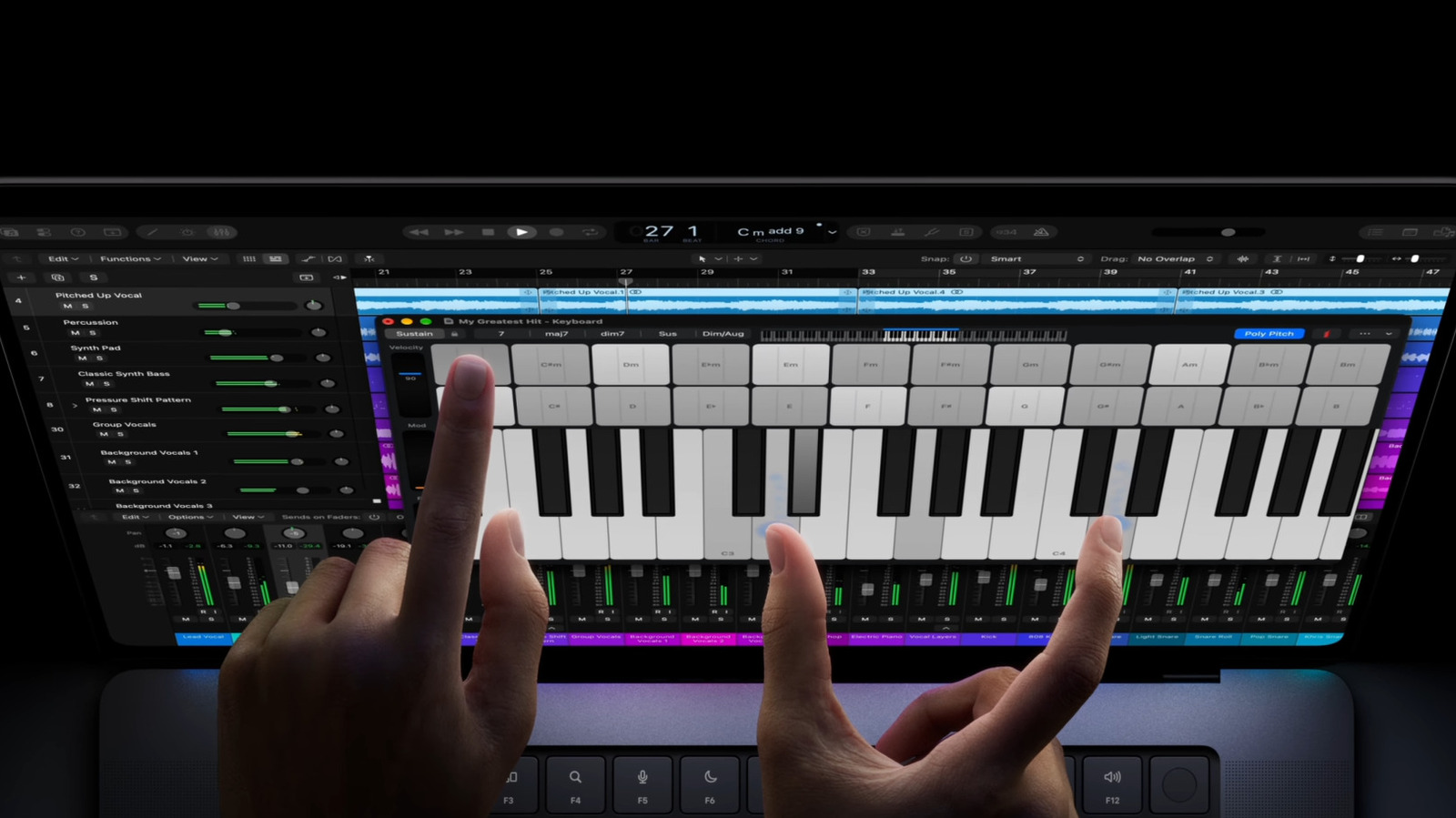
With users looking for gadgets that combine portability and work capability, the discussion about choosing a touchscreen laptop versus a dedicated tablet has intensified. Though both types now support touch, they serve different usage habits, leading buyers to wonder which option best matches their workflow.
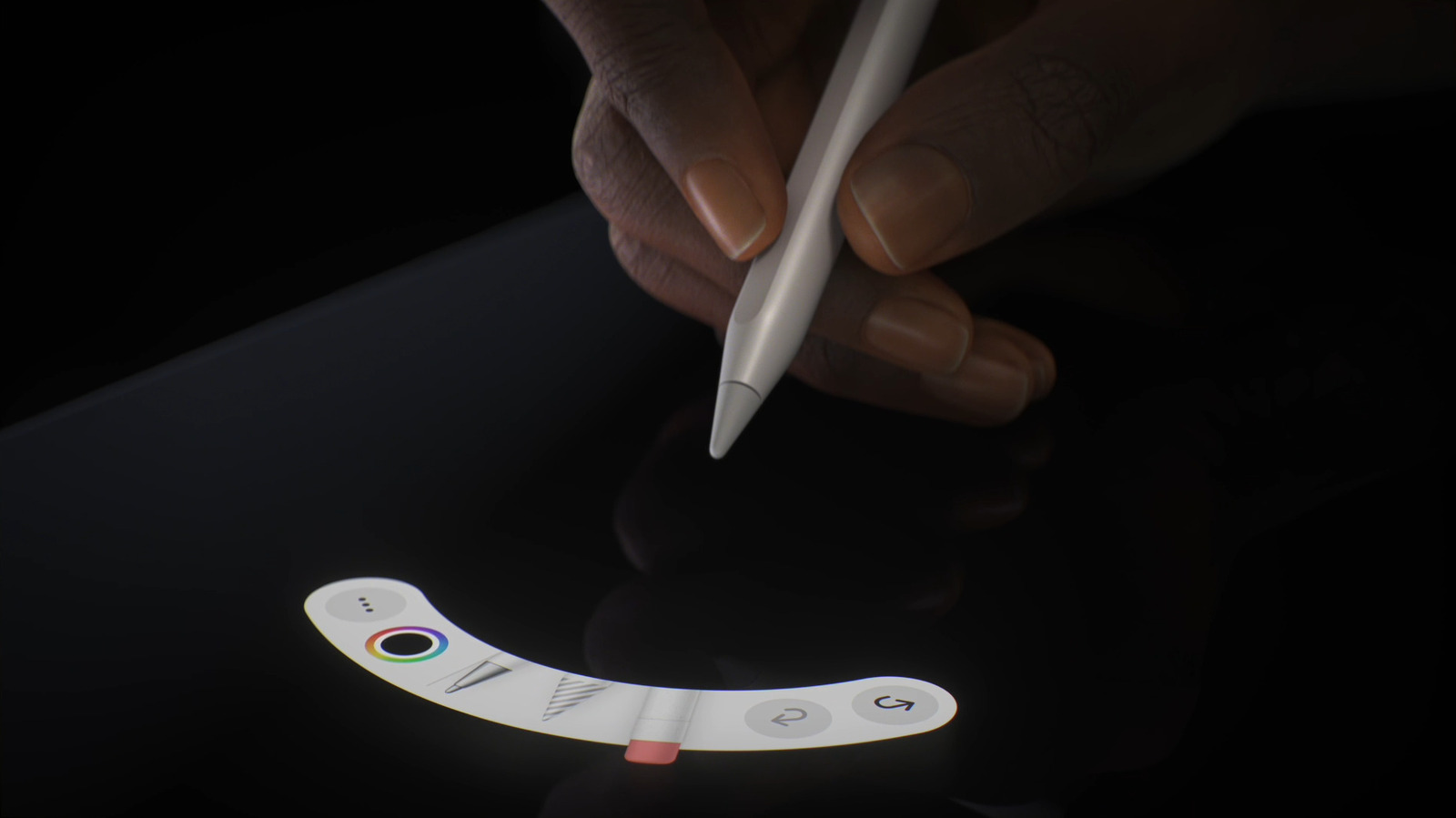
Tablets shine in situations where simplicity and direct interaction are paramount. Their slim profile, extended battery endurance, and touch‑centric operating systems render them perfect for streaming media, surfing the web, and gesture‑heavy applications. For learners and workers who mainly read, markup PDFs, or employ stylus‑compatible creative software, a tablet frequently provides the needed features with minimal hardware complexity.
In contrast, a touchscreen laptop combines the tactile benefits of a tablet with the comprehensive power of a conventional desktop OS. It grants users the same extensive software packages, the ability to juggle several windows, and connections to peripherals that tablets may miss. This blended model proves especially useful for professionals who must operate demanding programs—like code editors, spreadsheet tools, or design suites—while still enjoying direct screen interaction.
Ergonomics also play a role in the decision. Laptops come with an integrated keyboard and a steady platform, lessening fatigue from extended handheld handling. By rotating the display into tablet mode, the same machine can act as a drawing board or presentation device, delivering versatility that a standalone tablet lacks unless extra accessories are added.
Cost considerations also affect the choice. Premium tablets paired with high‑end accessories can near the price of a mid‑range touchscreen laptop, but the laptop typically includes a keyboard and trackpad, offering a fuller ready‑to‑use package. Shoppers need to decide if they favor the modular tablet ecosystem—where keyboards, stands and styluses are optional purchases—or the all‑in‑one setup of a convertible laptop.
Analysts predict the market will keep converging, as makers blur distinctions between the two formats. With software growing more touch‑responsive and hardware becoming slimmer, the split may depend less on shape and more on the particular tasks users plan to tackle. At present, purchasers should evaluate their core requirements—whether they favor casual, touch‑focused use or need the full horsepower of a laptop—to decide which device yields the greatest value.

Comments (0)
Be the first to comment.
Join the discussion