The Real Energy Consumption of Your Home Audio System
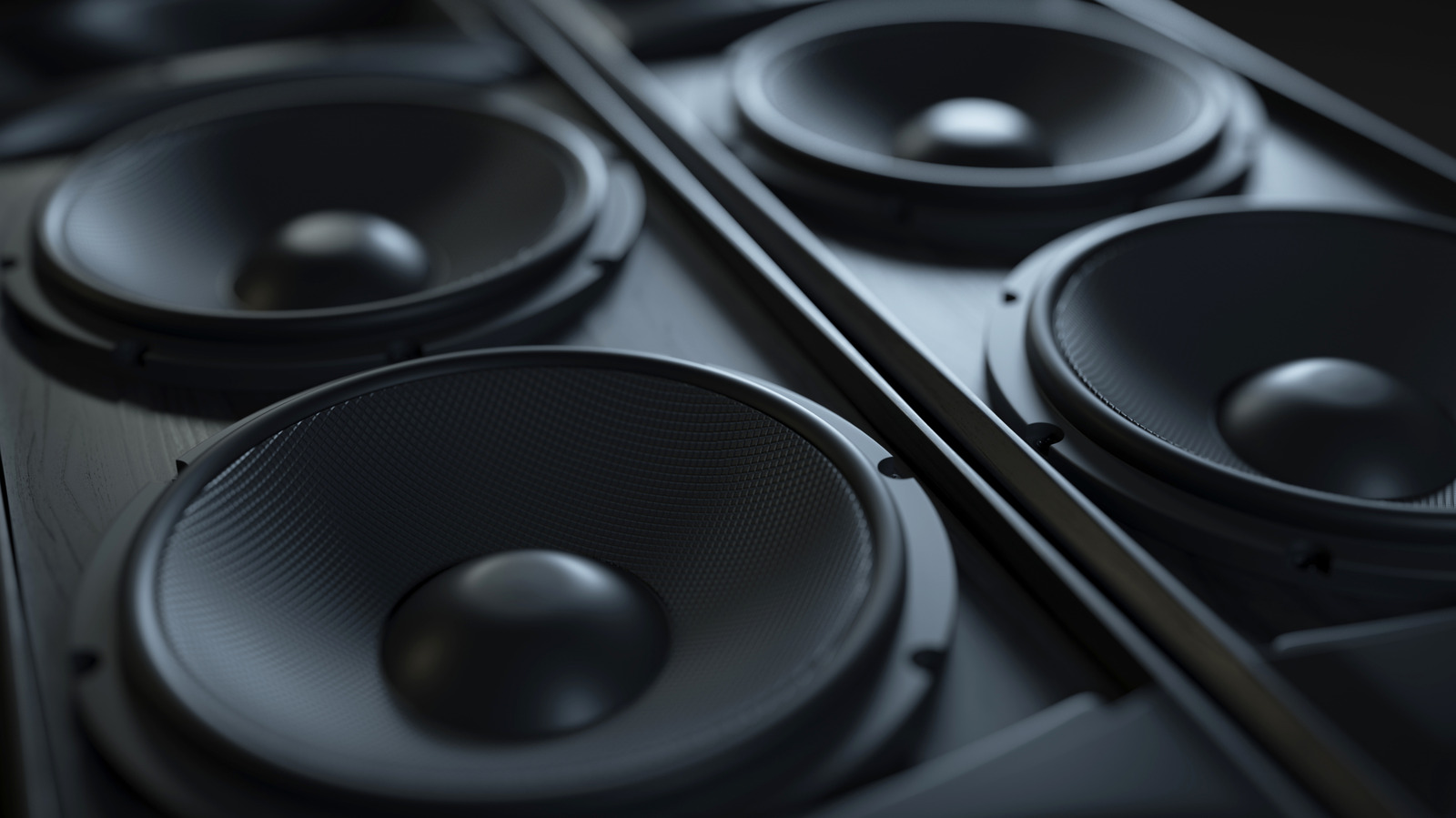
Installing a new sound system in the living room is a popular way to enhance home entertainment, but many owners forget to consider the electricity the components use and how it affects their monthly power bill.
A typical setup consists of a receiver or integrated amplifier, one or more speakers, a subwoofer and often a streaming or Bluetooth source. A modest stereo receiver may draw 30‑70 W while idle, rise to 100‑200 W during normal listening, and can surpass 500 W on high‑output models. Powered speakers and subwoofers usually contribute an additional 50‑300 W each, depending on size and output level.
To get an accurate reading, users can connect each piece of equipment to a portable power‑monitoring tool such as a Kill‑A‑Watt. The device shows instantaneous wattage, accumulated kilowatt‑hours and even estimates cost based on a user‑supplied rate. Measuring standby consumption is crucial, since many receivers still pull 5‑15 W even when switched off but left plugged in.
Imagine a common case: a receiver using 150 W, two bookshelf speakers each at 30 W, and a subwoofer drawing 120 W. Operating the system for two hours daily produces 300 Wh, or 0.30 kWh. At the U.S. average residential price of $0.13 per kWh, that equals about four cents per day, or roughly $15 annually. Adding a 10‑W standby load for eight hours contributes another 0.08 kWh each day, increasing the yearly total by about $4.
Several factors can shift these figures. Amplifier class is one: Class D designs reach efficiencies above 90 %, while older Class A/B units may lose roughly a third of the input power as heat. Louder listening levels raise speaker power demand, and low‑impedance speakers draw more current. Moreover, wireless streaming devices that stay linked to Wi‑Fi can add a constant low‑level draw.
Consumers aiming to minimize energy use can follow simple steps: power the system off completely instead of leaving it in standby, employ a switched power strip, and choose high‑efficiency Class D amplifiers. Matching speaker impedance to the amplifier’s specifications helps avoid unnecessary current draw. For households with solar panels or time‑of‑use rates, scheduling listening sessions during off‑peak periods can further cut costs.
As multi‑room and voice‑controlled audio become more common, manufacturers are adding smarter power‑management features that automatically mute or shut down idle zones. While a home audio system generally accounts for only a modest portion of a household’s total electricity use, knowing its consumption lets owners enjoy high‑quality sound without surprising utility bills.


Comments (0)
Be the first to comment.
Join the discussion