The Influence of Writing on the Speed of Cultural Change
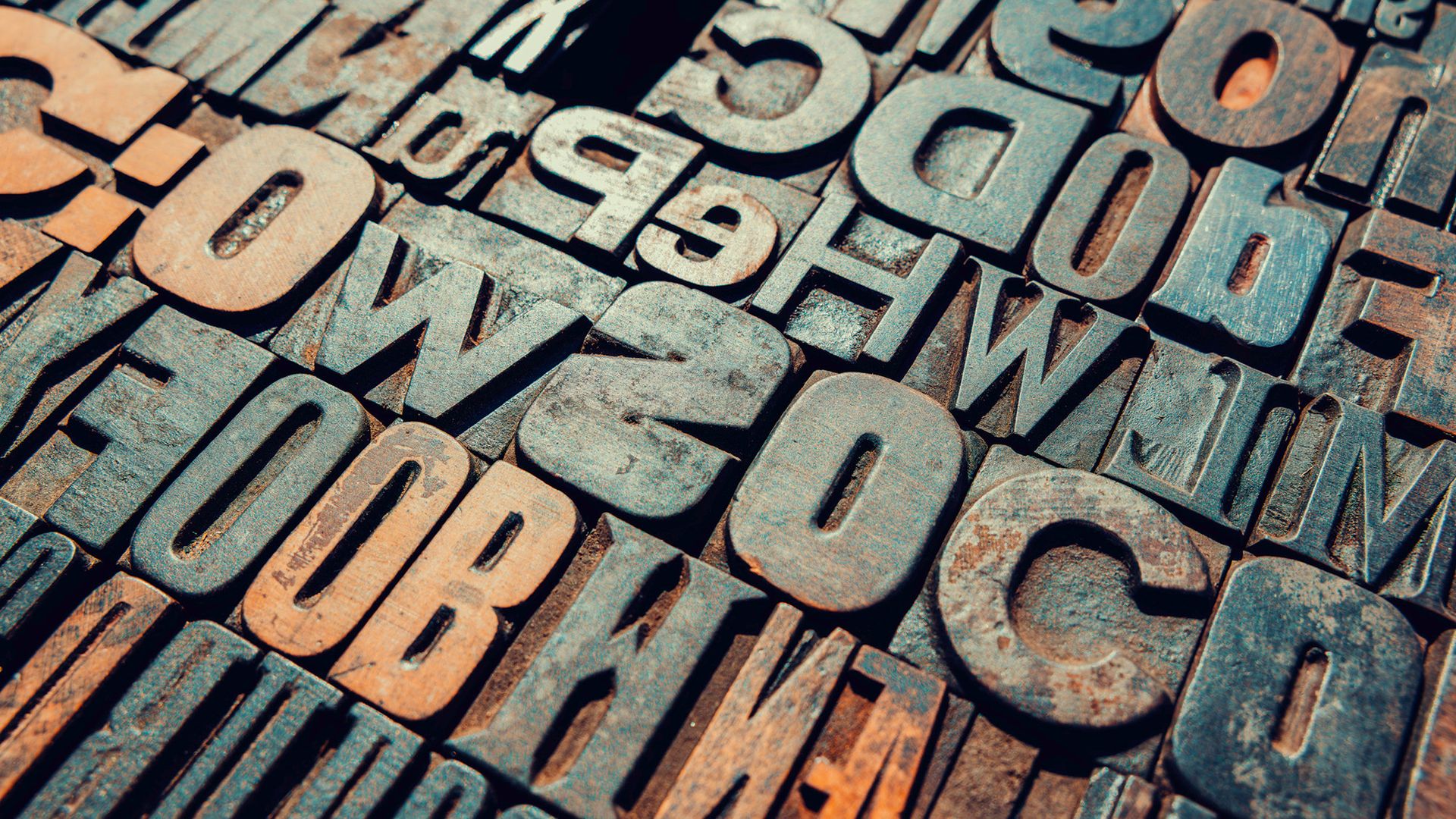
When writing was first developed, it shifted humanity from a culture of spoken storytelling to a civilization that could archive knowledge for posterity, leading scholars to wonder whether this medium speeds up or slows cultural evolution.
From the clay tablets of ancient Mesopotamia through printed books to today's digital displays, the capacity to capture thoughts has guaranteed that scientific equations, philosophical works, and artistic creations endure far beyond their authors' lifetimes. Absent such documentation, numerous advances in mathematics and physics would have been lost, forcing later societies to rediscover them.
That lasting record, however, can be a double‑edged sword. When an idea is fixed in text, it acquires a weight that can hinder reinterpretation. History offers cases where doctrines persisted in legal statutes or religious scriptures long after the original circumstances vanished, occasionally delaying the uptake of fresh viewpoints.
Contemporary observers point out that the transition from hand‑written manuscripts to mass‑produced books in the 15th century vastly broadened information access, fueling the Renaissance and the scientific revolution. Yet the swift circulation of printed pamphlets also reinforced dogmas, as dissenting opinions found it difficult to rival entrenched publications.
Digital media adds another dimension to the discussion. The internet enables immediate dissemination of research, supporting collaborative breakthroughs at an unprecedented pace. Conversely, the overwhelming amount of written material can generate echo chambers, amplifying dominant narratives while marginalizing alternative ideas.
Specialists argue that writing's influence on cultural shift is not simply positive or negative but depends on how societies balance preservation with openness. Educational policies, publishing conventions, and technological frameworks all shape whether the written word acts as an engine of innovation or a vault of obsolete concepts.
Looking forward, the continual transformation of text creation and consumption—via artificial intelligence, interactive platforms, and novel collaborative authorship—will likely remodel the mechanics of cultural change. The lingering question is whether these developments will accelerate adaptation or embed the next wave of ideas in an even more resilient digital stone?


Comments (0)
Be the first to comment.
Join the discussion