Surrey Pond Hits 17-Year Low, Spurring Urgent Calls to Prepare for Extreme Weather
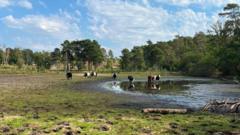
An official with the Surrey Wildlife Trust has sounded an alarm over the growing influence of severe weather, sparked by a striking ecological development. James Herd, a representative of the trust, noted that a specific pond has plunged to its lowest state since he began tracking it seventeen years ago.
This historic decline in water levels, unmatched for almost twenty years, stands as concrete proof of larger ecological changes. The extended periods of drought or lack of rain driving this depletion threaten to deeply affect regional biodiversity and the vitality of wetland habitats, which support a wide array of wildlife.
Alongside his observation, Herd issued a wider appeal, urging both the public and local communities to brace for increasingly frequent and severe weather anomalies. Whether experiencing prolonged dry spells, intense heat, or torrential downpours, these events present distinct hazards to both ecosystems and built environments.
These dramatic shifts in water resources pose a direct danger to the fauna dependent on these ecosystems, affecting creatures ranging from water-dwelling insects and frogs to birds and mammals relying on the pond for hydration. Persistent depletion of the water table can also disrupt plant life, risking the disappearance of unique flora and triggering a chain reaction across the local food chain.
Groups such as the Surrey Wildlife Trust are essential in tracking these ecological transformations and championing forward-looking conservation efforts. Beyond merely tracking metrics like pond depths, their mission includes raising community awareness about sustainability and the necessity of safeguarding natural habitats amidst shifting climate patterns.
Getting ready for severe weather, according to Herd, requires a multifaceted approach. This includes encouraging water-saving initiatives, designing robust landscapes that can withstand both dry spells and flooding, and educating local residents on climate resilience to lessen future disruptions.
The situation in Surrey, first detailed by BBC Science, highlights a growing anxiety shared by ecologists and conservation experts. It showcases the direct, observable outcomes of long-term climate trends, acting as a powerful warning that building resilience and preparing for the future are essential steps to protect the environment.


Comments (0)
Be the first to comment.
Join the discussion