Study Shows Over‑Heated Magma Drives Taller Lava Fountains
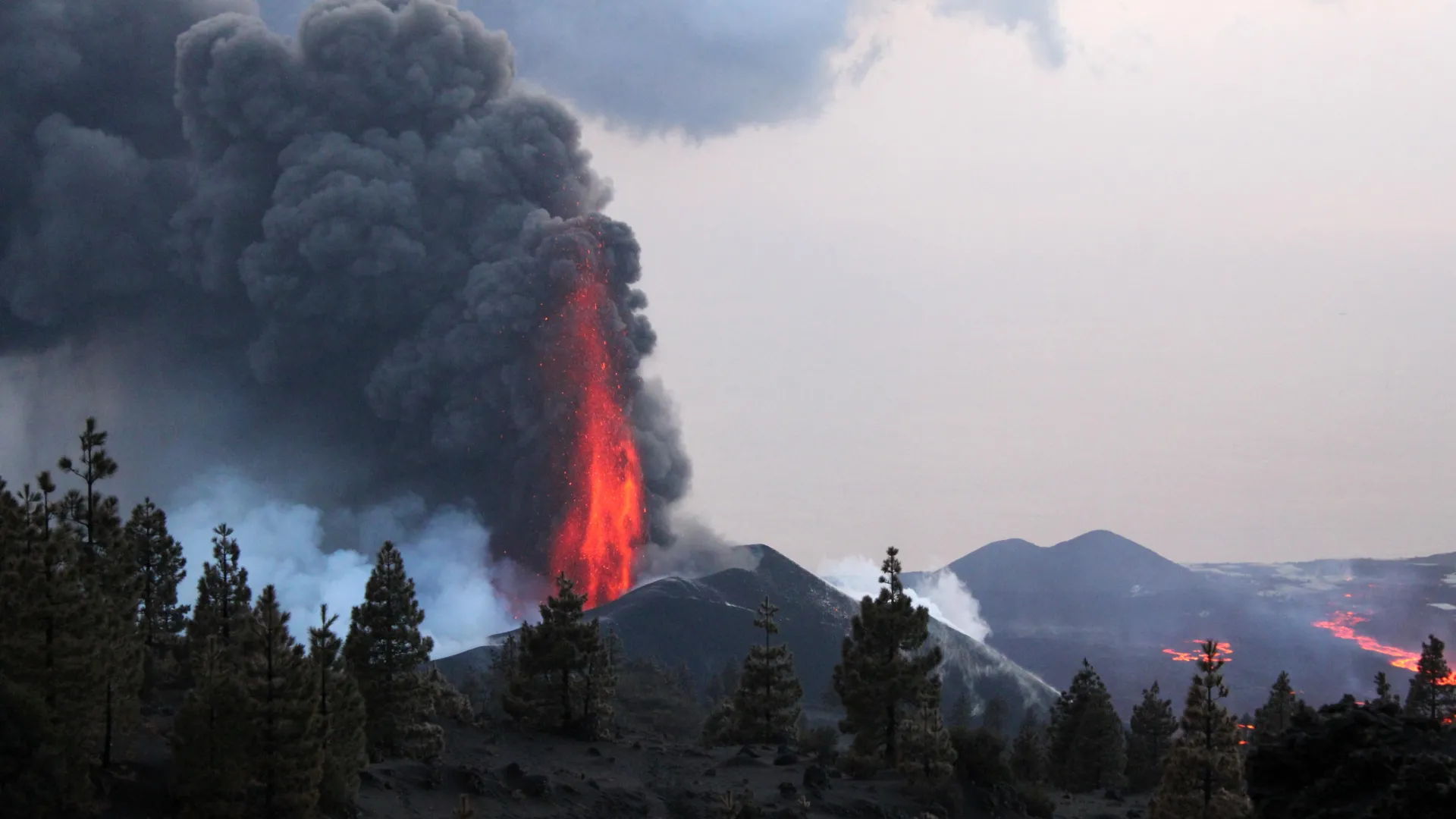
Laboratory experiments indicate that when magma is heated far above its typical liquidus temperature, crystallization is delayed, a mechanism that could account for why certain eruptions hurl lava tens of meters upward whereas others merely ooze down a volcano’s side.
Lava fountains stand out as dramatic displays in some eruptions, most famously on Hawaiian shield volcanoes and during occasional explosive episodes in Iceland and Japan. The identical magma chamber can generate vastly different eruption styles, leading researchers to investigate the concealed factors that dictate whether gas is released in a calm stream or a forceful blast.
Scientists reproduced magma environments with high‑temperature furnaces and synthetic silicate melts, raising the samples to temperatures considerably exceeding the usual onset of crystallization. In these superheated states, the melts stayed completely liquid for extended times, permitting dissolved volcanic gases to remain in solution instead of being captured by early‑forming crystals.
This postponement of crystallization turned out to be pivotal. In ordinary magma, crystals furnish surfaces that encourage gas exsolution, lowering the pressure that could otherwise drive a fountain. If crystal nucleation is delayed, a larger fraction of gas stays dissolved until the magma arrives at the surface, where the sudden pressure drop triggers explosive gas expansion, thrusting lava upward in high, coherent jets.
This mechanistic understanding introduces an additional factor for volcanic hazard evaluation. Tracking magma‑body temperatures—via seismic, geodetic, or remote‑sensing methods—might enable forecasters to gauge whether a forthcoming eruption will generate dangerous lava fountains or a calmer effusive flow.
The researchers emphasize that field validation is crucial. Upcoming studies will seek to record temperature and crystal abundance in active volcanic systems, incorporate the results into eruption‑type models, and sharpen predictive instruments capable of differentiating superheated magma reservoirs from cooler, crystal‑laden ones.


Comments (0)
Be the first to comment.
Join the discussion