Study Shows Farmed Salmon Nutrient Content Falling as Global Demand Grows
A new scientific review indicates that the nutritional profile of farmed salmon has declined relative to previous cohorts, leading experts to reconsider the long‑standing advice to boost intake of fatty fish for health reasons.
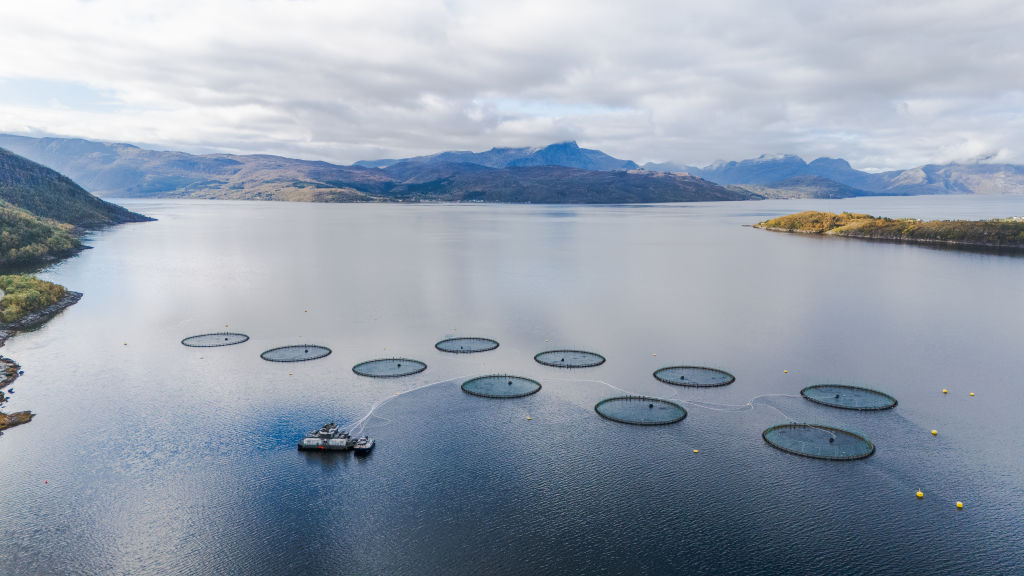
Guidelines promoting consumption of omega‑3‑rich fish have spurred a sharp rise in worldwide salmon demand, pushing production largely into aquaculture. Currently, farmed salmon represents about 70 % of the salmon consumed globally, dominating a market that previously depended on wild harvests.
Carried out by marine‑nutrition researchers, the study examined the makeup of salmon caught in recent years against specimens taken ten years ago and against wild fish. The results reveal noticeable drops in essential nutrients—including EPA and DHA omega‑3s, vitamin D, and select high‑quality proteins—while total calorie levels stayed unchanged.
The authors link the trend mainly to alterations in feed composition. Contemporary salmon operations are swapping conventional fish‑oil feeds for plant‑based oils sourced from soy, corn and rapeseed to cut expenses and ease demand on wild forage fish. Such oils are poorer in long‑chain omega‑3s, a shortfall that appears in the fish’s flesh. Additionally, selective breeding aimed at faster growth could modify how salmon process and deposit lipids, further affecting their nutrient makeup.
Although the lower concentrations do not make farmed salmon unsafe, the findings imply that eaters might obtain less omega‑3 per portion than earlier reports indicated. Dietitians recommend complementing salmon with additional omega‑3 foods—like sardines, mackerel, or algae‑derived supplements—and watching serving sizes to achieve advised intake levels.
The sector is already testing remedial steps, such as re‑adding marine‑derived oils, employing algae‑based DHA/EPA, and providing clearer nutrient labeling. Regulators might also revise labeling rules to capture these compositional shifts. Continued research will be vital to see if feed innovations can regain the traditional nutrient density of farmed salmon while meeting the production volumes required by worldwide markets.



Comments (0)
Be the first to comment.
Join the discussion