Study Finds Office Staff Still Feel Remote Despite Being On‑Site
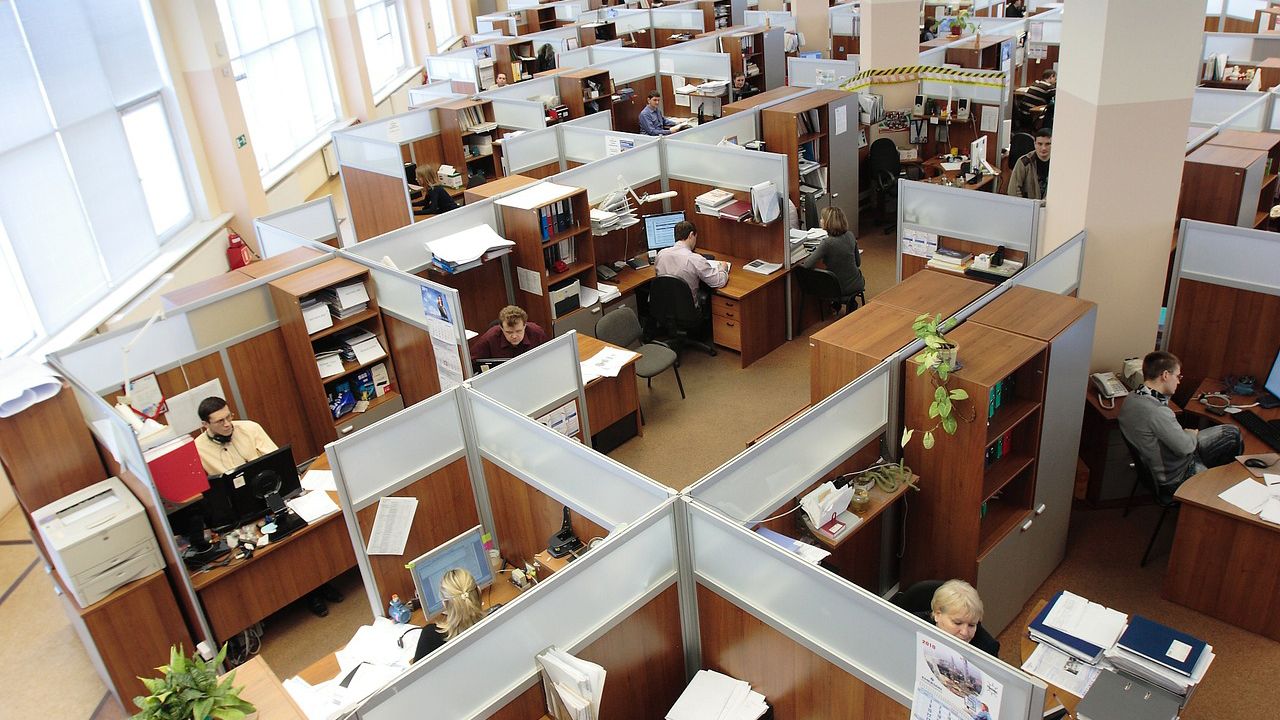
A new poll shows that an increasing proportion of workers who actually sit in the office still view their duties as essentially remote, calling into question the assurances many firms gave about restoring face‑to‑face collaboration post‑pandemic.
According to the research, which TechRadar references, employers generally expect staff to be present for about 3.74 days each week, yet the real average attendance falls to only 2.59 days. This gap is largely the result of virtual meetings that dominate much of the time employees spend at their desks, making the distinction between remote and office work hazy.
The authors of the study argue that the problem stems from an undefined purpose for on‑site days. When workers cannot tell which activities truly profit from in‑person interaction versus those that can be handled online, they revert to the same digital routines adopted during lockdowns.
Analysts point out that this trend carries wider consequences for efficiency and corporate culture. The original appeal of in‑person time was its ability to spark spontaneous chats, mentorship and team cohesion—elements that are difficult to duplicate via video calls. Without a clear agenda for those days, companies risk wasting the very resource they aim to protect.
Firms are now testing ways to give office attendance a clearer purpose. Suggestions range from earmarking certain days for collaborative workshops, client presentations or cross‑departmental brainstorming, while leaving other days for deep‑work that can stay virtual.
Specialists warn that any shift in policy must be communicated plainly and supported by measurable objectives. Simply increasing the required on‑site days without addressing the underlying workflow could heighten employee fatigue and reinforce the notion that the office adds little value.
As businesses keep refining hybrid arrangements, the study’s results highlight the need to match physical presence with tasks that genuinely require it. Whether through structured meeting formats, redesigned office spaces or updated performance metrics, the next generation of hybrid policies will likely aim to convert “remote‑feeling” desk jobs into truly collaborative, in‑person experiences.



Comments (0)
Be the first to comment.
Join the discussion