Starship SN40’s Ocean Retrieval Means It Won’t Return to Texas for Months
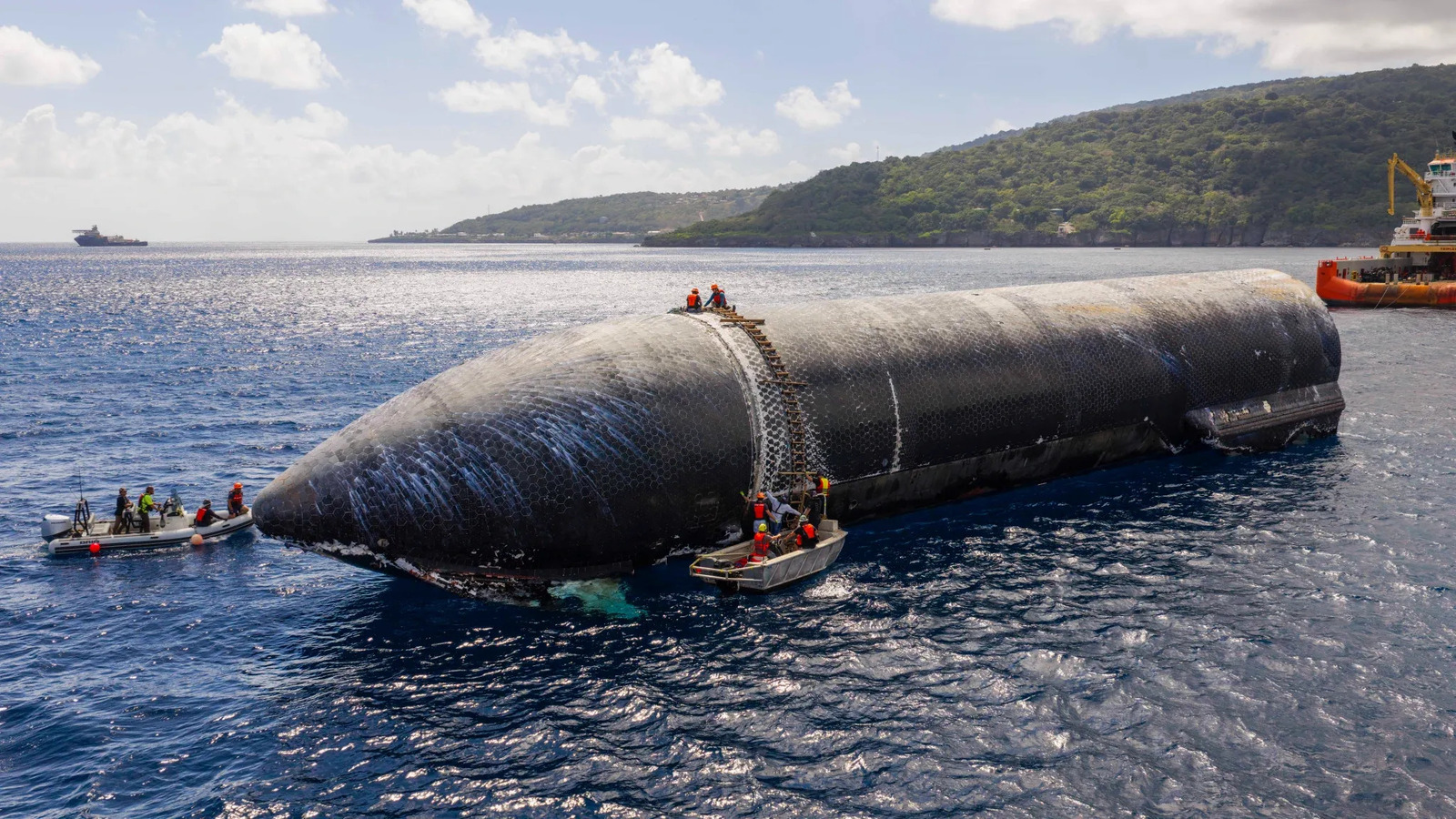
According to officials, SpaceX’s Starship prototype SN40, which landed in the Indian Ocean following a high‑altitude test flight, won’t reach the Boca Chica launch complex in Texas for many months. The sheer distance it must cover, together with logistical and regulatory obstacles, pushes the return timeline well beyond the few days typical of earlier Gulf Coast recoveries.
Launched from Texas, the flight carried SN40 up to near‑space altitude before it re‑entered and touched down in waters close to the Maldives. Although the spacecraft endured the mission and was recovered by a ship, its isolated landing site requires it to be first secured, loaded onto a transport vessel, and then ferried across several oceans before it can be off‑loaded at an American port.
Moving a 120‑meter‑tall, 1,200‑ton spacecraft is far from a straightforward container load. Its fragile heat‑shield tiles, complex propulsion hardware, and extensive instrumentation demand meticulous treatment to prevent damage that could delay upcoming tests. Experts will have to dismantle specific parts, secure the frame against ocean motion, and conduct detailed inspections throughout each leg of the trip.
Regulatory hurdles further complicate the operation. The U.S. Department of Transportation and maritime regulators need to clear the vessel’s course, and customs formalities must be satisfied before the hardware is allowed entry. Though standard for sizable aerospace cargo, these steps are time‑intensive and bound by scheduling limits that can push the arrival back even more.
In the past, SpaceX has retrieved Starship prototypes that touched down off Florida’s coast, where the closeness to its launch sites enabled a comparatively quick turnaround. The Indian Ocean touchdown, however, marks the most distant recovery location yet, underscoring the program’s expanding ambition while also revealing the logistical difficulties of managing a fully reusable launch system worldwide.
Analysts point out that the longer return period is unlikely to slow SpaceX’s overall development schedule, given that several prototypes are being tested concurrently. Still, the incident highlights the need for solid recovery and transport infrastructure if Starship is to deliver the rapid re‑use envisioned for lunar, Martian, and deeper‑space missions.



Comments (0)
Be the first to comment.
Join the discussion