Starship’s Gigantic Size Makes It a Pillar of NASA’s Moon Return Plan
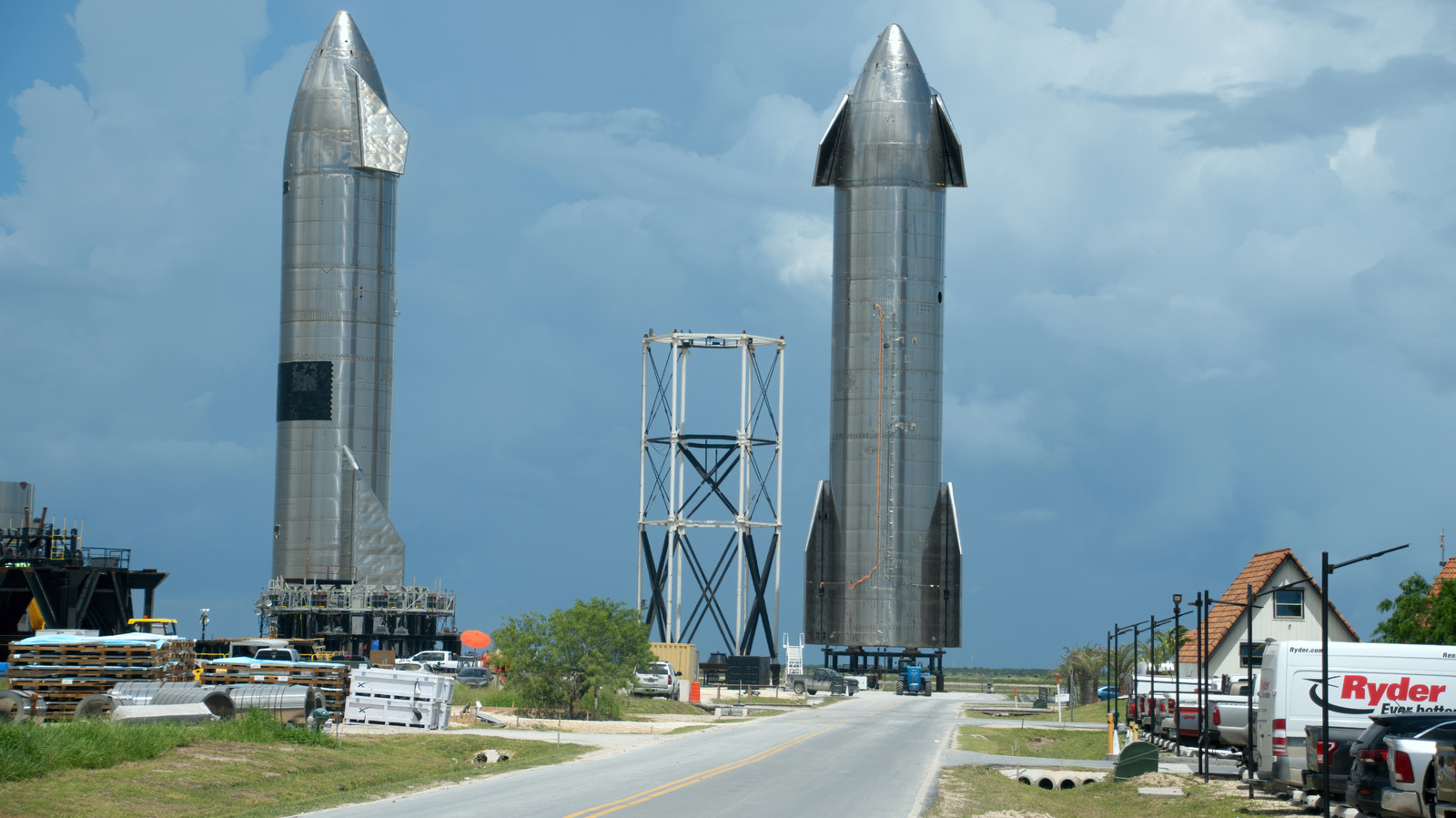
NASA's Artemis program has singled out SpaceX's Starship as a key component of its plan to send humans back to the Moon, using the vehicle's unmatched scale and fully reusable architecture to cut expenses and boost launch frequency.
At about 120 meters tall with its Super Heavy booster attached, Starship towers over virtually all current launchers. Its 9‑meter‑wide body and a total lift‑off mass over 5,000 metric tonnes give it a payload ability that surpasses the Saturn V, the rocket that delivered Apollo crews to the lunar surface.
The two‑stage design divides launch duties from orbital tasks. The first stage, Super Heavy, contains dozens of Raptor engines that produce the thrust required to break free of Earth’s gravity. After its burn, it separates and is slated to return for a controlled touchdown, while the second stage—named Starship—continues into orbit, carrying its own Raptor engines for maneuvering, in‑space refueling and deep‑space voyages.
In addition to its massive dimensions, Starship is engineered for quick reusability. Both stages are intended to perform vertical landings and be prepared for another flight within days, a feature that could slash the cost per kilogram delivered to lunar orbit. Its spacious interior also permits crew, cargo and even lunar landers to ride together on a single launch, streamlining the mission layout for NASA’s upcoming Gateway station and surface excursions.
SpaceX is now gearing up for a series of high‑altitude and orbital test flights that will prove the system’s integrated performance, including orbital refueling—a vital capability for deep‑space trips. The outcomes of these demonstrations are expected to shape the final contract details between NASA and SpaceX, affecting the schedule for crewed lunar landings targeted for the mid‑2020s.
Should Starship achieve its aggressive targets, it could serve as the primary vehicle not only for NASA’s lunar goals but also for future Mars expeditions, satellite launches and commercial payloads, heralding a fundamental change in humanity’s access to space.


Comments (0)
Be the first to comment.
Join the discussion