Starlink’s Mobility Advantage Puts It Ahead of Cable and Fiber
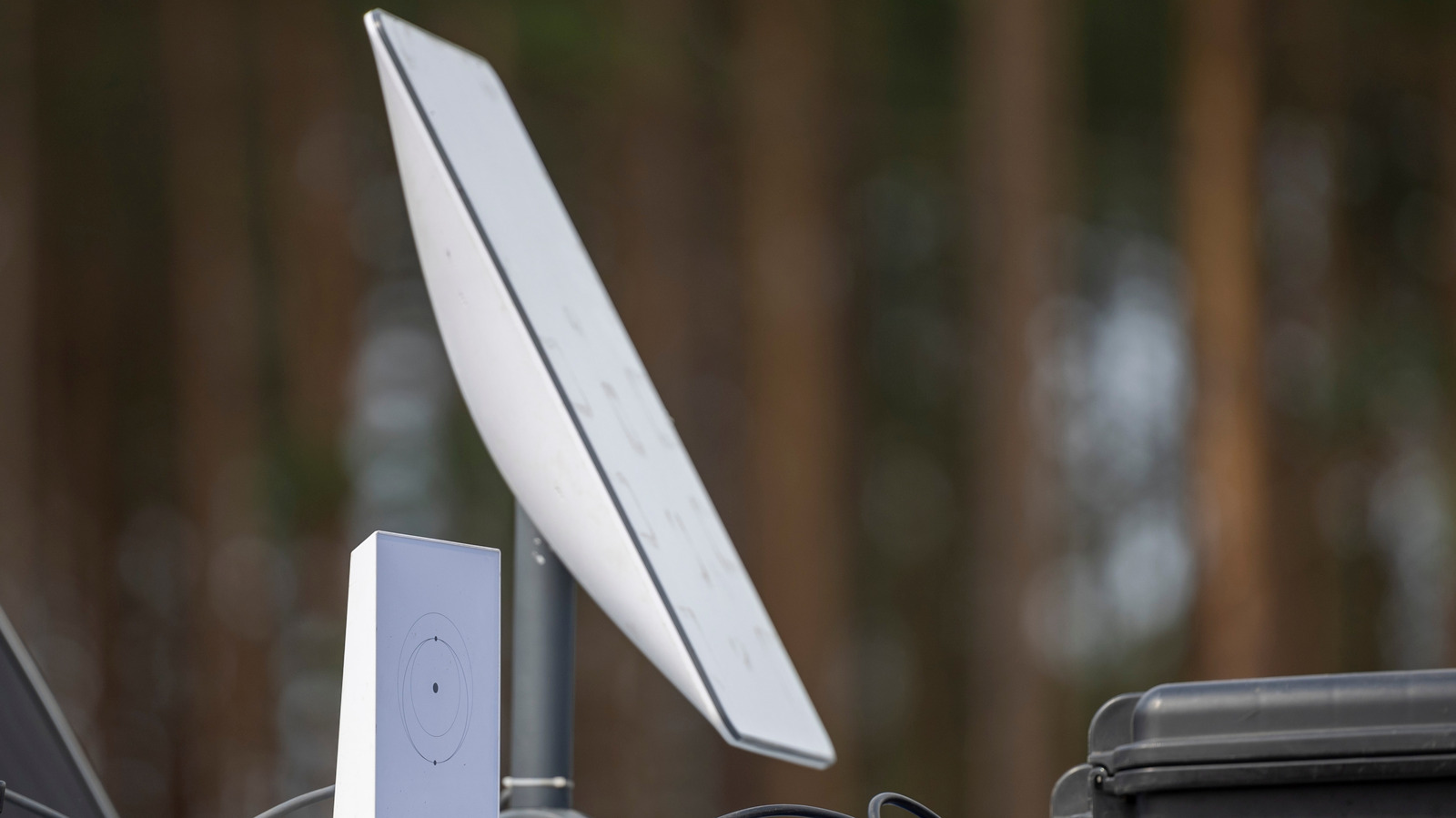
Although cable and fiber generally surpass satellite offerings in sheer speed and latency, SpaceX’s Starlink sets itself apart through a mobility benefit that may offset those performance differences for numerous users.
Starlink’s main attraction is its capacity to provide broadband without relying on extensive terrestrial infrastructure. A subscriber simply installs a terminal, aims it at the sky, and within minutes enjoys high‑speed connectivity—no trench‑digging or fiber‑laying required. This plug‑and‑play approach proves especially useful in isolated villages, short‑term construction zones, and disaster‑hit regions where cabling is either unfeasible or overly costly.
In addition to fixed setups, Starlink’s equipment is built for mobility. The firm offers sturdy, vehicle‑mounted kits that keep a link alive while traveling on roads, sailing on vessels, or even operating from airborne platforms. This provides RV travelers, marine crews, and field scientists with continuous service in areas beyond the reach of conventional ISPs.
Wired connections still lead in performance—fiber can provide gigabit rates with latency under 10 ms, while Starlink usually supplies 50‑150 Mbps with 20‑40 ms delay. Yet the balance changes when deployment time and coverage area are weighed. About 20 % of U.S. homes still lack fiber, and numerous rural areas depend on satellite or DSL. Starlink’s fleet of low‑Earth‑orbit satellites, circling roughly 550 km above Earth, cuts latency versus legacy geostationary satellites, shrinking the disparity with ground‑based services.
Lawmakers and regulators have recognized the technology’s ability to narrow the digital divide. Federal broadband‑expansion programs frequently reference satellite options as a supplement to wired rollout, particularly in low‑density states. At the same time, rival low‑Earth‑orbit constellations are stepping up competition, urging providers to enhance service quality and lower costs.
When choosing a provider, consumers need to trade speed for flexibility. City residents who already enjoy fiber may find little added value from Starlink. Conversely, people with temporary connectivity demands—seasonal laborers, emergency personnel, or travelers—may consider the capacity to obtain a dependable connection without awaiting infrastructure as a decisive factor.
Looking forward, SpaceX intends to deploy more satellites and roll out higher‑throughput terminals, targeting higher speeds and lower latency. Should these upgrades come to fruition, the mobility advantage could become an even stronger selling point, possibly transforming broadband delivery in hard‑to‑reach areas across the globe.


Comments (0)
Be the first to comment.
Join the discussion