Spectacular Buck Moon of July Set to Light Up the Night Sky Next Week
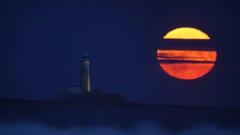
Astronomy enthusiasts and everyday skywatchers are getting ready for a stunning celestial display as the full Moon of July, historically called the Buck Moon, prepares to brightly light up the night sky over the next few days. This yearly occurrence provides an excellent chance for anyone gazing upward to enjoy the view.
The unique moniker, 'Buck Moon,' stems from Native American lore and highlights a particular phase in the cycle of nature. July generally marks the time of year when male deer, or bucks, are actively developing fresh antlers. This rapid summer antler growth makes the name an appropriate tribute to the wildlife of the season.
A full Moon happens when the Earth's natural satellite is positioned directly across from the Sun during its orbital path, which permits its entire surface to be lit up from our viewpoint. This cosmic alignment makes the Moon look like a flawless, glowing circle, usually representing its most brilliant and prominent phase of the monthly cycle.
No specialized gear is required for those wishing to spot the Buck Moon. It can be seen easily with the naked eye and looks especially impressive as it climbs above the horizon just after the sun goes down. At this point, the Moon frequently looks bigger and more colorful because of an optical effect called the 'moon illusion,' in which nearby terrestrial objects mislead the brain into seeing it as oversized.
In addition to its aesthetic beauty, the Buck Moon—much like other historically named full moons—holds deep cultural meaning, acting as a natural almanac for farming schedules and seasonal shifts over hundreds of years. Its reliable return has assisted different societies in keeping time and preparing for environmental changes.
While it climbs into the darkness and sheds its gentle light, the Buck Moon provides a chance to contemplate the patterns of the natural world and our connection to the wider universe. To best enjoy the Moon's true brilliance during its highly anticipated appearance next week, viewers are advised to seek out locations far from urban light pollution.


Comments (0)
Be the first to comment.
Join the discussion