Solar Storm Cripples GPS, Causes Autonomous Car Outages
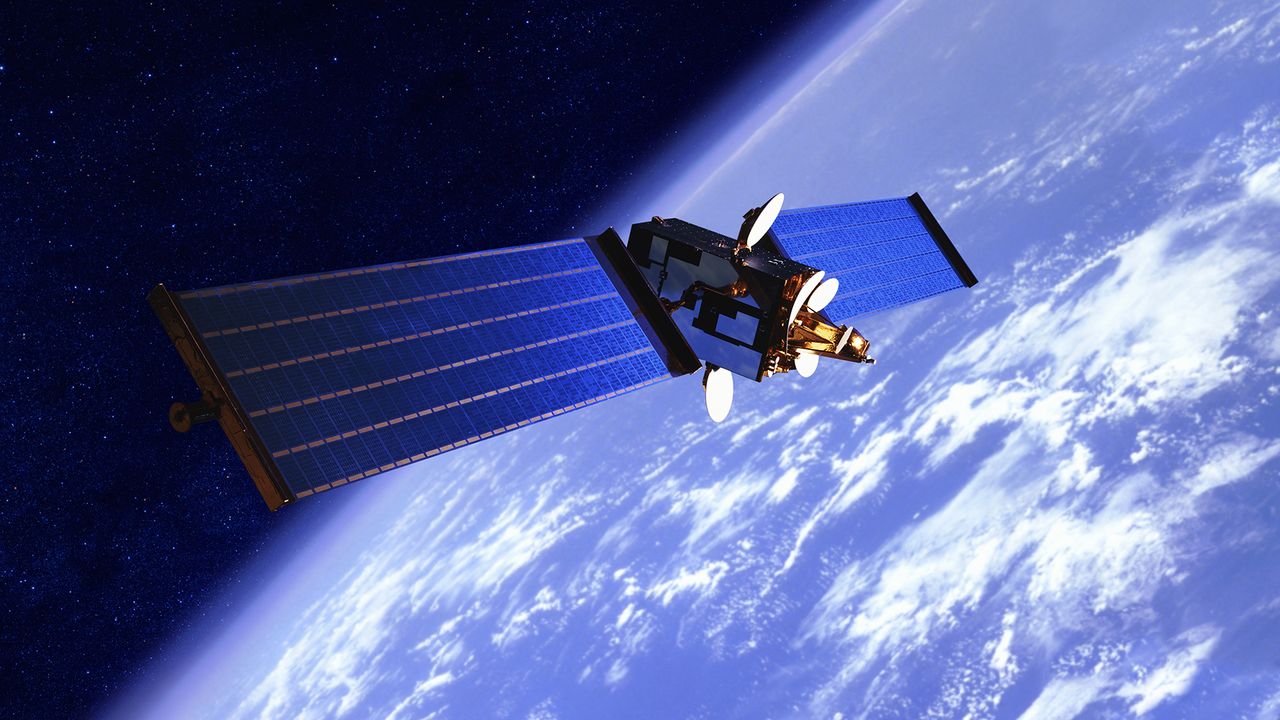
Researchers have verified that a recent solar storm emitted a radiation burst strong enough to corrupt GPS signals, resulting in a cascade of failures in self‑driving vehicles that depend on accurate navigation data. The disturbance, captured by space‑weather instruments, produced positional errors large enough to make several autonomous cars stop or switch to manual operation, triggering safety warnings throughout the impacted fleets.
The episode underscores how susceptible today’s transport networks are to space‑weather events. Although Earth’s magnetic field blocks most solar particles, especially powerful flares can breach the ionosphere and briefly impair the precision of satellite‑based positioning. Here, ionospheric disturbances created timing offsets that rippled through the GPS constellation, yielding false location fixes for devices that rely on them.
Vehicle manufacturers and tech firms reacted by rolling out emergency software patches that detect and compensate for abnormal GPS readings. The patches direct cars to compare satellite data with inertial‑measurement units and, when the mismatch surpasses a safety limit, shift into a fallback mode that slows the vehicle and notifies the driver. Spokespeople stressed that built‑in redundancy averted collisions, yet the incident highlighted the need for stronger safeguards.
Space‑weather organizations, such as the U.S. National Oceanic and Atmospheric Administration, are analysing the incident to refine forecasting and alert procedures. By issuing earlier warnings of geomagnetic turbulence, they hope to give autonomous‑fleet operators enough time to tweak navigation algorithms before signal degradation becomes critical. Specialists point out that as driverless technology proliferates, coordination between satellite services and ground‑based systems will grow ever more vital.
The ramifications reach beyond road transport. Infrastructure that depends on GPS—including power‑grid control, aviation, and maritime navigation—can also suffer interruptions during intense solar activity. Though such storms are uncommon, the expanding dependence on satellite timing and positioning makes resilience a top priority for policymakers and engineers. Continued research into alternative positioning techniques and hardened satellite architectures aims to lessen the likelihood of future outages caused by space weather.



Comments (0)
Be the first to comment.
Join the discussion