Smart Vacuums Spark Fresh Privacy Debate Over Audio and Video Capture
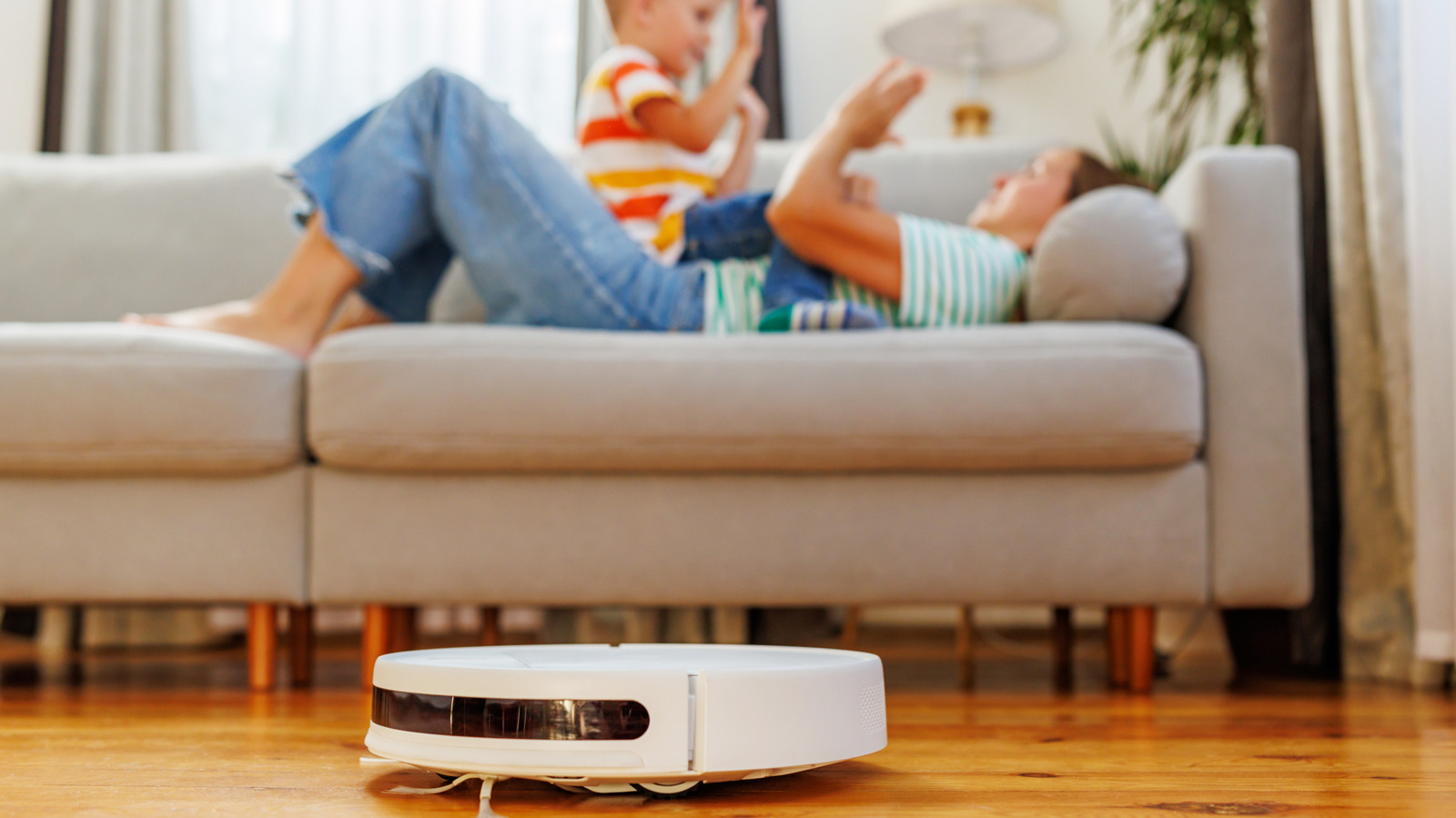
While robot vacuums are lauded for their ability to chart a home and steer clear of obstacles, the very sensors that enable this efficiency are now prompting privacy worries. A growing number of models ship with integrated microphones and cameras that record sound and video to fine‑tune cleaning paths, a development that has consumer‑rights advocates probing how the information is handled.
Typically, manufacturers keep the gathered data either on the unit itself or in cloud services tied to the owner’s account. Although the goal is to improve navigation algorithms, the information could be exposed to outside parties if adequate protections are missing. The absence of clear policies about who may access or use the recordings leaves many users unsure about the level of exposure.
Specialists warn that the same technology that lets a vacuum sidestep furniture can also capture spoken words or visual scenes inside private rooms. Without explicit consent mechanisms, the devices might unintentionally record sensitive moments—such as phone calls or family conversations—and send them to remote servers for analysis.
Regulators in several regions have started to look into the problem. The European Union’s General Data Protection Regulation (GDPR) already mandates transparent disclosure of data‑collection practices, and officials are assessing whether current robot‑vacuum products comply. In the United States, the Federal Trade Commission has released IoT‑privacy guidance, urging makers to embed “privacy‑by‑design” principles.
Owners can reduce the risk by adjusting privacy options in the companion app, turning off audio or video functions when they are unnecessary, and periodically erasing stored logs. Some brands even allow users to keep the data on‑device instead of uploading it to the cloud, providing an added layer of control for those wary of remote storage.
The discussion highlights a wider clash between convenience and privacy in the expanding smart‑home arena. As appliances become more sophisticated, both consumers and regulators are likely to press for clearer data‑handling disclosures, tougher security safeguards, and the option to opt out of nonessential data gathering.

Comments (0)
Be the first to comment.
Join the discussion