Smart Speakers Struggle to Hear? Easy Ways to Boost Their Accuracy
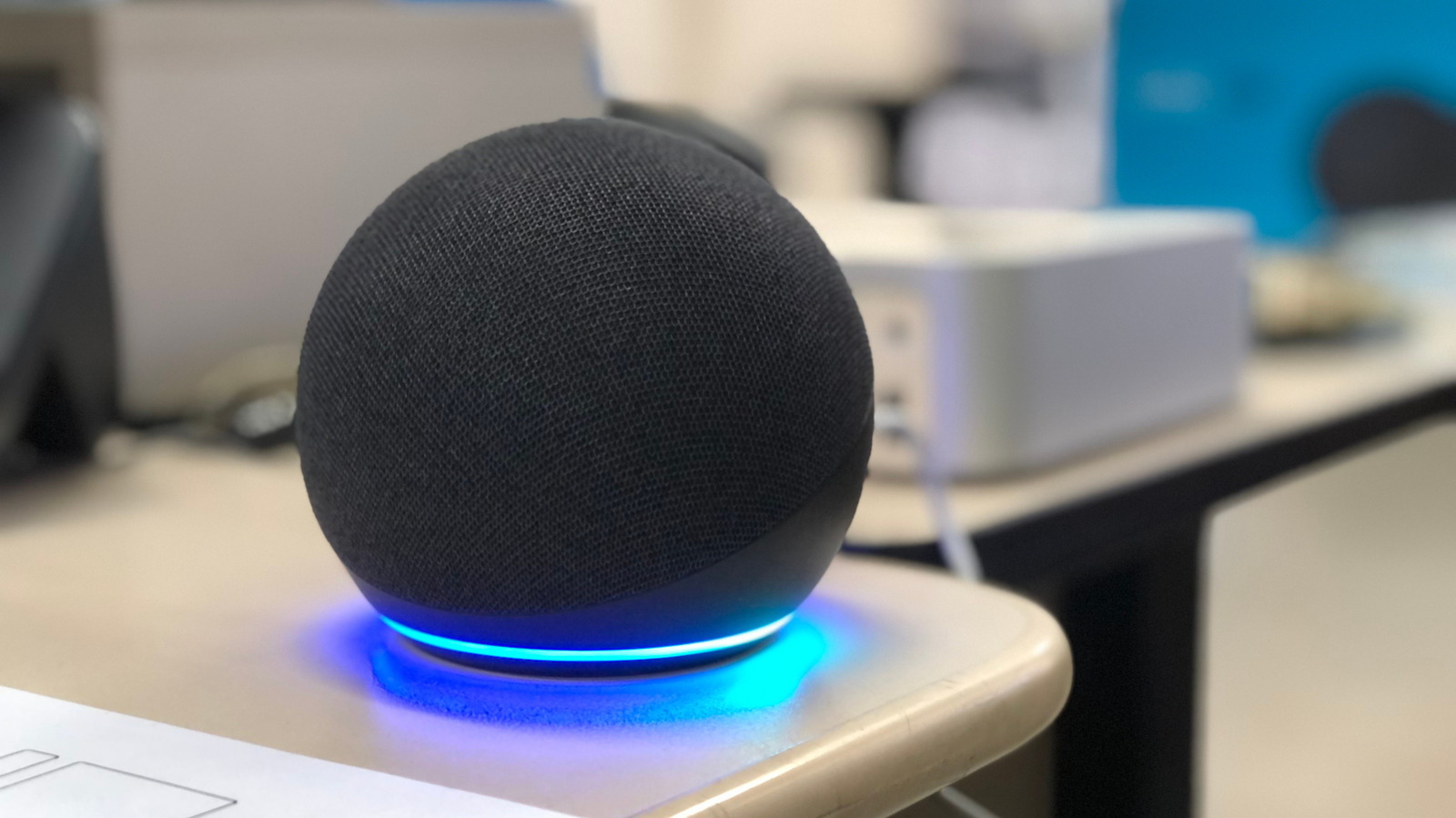
More and more users are irritated when voice‑activated assistants miss commands, a dilemma rooted in both technological constraints and everyday usage patterns. Although makers promote effortless, hands‑free operation, real‑world scenarios often reveal shortcomings in a device's capacity to capture and decode speech correctly.
The heart of most smart speakers is a microphone array intended to separate a speaker's voice from ambient noise. Yet elements like nearby conversations, music, TV sound, or placement near reflective surfaces can weaken the signal, causing the speech‑recognition system to misinterpret or disregard requests. Moreover, the underlying algorithms depend on extensive data sets that may not represent every accent, dialect, or speech nuance, adding to the error rate.
Specialists suggest several straightforward tweaks to raise reliability. First, locate the unit away from walls, windows, or corners to cut down echo and reverberation. Second, address the speaker directly and talk at a clear, moderate speed to provide the microphone array with a cleaner sample. Activating the device’s voice‑profile training—where the assistant adapts to a household member’s specific vocal timbre—also improves precision, particularly in homes with multiple users.
Keeping the software current is another vital measure. Producers frequently issue firmware updates that fine‑tune wake‑word detection, introduce fresh language models, and fix known bugs. Users should also audit privacy settings to confirm the microphone activates only when required, as some devices default to continuous listening that can capture unintended sounds.
Beyond user‑level steps, the sector is advancing both hardware and AI. Modern beam‑forming microphones can zero in on a single audio source, while newer neural‑network models handle a broader range of accents and noisy settings more effectively. Certain firms are testing on‑device processing to lower latency and safeguard user data, which may also speed up recognition.
For the moment, most misunderstandings can be lessened by applying the tips above and being mindful of the speaker’s surroundings. As voice technology matures, a blend of smarter hardware, refined algorithms, and educated user habits should close the gap between expectation and performance, making hands‑free control increasingly reliable in daily life.

Comments (0)
Be the first to comment.
Join the discussion