Selecting the Proper HDMI Input Enhances Your Roku Performance
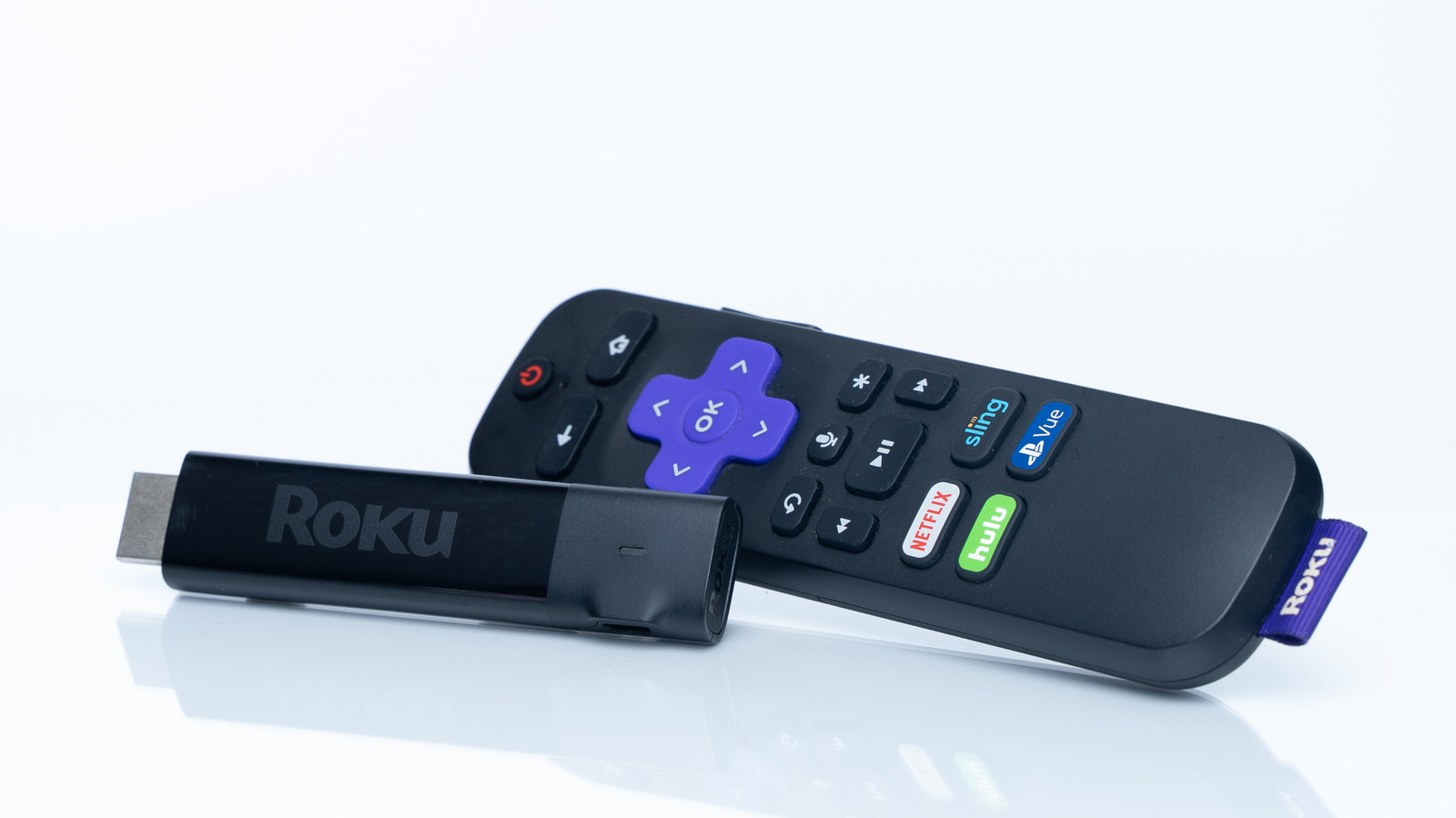
Although Roku streaming players generally work on any HDMI connection, technology specialists recommend pairing the unit with the most appropriate TV port to prevent avoidable issues and to take full advantage of advanced capabilities.
Contemporary televisions typically provide multiple HDMI sockets, each marked uniquely—HDMI 1, HDMI 2, ARC (Audio Return Channel), and occasionally ports earmarked for high‑speed or 4K signals. The markings indicate what each input can handle, including greater bandwidth, superior audio return, or particular control standards.
In contrast to gaming consoles or high‑end soundbars that often demand a specific slot, Roku units are built to be more tolerant. They usually run smoothly on ordinary HDMI 1.4 or 2.0 ports, so inserting a Roku into a secondary or "idle" socket is unlikely to cause a total outage.
Still, choosing the best port can be beneficial. HDMI‑CEC‑compatible inputs allow the Roku remote to turn the television on or off and modify volume without an extra remote. An ARC‑capable port can send TV audio back to a receiver, enhancing audio for streamed films and series. Moreover, HDMI sockets marked for 4K or HDR deliver the peak picture quality that many streaming platforms promote.
Manufacturer recommendations typically advise connecting streaming sticks or boxes to the main HDMI port—usually HDMI 1—or to an ARC‑enabled input when external audio gear is used. This arrangement streamlines installation, cuts down on extra cabling, and optimizes compatibility with TV firmware updates that often give priority to the first HDMI slot for smart‑TV features.
With the latest Roku models adopting HDMI 2.1 capabilities like higher frame rates and variable refresh rates, aligning the device with a suitable TV input becomes increasingly critical. Users should refer to their TV’s manual and confirm which ports provide the complete feature set, guaranteeing a seamless and future‑ready streaming experience.



Comments (0)
Be the first to comment.
Join the discussion