Screen‑Free Gadgets Usher in a Move Toward Subtle Health Monitoring
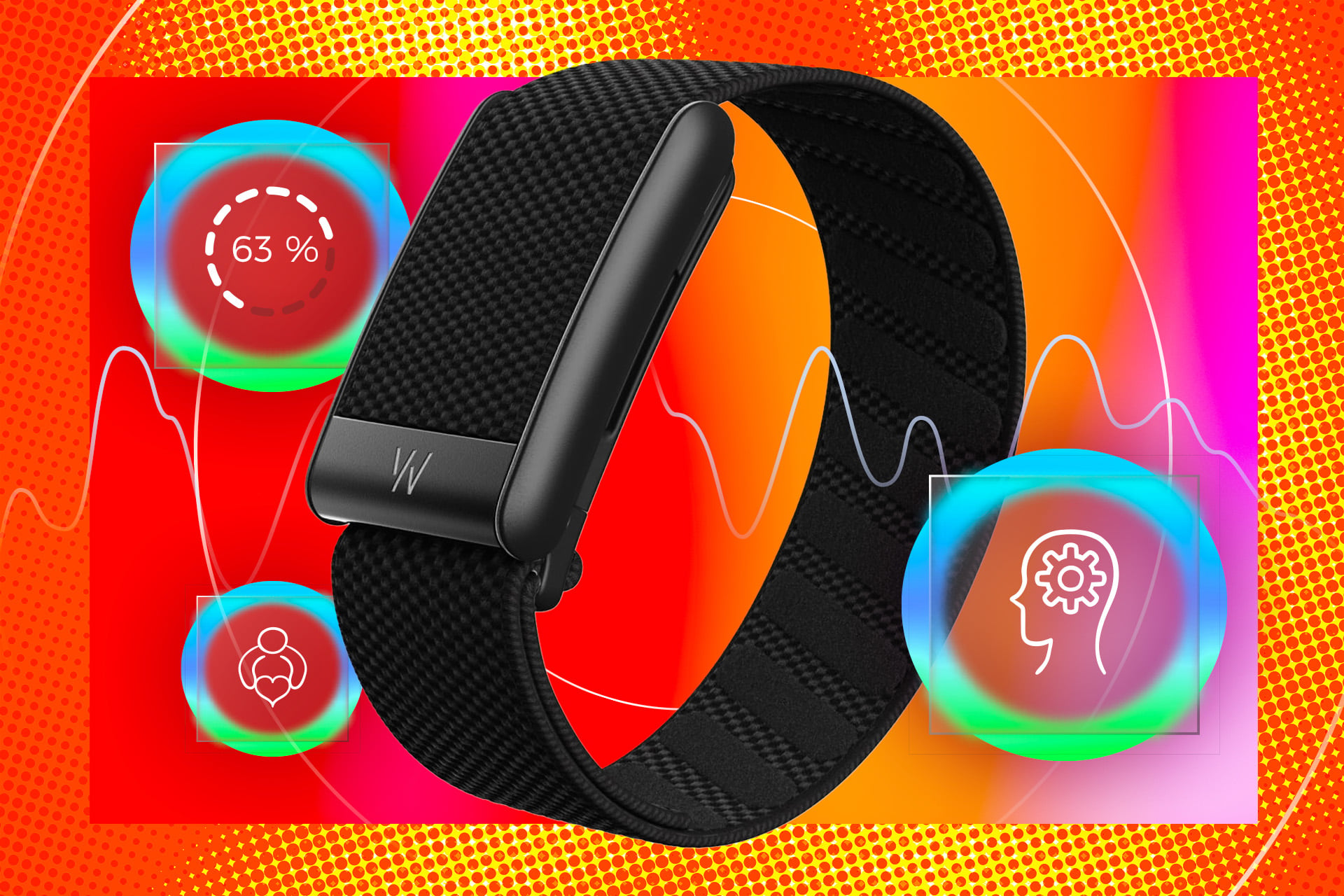
Wearables without screens are moving out of the niche gadget arena and becoming a mainstream choice for health monitoring, representing a significant milestone in wearable tech's progression.
In contrast to conventional smartwatches that depend on visible screens, products like smart rings, low‑key bands, and stick‑on patches record data such as heart rate, sleep cycles, and activity without any display. Alerts reach users via gentle vibrations or through a connected phone, keeping the device virtually invisible.
This transition occurs while flagship devices such as the Apple Watch, Samsung Galaxy Watch and Google Pixel Watch lead the high‑end market, typically featuring larger screens and higher price tags. Screen‑free options attract users who value comfort, extended battery life, and a minimalist look, delivering a quieter, less noticeable connection to health information.
Analysts observe a consistent rise in sales and app compatibility for these stripped‑down gadgets. Leading health services such as Apple Health and Google Fit have begun ingesting data from screen‑free wearables, expanding their usefulness and prompting users to employ several tracking solutions without overlap.
Medical professionals contend that the widening embrace of low‑profile wearables may boost preventive care by making nonstop monitoring reachable for a broader population. The lower visual interruption and longer battery life can also mitigate privacy worries, since fewer on‑device prompts reduce the chance of accidental data leaks.
Going forward, producers are likely to augment screen‑free products with sophisticated sensors, AI‑powered analytics, and deeper ties to telehealth platforms. As regulations governing personal health information develop, the industry could face stricter accuracy and security requirements, solidifying screen‑free wearables as a lasting element of the digital health ecosystem.


Comments (0)
Be the first to comment.
Join the discussion