Scientists Confirm First U.S. Record of Newly Identified Mosquito Aedes amateuri
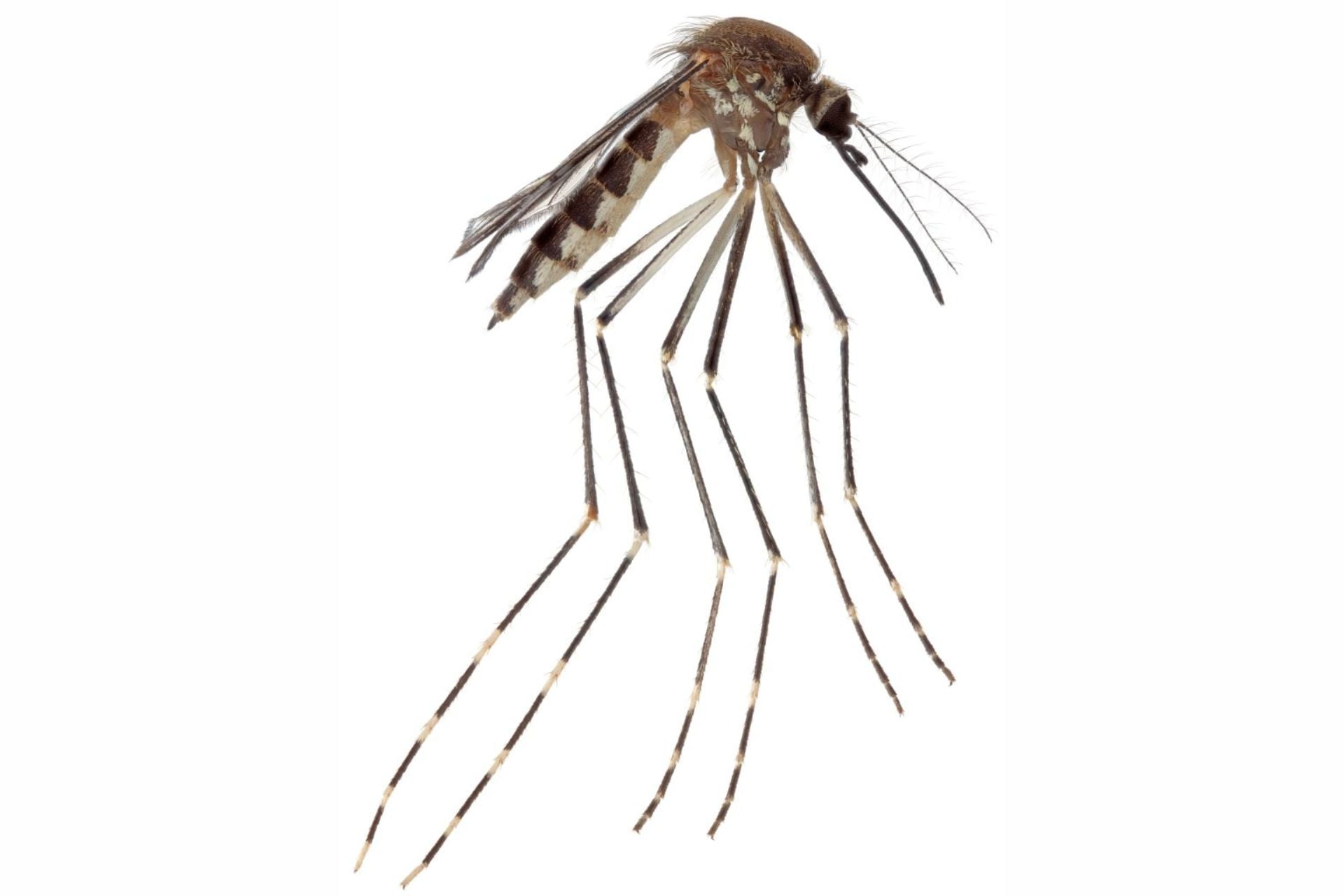
Entomologists have formally documented a mosquito species never before seen in the United States—Aedes amateuri. This marks the inaugural confirmation of the species on American territory, drawing increased focus from public‑health officials and scientists.
The discovery arose during standard vector‑surveillance activities, where experts inspected collected specimens with morphological keys and DNA sequencing. The results linked the insects to the Aedes amateuri taxon, an Aedes genus member previously recorded solely outside the United States.
Although the health impact of this newcomer is still unclear, the finding is worrisome since numerous Aedes mosquitoes transmit viruses like dengue, Zika, chikungunya and West Nile. Officials emphasize that early detection is vital; knowing a species’ range and habits can guide precise control measures before it becomes entrenched or linked to disease spread.
The Aedes genus houses several infamous pests, especially Aedes aegypti and Aedes albopictus, which have achieved worldwide distribution and demanded major public‑health initiatives. Though less researched, Aedes amateuri shares essential biological characteristics with its kin, such as a tendency to breed in tiny water pools. Scientists point out that the mosquito’s ability to thrive in urban and suburban settings could aid its expansion when favorable conditions are present.
Going forward, federal and state bodies intend to broaden surveillance networks to monitor the mosquito’s distribution and population dynamics. Joint research will seek to chart its ecological niche, examine possible interactions with current mosquito populations, and gauge any emerging disease threats. This swift scientific reaction highlights a wider dedication to proactive vector control amid changing climate conditions and international travel, factors that raise the chances of new insect introductions.



Comments (0)
Be the first to comment.
Join the discussion