Samsung’s 2026 Oldest Supported Phone Highlights Ongoing Update Longevity Debate
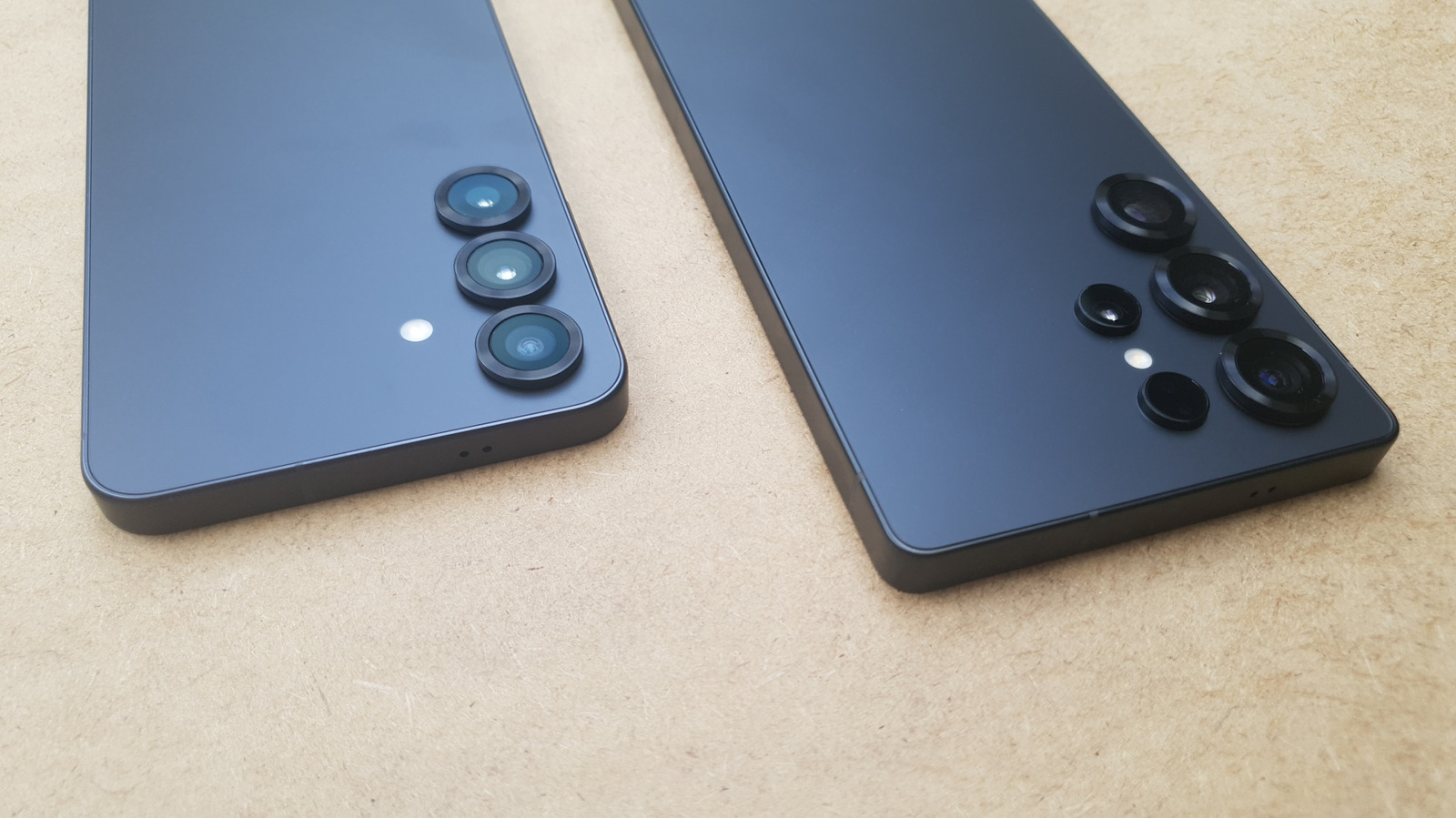
With 2026 now underway, Samsung owners are posing a straightforward yet impactful question: which Samsung smartphone remains the oldest model still receiving official software updates? The response serves as a gauge for the expected lifespan of Android devices in terms of security and usability, shaping purchasing decisions across the industry.
The importance of software support lies in its direct influence on a device's security, app compatibility, and resale value. A phone that continues to obtain patches and OS upgrades can stay useful for several years, whereas a device abandoned by updates quickly becomes exposed to threats and unable to run newer apps.
Over the past ten years, Samsung’s update policy has shifted. The company once pledged up to three major Android version upgrades plus an extra year of security patches—a timeline comparable to many Android makers but trailing Apple’s longer support periods. More recently, Samsung has upped its promise, offering four years of OS upgrades for flagship phones released from 2021 onward and five years of security updates for certain models.
The most recent data on Samsung’s support portal shows that the earliest phones still slated for OS updates in 2026 belong to the 2022 flagship series. Those devices, launched in early 2022, are scheduled to receive their final major Android upgrade this year, with security patches extending through the end of 2027. Consequently, the 2022 lineup represents the oldest generation that will continue to get both OS and security updates beyond the current year.
What this means for buyers is straightforward. Consumers who value long‑term support can target Samsung’s 2022 releases to secure a five‑year update window, while owners of older handsets should anticipate the cessation of official updates within the next 12‑18 months. The second‑hand market mirrors this timeline, as phones still under support typically fetch higher resale prices.
Samsung’s position sits roughly in the middle of the Android landscape. Google’s Pixel devices usually receive three years of OS upgrades, and brands like OnePlus and Xiaomi often provide two to three years of security patches. Apple, on the other hand, routinely backs iPhones for five to six years. Samsung’s expanded schedule therefore narrows the gap between Android and iOS regarding software longevity.
Looking forward, analysts predict Samsung could push its support promises even further, especially as regulatory pressure in Europe and the United States grows for longer device lifespans. Should a new policy be announced this year, the definition of the "oldest supported device" might shift dramatically, potentially adding 2021 models to the supported list.
For prospective purchasers, the practical advice is to check the update roadmap before buying. Samsung’s official documentation, easily accessible on its website, outlines each model’s projected update schedule. Matching a phone’s release year with its anticipated end‑of‑support date helps ensure the device remains secure and functional throughout its intended life.
In a time when software updates are as critical as hardware specifications, the question of which Samsung phone remains the oldest still receiving updates in 2026 highlights a broader consumer demand: longer, clearer support cycles that safeguard both user data and investment.

Comments (0)
Be the first to comment.
Join the discussion