Rising Temperatures Could Chill Household Food Budgets
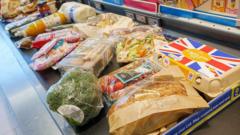
As global temperatures continue their upward trend, consumers may soon notice a less welcome change at the grocery store. Beyond the immediate operational adjustments supermarkets make to keep their chillers functioning optimally, there is a growing concern that sustained heatwaves could translate into steeper prices for essential food items.
The impact of extreme heat begins long before products reach the supermarket shelf, directly affecting the agricultural sector. Prolonged periods of high temperatures and associated drought conditions can severely stress crops, leading to reduced yields and, in some cases, crop failure. Livestock also suffers under heat stress, which can diminish productivity in dairy, meat, and poultry industries. These agricultural disruptions inevitably tighten supply, creating upward pressure on wholesale prices.
Furthermore, the entire food supply chain becomes more energy-intensive during heatwaves. Maintaining optimal temperatures for perishable goods, from farm storage and processing plants to refrigerated trucks transporting produce across regions, demands significantly more power. The increased electricity consumption for cooling and refrigeration adds substantial operational costs for producers and distributors, expenses that are frequently passed along to retailers.



Comments (0)
Be the first to comment.
Join the discussion