Researchers Identify Origin of Surprise Quake in Africa’s Historically Stable Interior
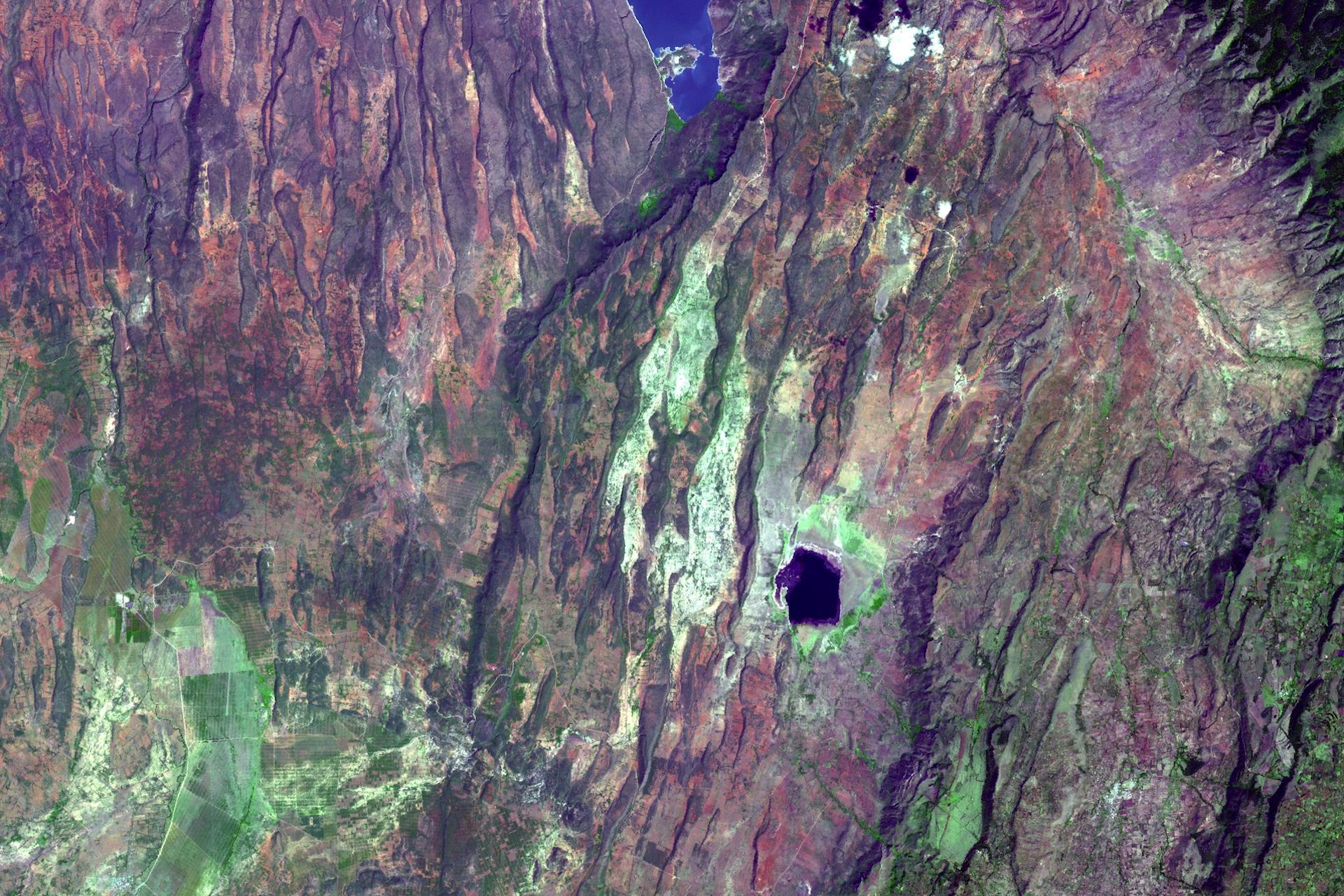
A modest quake shook part of eastern Africa, an area long deemed tectonically calm, leading scientists to present the first definitive account of the surprising shaking.
Thousands of people living in the thinly settled zone experienced the tremor, which produced slight building damage yet no injuries. Officials noted the shaking persisted for only a few seconds, but its occurrence far from Africa’s prominent rift systems and plate margins instantly captured seismologists’ attention.
The heart of the African plate has long been labeled a stable craton, with most quakes limited to the East African Rift and the western shoreline where the African and South American plates formerly split. The infrequency of notable interior tremors has fostered the belief that the crust there is essentially inactive—a view the new research now contests.
Scientists from a number of African and overseas centers analyzed the event’s waveform, depth and focal mechanism with records from recently deployed broadband seismometers. Their study shows the quake sprang from a long‑ago, concealed fault that has been re‑energized by the gradual north‑west drift of the Somali micro‑plate relative to the Nubian plate. This gentle separation, moving merely a few millimetres each year, can build up strain over centuries and ultimately discharge it as a small earthquake.
The finding carries wider significance for theories of continental fragmentation. Although the East African Rift represents the most conspicuous sign of Africa’s current division, the new data reveal that the same forces are also acting within the continent’s interior, though with less striking effects. Intraplate quakes of this sort can sharpen models of plate fracture and enhance seismic‑hazard evaluations for areas once regarded as secure.
Researchers caution that the results do not foretell an imminent wave of major quakes, yet they highlight the necessity for broader monitoring arrays throughout Africa. Projects are already in motion to install more seismic stations and to combine satellite‑derived deformation data, which together should yield a sharper view of the concealed stresses molding the continent’s geological trajectory.
As scientists keep charting the gentle movements that slowly separate the African landmass, this recent tremor reminds us that even the most apparently stable crust can conceal active forces, urging a reassessment of disaster readiness in zones long thought geologically silent.



Comments (0)
Be the first to comment.
Join the discussion