Researchers Find Vibrant Life Within Metal‑Rich Seafloor Rocks, Raising Questions Over Mining Plans
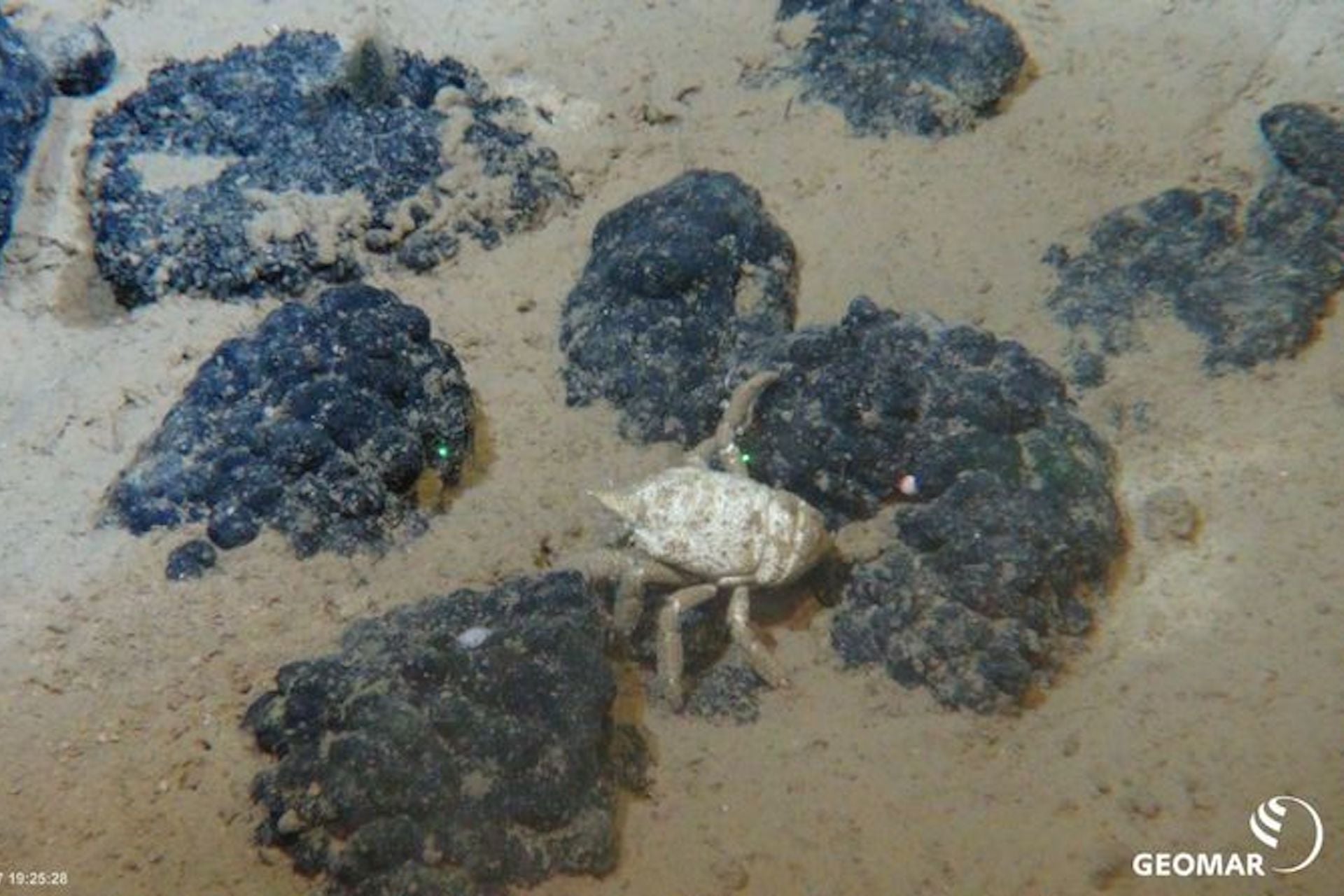
Scientists studying the deep ocean have recorded abundant populations of minute fauna inhabiting the porous cores of metal‑laden seafloor rocks, a discovery that may hinder deep‑sea mining companies' intentions to extract those same mineral‑rich structures.
The investigation targeted outcrops rich in cobalt, nickel and other battery‑ and electronics‑grade elements. Within the voids of these rocks, researchers enumerated thousands of creatures—from tiny crustaceans to filter‑feeding worms—occupying a maze of connected chambers that offer protection and a continuous supply of nutrients.
Firms seeking to harvest the deposits contend that surging demand for clean‑energy technologies renders deep‑sea mining a vital link in upcoming supply chains. The rocks in question, commonly called polymetallic nodules or cobalt‑rich crusts, reside several thousand meters below the surface, a realm inaccessible to conventional mining and only reachable via robotic, remotely operated vehicles.
Environmental organizations and numerous scientists caution that these ecosystems rank among the planet’s least studied. Adapted to the deep ocean’s high pressure and dim light, the resident organisms could trigger unpredictable ripple effects if disrupted. Finding such prolific life inside the rocks refutes the notion that these mineral deposits are lifeless and highlights the necessity for thorough ecological evaluations.
Regulators across multiple jurisdictions are presently examining proposals for commercial extraction, and the recent data are expected to shape the discussion. International entities like the International Seabed Authority have urged precautionary steps and more comprehensive baseline research prior to launching any large‑scale mining activities.
The investigators emphasize that additional exploration is needed to chart the full scope of biodiversity linked to these rocks and to decipher how the fauna engage with the mineral matrix. Until such insight is obtained, they advocate a prudent strategy that weighs resource demands against the protection of these singular deep‑sea habitats.



Comments (0)
Be the first to comment.
Join the discussion