Research Finds Fructose Emitted by Chemotherapy‑Resistant Cells Promotes Ovarian Cancer Metastasis
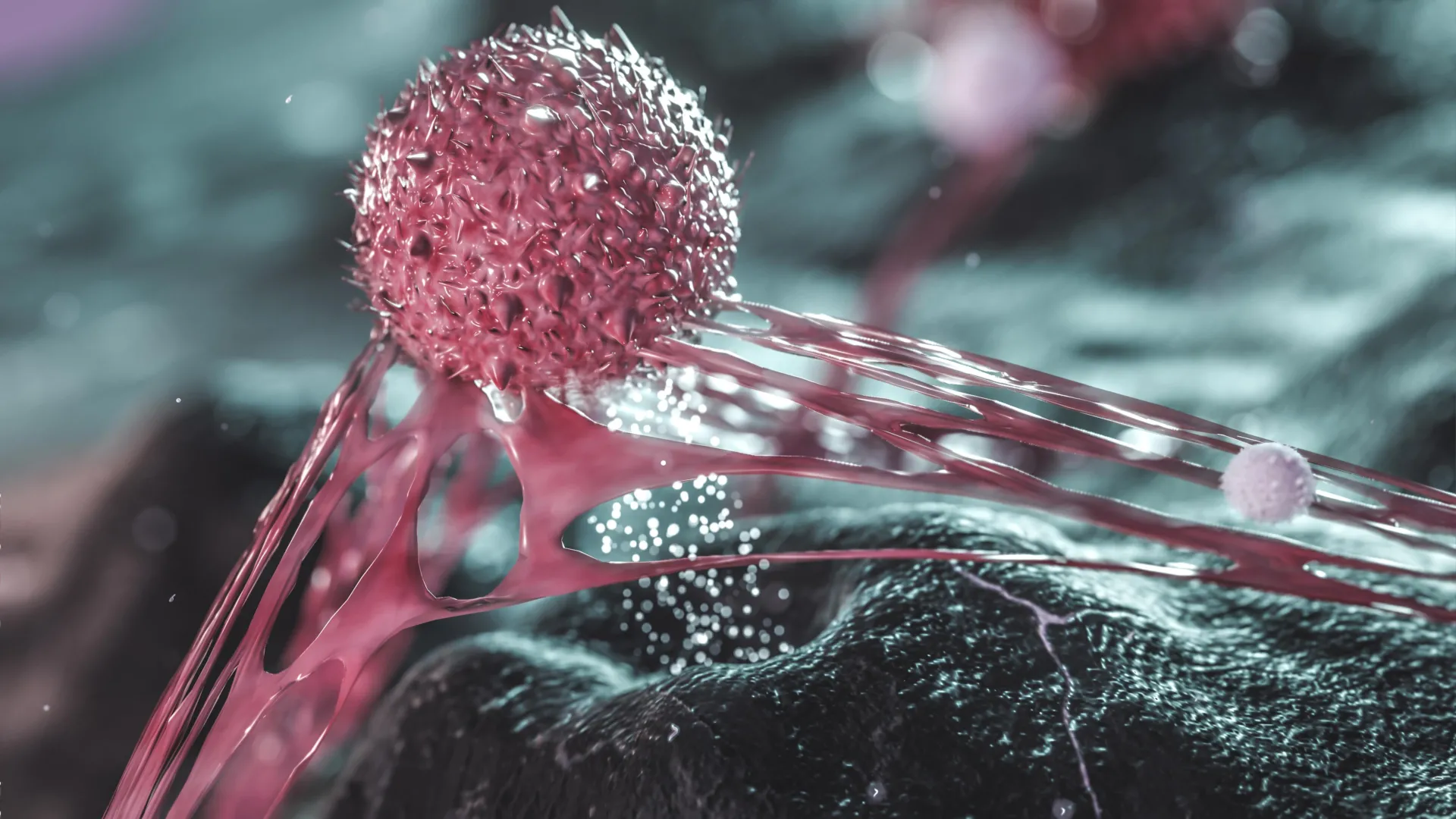
Scientists have uncovered a novel mechanism by which the sugar fructose can facilitate the dissemination of aggressive ovarian tumors. Experiments reveal that ovarian cancer cells that persist after chemotherapy start releasing fructose, which subsequently disrupts the molecular adhesions that normally bind adjacent cells, opening a route for the cancer to spread.
The investigators detected this behavior in ovarian cancer cells grown in vitro and validated it in mouse models. Introducing fructose into the tumor milieu caused cancer cells to lower their adhesion‑protein levels and become more motile, whereas inhibiting fructose entry re‑established tighter cell‑cell contacts and curtailed invasive activity.
Ovarian cancer continues to be among the most lethal gynecologic cancers, chiefly due to its frequent late‑stage diagnosis and its propensity to return following conventional platinum‑based chemotherapy. Metastasis—the spread of cancer from the ovary to the peritoneal cavity and distant sites—is the chief cause of unfavorable prognoses. Consequently, deciphering how residual tumor cells reshape their microenvironment is a vital research focus.
Metabolic reprogramming characterizes cancer, as numerous tumors depend heavily on glucose for energy and biosynthetic needs. Fructose—a sweetener prevalent in sodas, desserts, and processed foods—has garnered comparatively little focus in oncology. The present results indicate that, besides functioning as a nutrient, fructose may serve as a signaling agent that modifies the tumor microenvironment, promoting the detachment and movement of malignant cells.
These observations suggest that dietary fructose consumption might affect disease progression, even though the research does not prove a direct connection between intake and patient results. More directly, the study highlights possible therapeutic avenues: targeting enzymes and transporters responsible for fructose entry, like GLUT5, could strengthen cell adhesion and hinder metastatic spread.
The authors warn that the experiments were performed under controlled laboratory conditions and that human biology is considerably more intricate. Clinical trials will be required to assess whether lowering fructose exposure—or pharmacologically inhibiting its pathway—offers tangible benefits for ovarian‑cancer patients receiving chemotherapy.
Upcoming studies will seek to confirm the mechanism in larger animal models and investigate whether comparable fructose‑driven mechanisms operate in other highly metastatic cancers. Should the association be confirmed, it may pave the way for adjunctive therapies that pair metabolic disruption with current chemotherapy protocols, providing renewed optimism for better survival in a disease that has long vexed clinicians.


Comments (0)
Be the first to comment.
Join the discussion