Reduced September Calendar Gives Crypto CLARITY Act Narrow Path Before Midterms
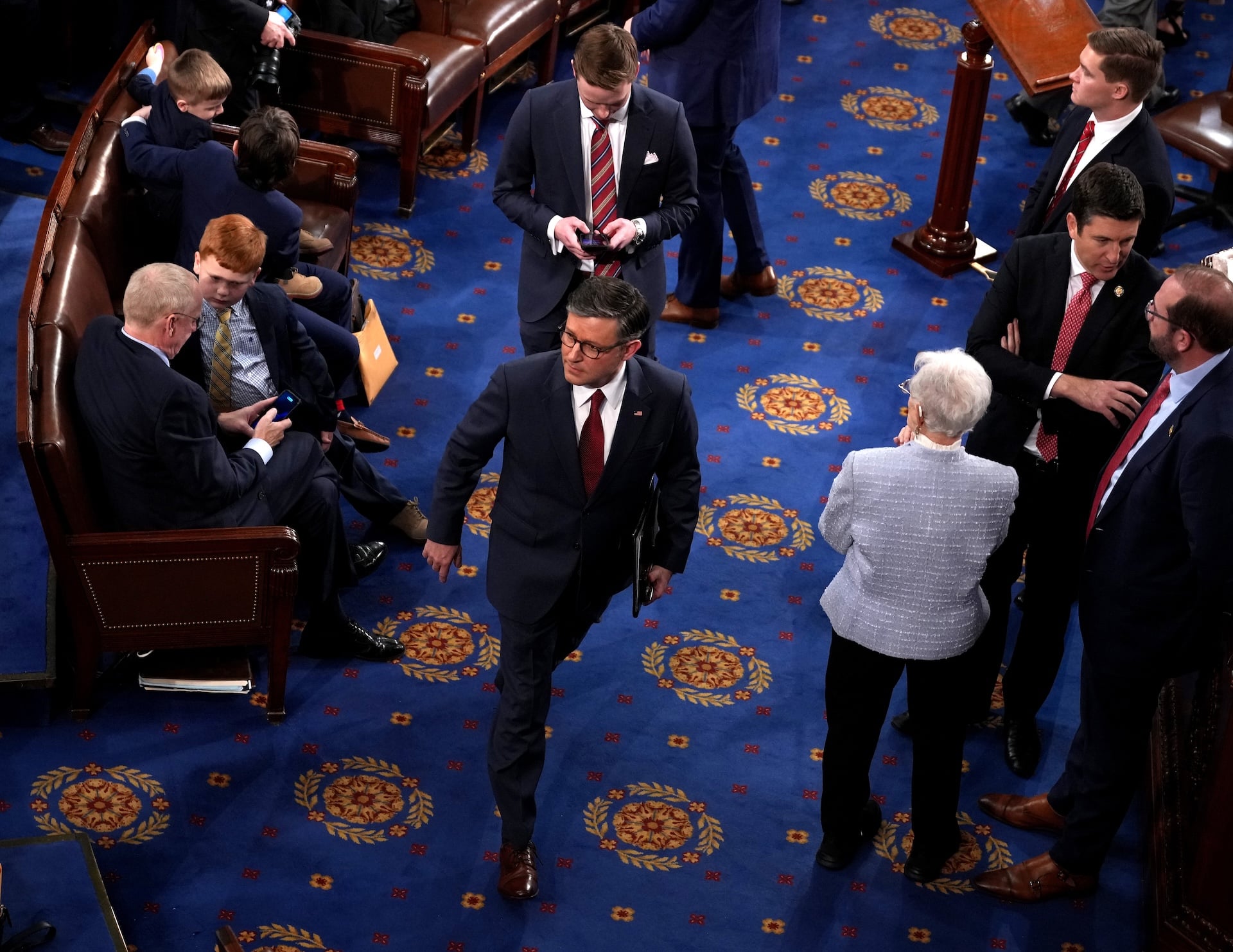
The United States House of Representatives has trimmed September’s schedule to merely four days of floor votes, a decision that sharply compresses the already limited window for the crypto sector’s flagship proposal, the CLARITY Act, to advance through Congress prior to the forthcoming midterm elections.
First introduced last year, the CLARITY Act aims to create a more transparent regulatory regime for digital assets, tackling the persistent uncertainty that has stifled investment and innovation within the industry. By delineating the authority of current financial regulators and prescribing compliance standards, the legislation intends to supplant the fragmented state‑by‑state rules and ad‑hoc enforcement with a cohesive national framework.
House leaders said the move to condense September’s agenda stems from an overloaded legislative calendar and a desire to concentrate on budget and election‑related issues. With merely four days set for votes, members are forced to prioritize a small slate of measures, leaving the CLARITY Act—still pending approval from the House Judiciary Committee—in a race against a timetable that provides scant flexibility.
The timing is pivotal, as the House usually wraps up the bulk of its legislative work before the November elections; a new Congress then assembles and could revisit any stalled bills. Should the CLARITY Act fail to obtain a floor vote this month, it may be postponed indefinitely, forcing the industry to remain under the present vague regulatory landscape for the duration of the election cycle.
Advocates within the industry voiced frustration, pointing out that the truncated calendar erodes months of lobbying and stakeholder outreach. Trade associations cautioned that extended uncertainty might discourage investment and impede the growth of blockchain‑based services, particularly as rival jurisdictions advance with clearer regulations.
Going forward, the bill’s backers could try to move the conversation to the Senate, where a distinct but related crypto‑centric proposal is being examined, or they might refile the measure in the next congressional term. At present, the CLARITY Act’s destiny depends on whether any of the four remaining voting days can host a floor debate and vote before the political calendar shuts for the year.


Comments (0)
Be the first to comment.
Join the discussion