RayNeo Redefines Wearable Tech with Camera-Free Smart Glasses Aimed at Privacy
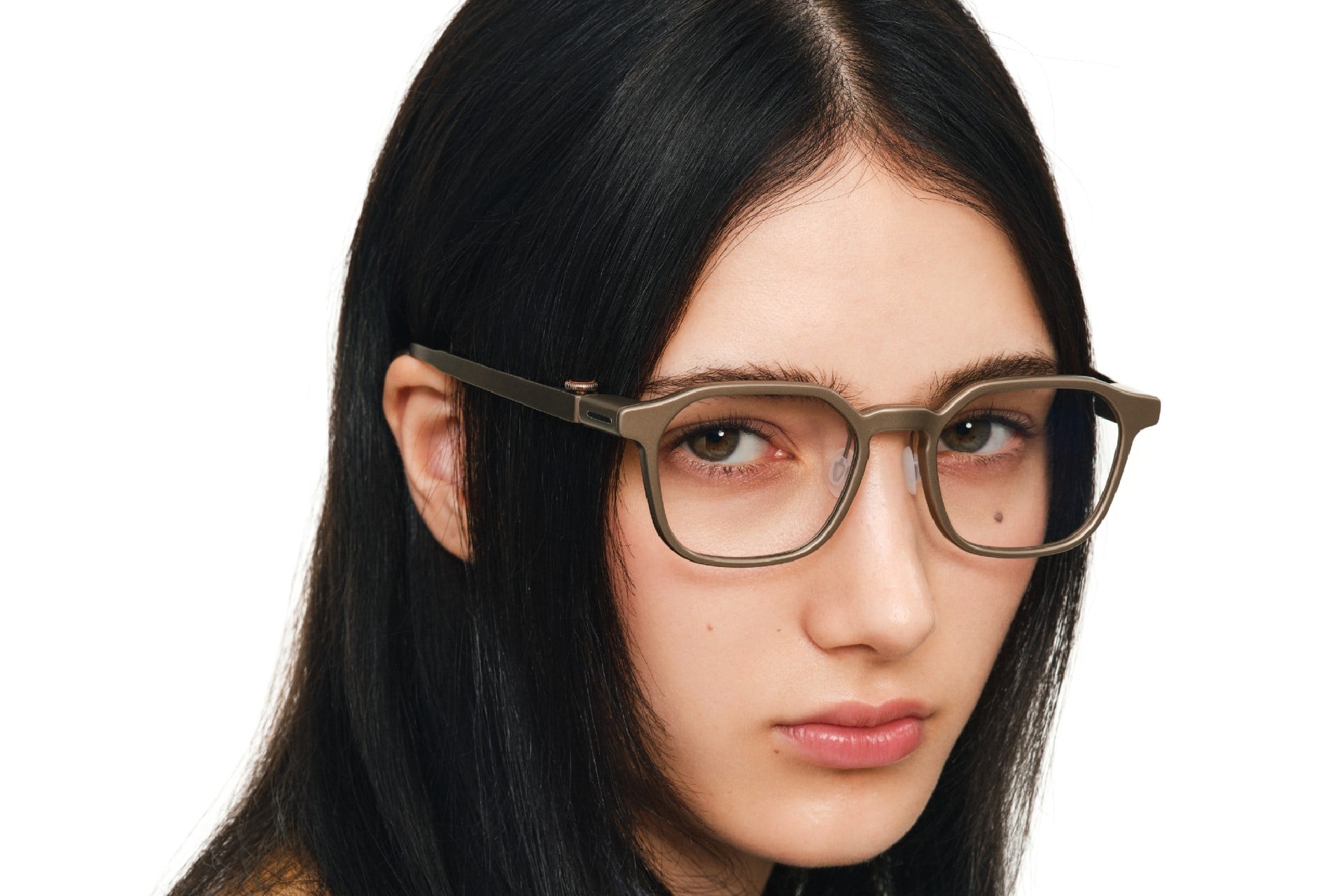
Wearable tech developer RayNeo has debuted its latest smart glasses, choosing to completely exclude a built-in camera in a striking design move. This deliberate strategy points to a possible pivot in how tech brands navigate the developing smart eyewear sector, placing an explicit focus on personal and societal privacy.
By removing the camera, the product directly confronts a major obstacle that plagued previous generations of smart eyewear, including the highly discussed Google Glass. Hardware featuring recording functions frequently triggered intense debates and worries regarding privacy violations, resulting in societal skepticism and bans in various venues. RayNeo's current strategy seems to be a straightforward reaction to these past challenges, designed to bypass typical consumer pushback.
Without an integrated lens, RayNeo's latest device seeks to reframe the fundamental purpose of smart eyewear. Rather than capturing media, the priority pivots toward alternative augmented reality (AR) and wireless connectivity functions. Wearers can look forward to smooth integration with their daily digital routines via heads-up displays displaying alerts, GPS guidance, and perhaps upgraded audio features, completely free from the anxiety of accidental or hidden filming.
This particular design ethos sets RayNeo apart in a rapidly growing sector. Even as rival tech firms investigate how cameras might improve AR functionality, RayNeo is establishing a unique space by emphasizing subtlety and wearer comfort in public environments. This distinction may serve as a major selling point for prospective buyers who have previously avoided smart glasses over surveillance worries.
Observers in the tech sector will keep a close eye on whether RayNeo's camera-free approach wins over consumers. If these glasses find success with a wider demographic, other hardware makers might be prompted to rethink their product designs, potentially triggering a broader industry shift toward privacy-oriented wearables. Such a transition could foster a more varied marketplace for smart glasses that serves contrasting consumer needs.
Although omitting the camera solves a prominent ethical issue, it simultaneously introduces a new array of obstacles and prospects. The brand must successfully articulate the benefits of eyewear that leaves out a standard smartphone capability, emphasizing its distinct advantages in fields like low-profile data display or hands-free utility, all while avoiding any association with 'snooping' behavior.
The daring choice by RayNeo to release camera-free smart glasses displays a deliberate rethinking of what buyers actually want from wearable electronics. By directly addressing surveillance anxieties, the firm is striving to pave the way for broader adoption and daily use of smart eyewear, potentially establishing a fresh benchmark for ethical advancement in the industry.



Comments (0)
Be the first to comment.
Join the discussion