Public Bans on AI‑Powered Smart Glasses Rise Amid Privacy and Safety Fears
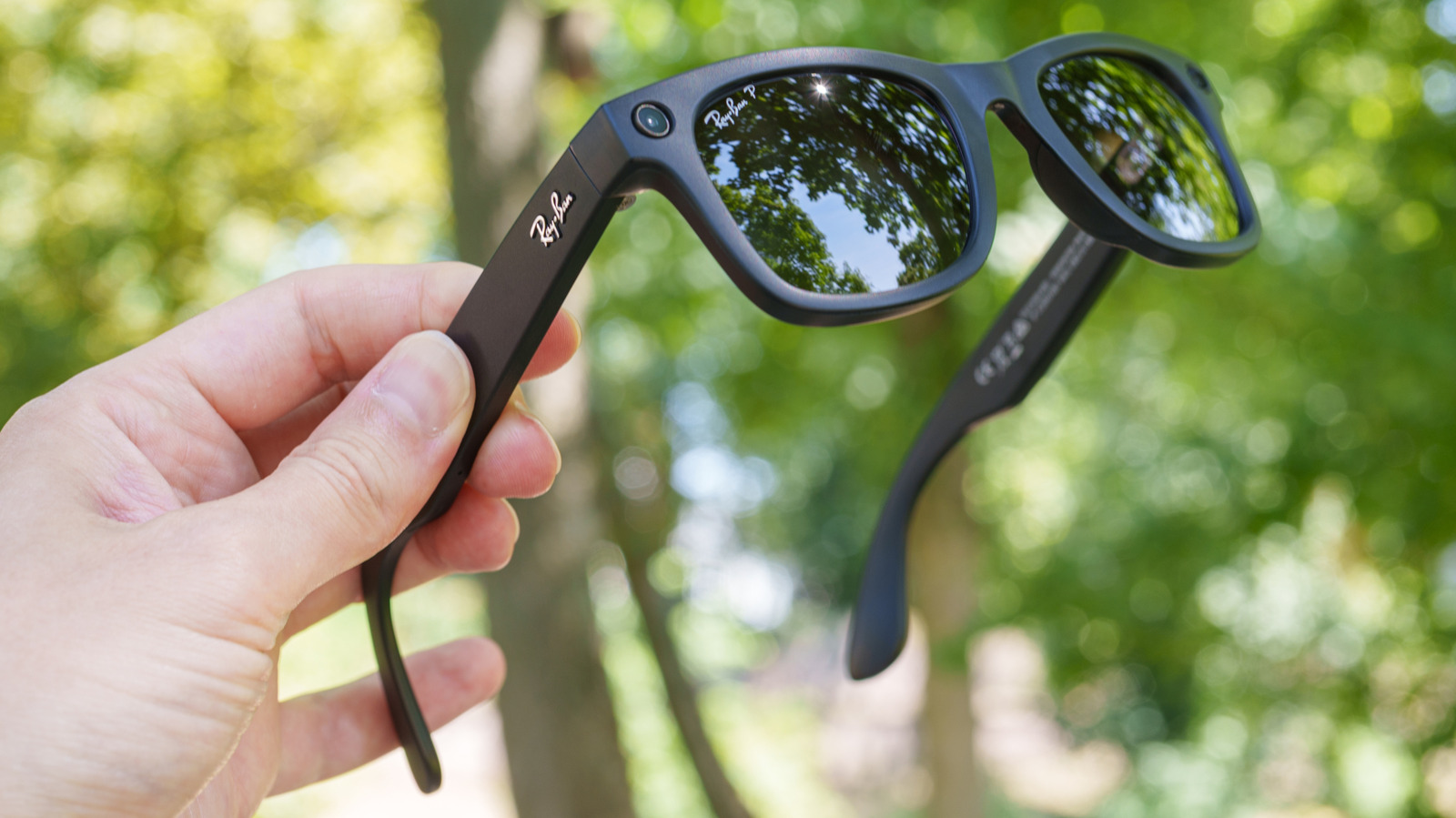
Cities, school districts and cultural institutions throughout the United States are increasingly outlawing AI‑driven smart glasses in shared spaces, warning that the gadgets could record video or audio without permission and perform instant data extraction that jeopardizes privacy and security.
The wave started in courtrooms, where judges and lawyers contended that covert, wearable cameras might compromise the integrity of trials and reveal confidential testimony. Following that, school boards have enacted similar prohibitions, arguing the technology could aid cheating on tests or enable unwanted monitoring of students.
Theaters and other entertainment sites have also added themselves to the ban list, noting that AI glasses could capture performances in high‑definition and distribute them instantly, infringing on creators' intellectual‑property rights and detracting from the audience experience. Operators point out that the devices’ capacity to overlay subtitles, translate dialogue, or identify actors in real time raises fresh copyright issues that current policies do not cover.
Supporters of the restrictions cite a wider unease about wearable AI. These glasses merge augmented‑reality displays with on‑device processing capable of facial recognition, license‑plate reading and conversation transcription, all while looking like ordinary spectacles. Privacy advocates maintain that such functions make it hard for bystanders to tell when they are being recorded, contradicting established expectations of consent in public venues.
Industry voices acknowledge the regulatory pressure yet warn that outright bans could choke innovation. Some manufacturers are testing optional hardware switches or software alerts that indicate when recording is active, aiming to meet privacy demands without pulling the product from the market. Legal scholars foresee future court decisions clarifying the rules, possibly mandating clear signage or consent procedures before AI glasses are permitted in sensitive locations. For now, the growing list of prohibitions reflects a cautious stance as lawmakers and private operators balance technological progress with the public’s right to privacy.

Comments (0)
Be the first to comment.
Join the discussion