Polish study finds propolis extract boosts antifungal effectiveness against yeast in vitro
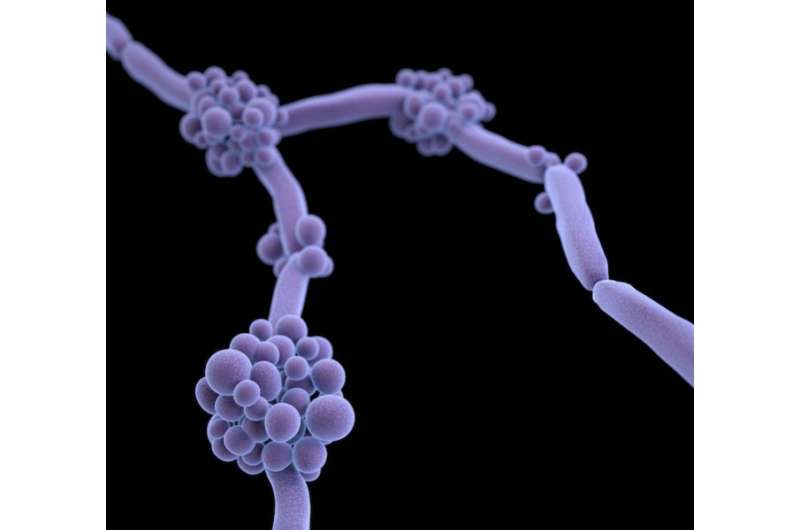
A team of Polish scientists demonstrated that an ethanol‑based propolis extract—the sticky resin gathered by honeybees—enhances the potency of a widely used antifungal drug in laboratory tests against yeast pathogens.
The research examined how the propolis extract interacts with a range of antifungal agents employed against infections by yeasts like Candida species. Although propolis has traditionally been noted for its antimicrobial effects, these findings reveal that it can work synergistically with conventional drugs, boosting their capacity to curb fungal proliferation.
Laboratory (in‑vitro) tests showed that pairing the propolis extract with the antifungal lowered the minimum inhibitory concentration required to halt yeast growth, a marked reduction relative to the drug by itself. The investigators termed this a “significant synergistic interaction,” implying the natural substance could permit smaller therapeutic doses.
Propolis, composed of plant resins, waxes and various bioactive molecules, has featured in folk medicine for hundreds of years. Its antimicrobial power stems from flavonoids, phenolic acids and related compounds that can damage microbial cell walls and perturb metabolic routes. When these actions are combined with the mechanisms of contemporary antifungals, the extract seems to deliver a multi‑faceted attack on the fungus.
These results emerge as antifungal resistance escalates into a serious medical issue. Infections involving drug‑resistant Candida are hard to treat, particularly in patients with weakened immune systems. Consequently, any approach that can revive or boost the effectiveness of current medications draws attention from clinicians and pharmaceutical researchers.
While the data are encouraging, the authors warn that the investigation is still confined to the lab. Additional research must verify safety, ideal dosing and therapeutic benefit in animal models before proceeding to human trials. Moreover, propolis’s intricate makeup complicates standardisation, since its chemical signature shifts with geography and source plants.
Should subsequent studies confirm these preliminary findings, propolis‑derived adjuvants might serve as an inexpensive, natural addition to standard antifungal regimens. This strategy would fit within wider initiatives to incorporate phytochemicals into contemporary healthcare while curbing the need for higher drug doses that can produce adverse effects.
At present, the work contributes to an expanding collection of evidence that bee‑derived products possess untapped promise in combating infectious illnesses, highlighting the value of investigating natural compounds as allies to current pharmaceuticals.


Comments (0)
Be the first to comment.
Join the discussion