Polestar Introduces New Metrics to Quantify the Excitement of Performance Driving
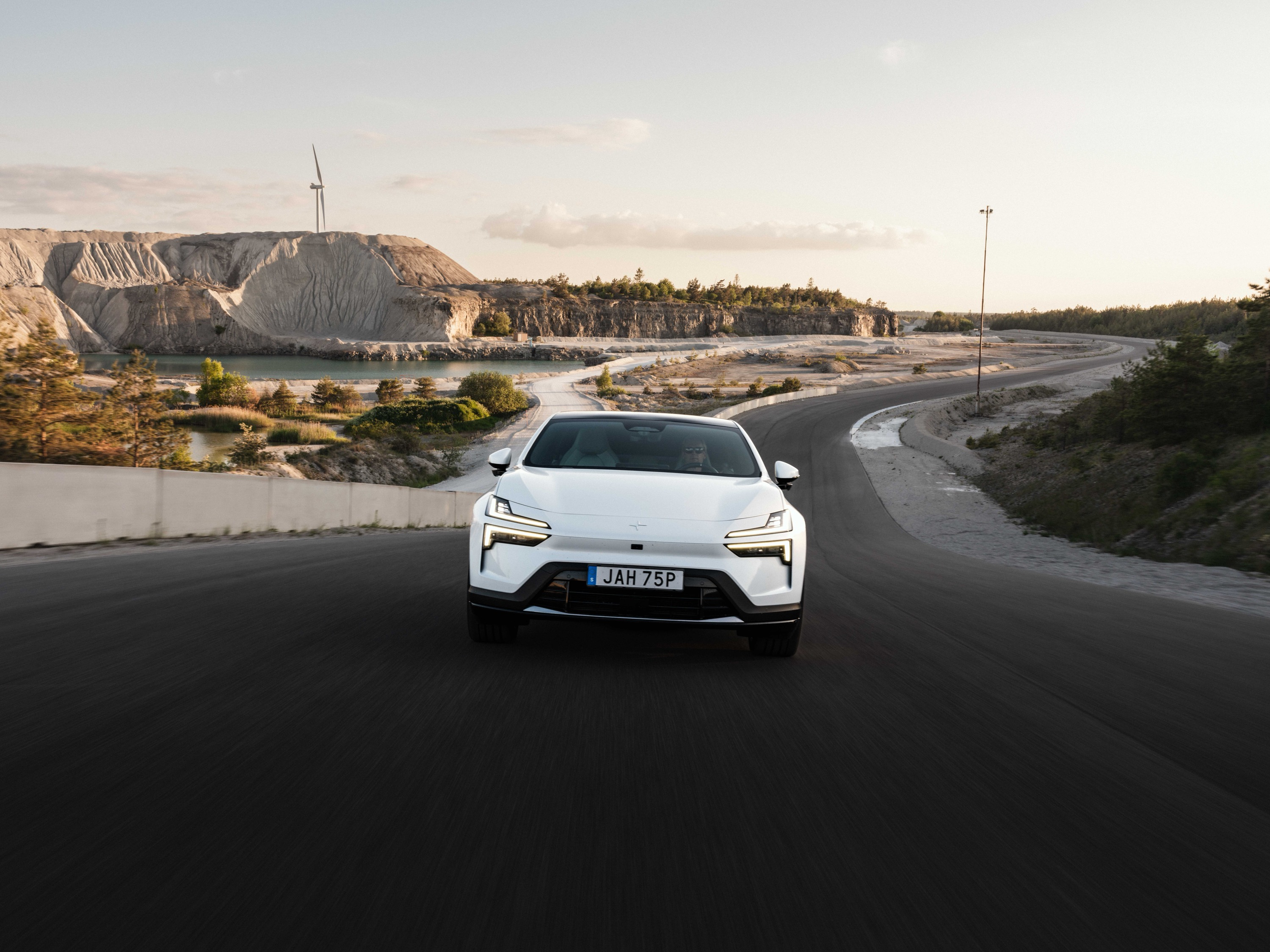
Swedish EV manufacturer Polestar is unveiling a collection of data‑centric instruments that convert the personal sensation of speed into measurable figures, intended to provide drivers with a sharper understanding of what renders a performance car thrilling.
The project taps into humanity’s age‑old obsession with velocity, a interest that stretches back to early nomads who first galloped on horses across the Pontic‑Caspian steppe. By turning that instinctive drive into contemporary telemetry, Polestar aims to link pure feeling with quantifiable performance.
Polestar’s engineers say the fresh system records multiple variables—such as acceleration profiles, engine‑note frequencies, and driver‑modulated torque output—and runs them through proprietary algorithms. The resulting data appear on the car’s infotainment display as a live “excitement score,” indicating how well the present driving moment matches the brand’s performance standards.
Unlike conventional performance numbers like 0‑to‑60 times or top‑speed records, which measure only objective results, Polestar’s method highlights qualitative driving traits—how swiftly the vehicle reacts to throttle commands, the crispness of its handling, and the sound feedback that adds to the overall excitement.
Analysts suggest that this step could alter the way makers promote high‑performance electric cars, a market that has expanded quickly as buyers look for eco‑friendly yet lively driving experiences. By offering a uniform language for “driving pleasure,” Polestar might allow more substantive cross‑brand comparisons that have traditionally depended on subjective marketing.
Critics, however, warn that distilling an emotional experience into a single number could oversimplify what many enthusiasts value in performance automobiles. They contend that individual tastes, road environments, and even cultural influences affect the experience in ways raw data cannot wholly represent.
Polestar intends to fine‑tune the system using driver input and roll it out across its forthcoming model range. Should it prove effective, the technology could set a fresh industry benchmark, delivering a data‑driven story that aligns with the enduring human urge to experience the surge of speed.



Comments (0)
Be the first to comment.
Join the discussion