Pixel Phones Get Desktop-Like Experience When Connected to a Monitor
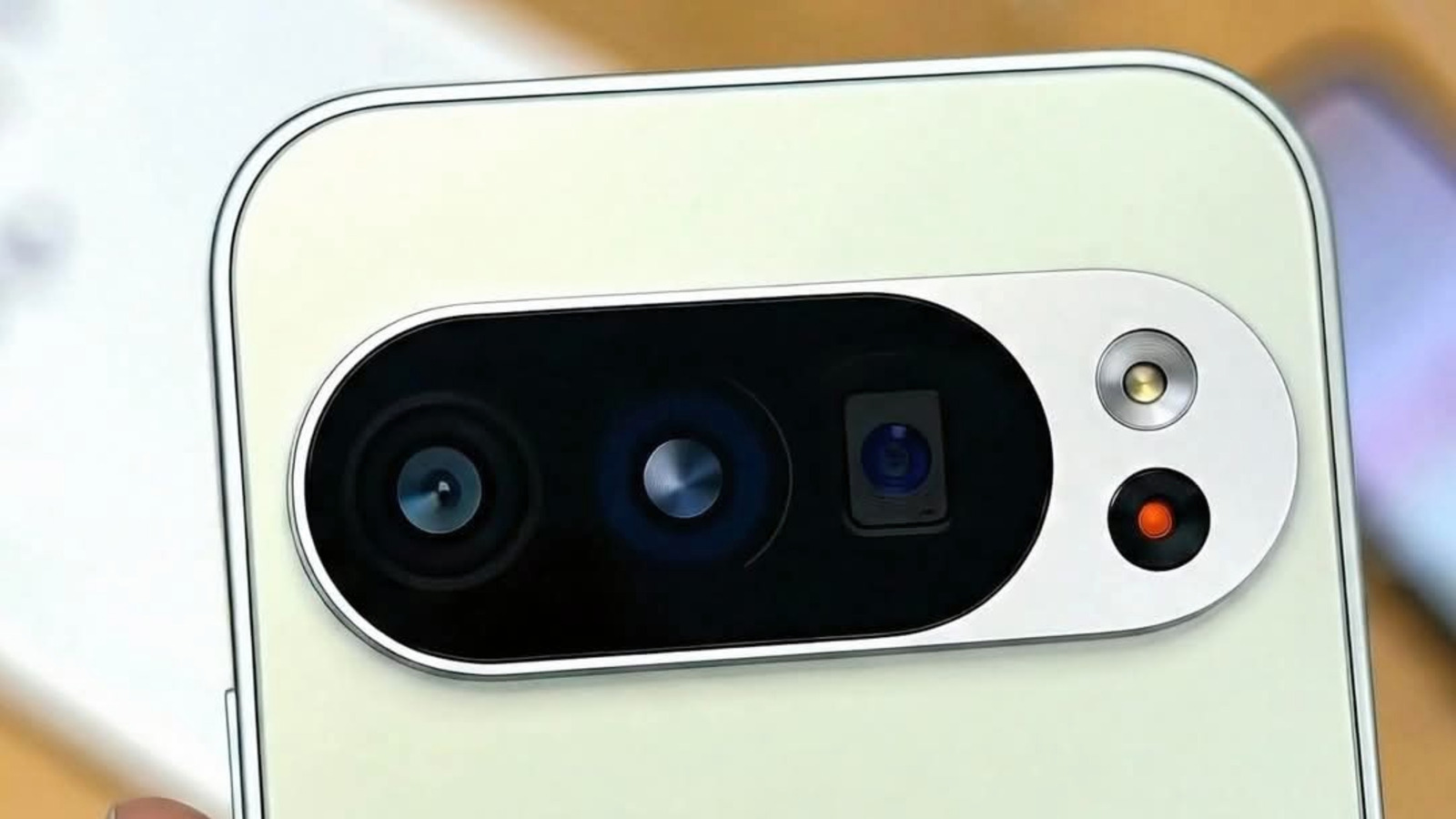
Google’s newest Pixel series can also function as a small desktop PC, courtesy of Android’s Desktop mode that kicks in once the phone is linked to an external screen. Connecting a Pixel to a monitor through USB‑C brings up a windowed, computer‑style UI with multitasking, adjustable app windows and a taskbar, essentially converting the device into a miniature workstation.
Introduced with Android 12L and polished in later releases, the feature targets big displays like TVs, monitors, and even certain car infotainment units. When a supported Pixel—be it the Pixel 7, Pixel 7 Pro, or the newer Pixel 8 lineup—is attached to a screen, Android automatically flips to a landscape arrangement tuned for mouse and keyboard use. Users may connect Bluetooth devices or employ a USB hub to add a keyboard and trackpad, producing a configuration that mimics a conventional desktop.
Though it looks similar to Samsung’s DeX, Android’s Desktop mode differs because it runs the native Android applications directly, without an extra OS layer. Apps built for resizable windows stretch to occupy the full monitor, whereas those that aren’t will stay in a reduced, phone‑sized pane. Consequently, a wide range of Android apps operate immediately, though productivity suites such as Google Docs, Chrome and Gmail gain the greatest advantage from the expanded screen real estate.
Analysts suggest the function may attract people who want occasional computing without lugging a laptop. Students, remote employees, and travelers can assemble a portable workstation in a café or hotel room simply by linking a Pixel to a monitor and plugging in a keyboard. Because the required gear is usually just a USB‑C cable and an existing monitor, the setup presents a cost‑effective option compared with pricier thin‑client alternatives.
Still, the desktop mode cannot completely supplant a traditional PC. Its speed is limited by the phone’s CPU and memory, and some desktop‑class programs are still missing from Android. Moreover, the mode draws power from the phone’s battery unless a powered dock is employed, and a number of apps haven’t been fine‑tuned for the enlarged interface, sometimes causing scaling glitches.
Google has signaled that upcoming releases will expand app support and add more sophisticated multitasking gestures, indicating the desktop mode could become a core element of Android. As the distinction between mobile and desktop devices fades, turning a smartphone into a capable workstation may soon be a baseline expectation for premium Android phones.
Comments (0)
Be the first to comment.
Join the discussion