Peter Jackson Obtains Rare Moa Egg, One of Fewer Than 40, to Bring Back to New Zealand
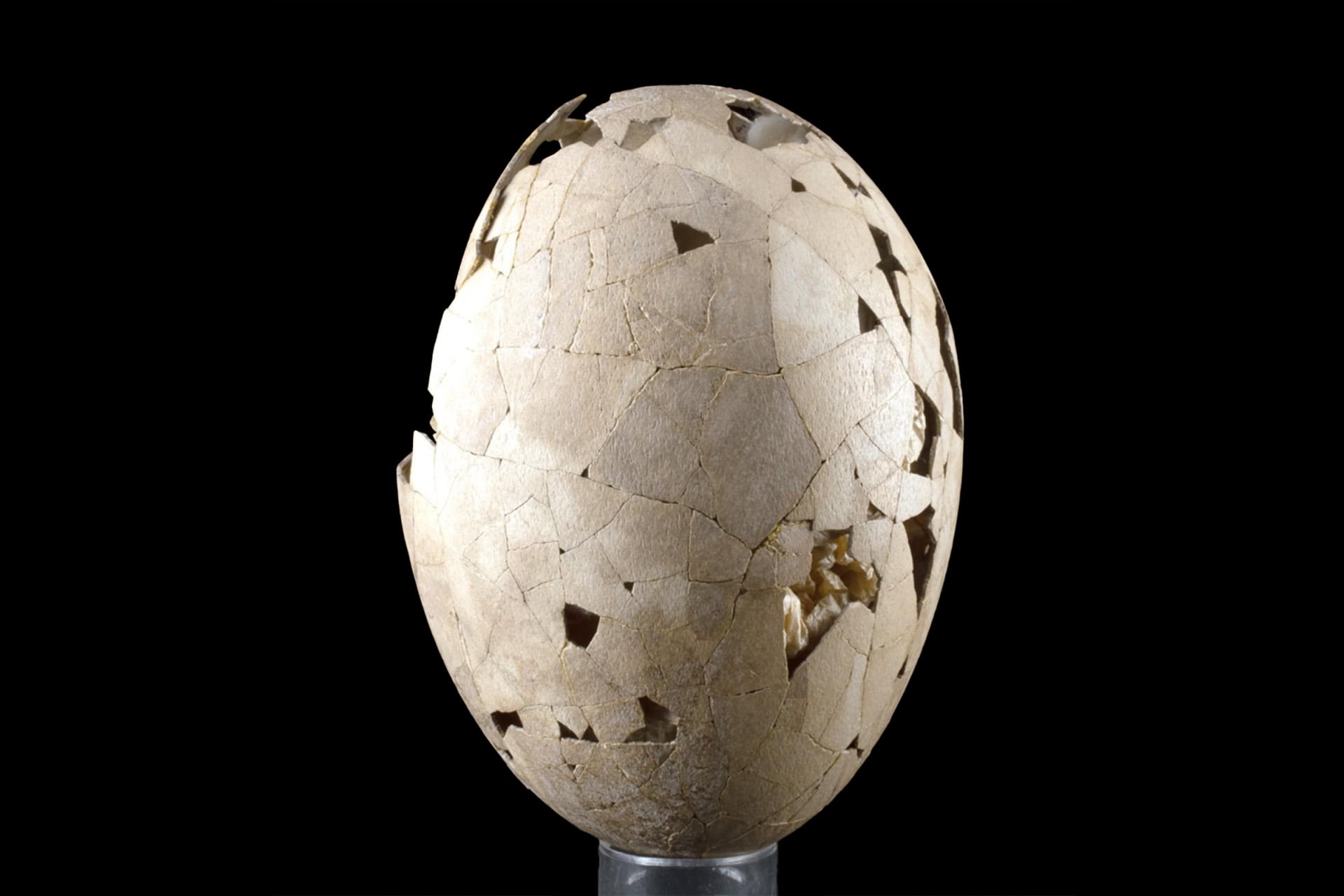
Renowned filmmaker Sir Peter Jackson proved crucial in returning an ultra‑rare moa egg to its homeland, acquiring the ancient relic after it emerged at a Colorado gallery auction earlier this month.
The egg, which came from the extinct, flightless bird that once inhabited New Zealand’s forests and plains, ranks among fewer than 40 specimens known to exist worldwide. After the Colorado gallery put the artifact up for sale in June, a consortium that features a de‑extinction biotechnology startup intervened, with Jackson contributing his name and sway to the cause.
Jackson, best known for directing the award‑winning "Lord of the Rings" trilogy, has long championed New Zealand’s natural heritage. His participation rallied private benefactors and scientific collaborators who regarded the egg’s return as both a cultural triumph and a valuable research resource for ongoing de‑extinction dialogue.
De‑extinction firms, seeking to revive characteristics of extinct species via cutting‑edge genetic methods, consider the moa a flagship candidate. Although no concrete cloning plans have been disclosed, the egg’s repatriation supplies a scarce source of DNA that could guide future research into the bird’s genetics and evolutionary past.
New Zealand’s Ministry for Culture and Heritage praised the development, stating that the egg will reside in a national museum and be exhibited together with educational displays on the moa’s significance in Māori history and the wider ecological consequences of its 15th‑century disappearance.
Experts warn that the egg’s scientific worth is constrained by its age and condition, yet they stress that every new specimen aids in bridging gaps in the fragmented record of the bird’s biology. The museum intends to carry out non‑invasive imaging and DNA extraction trials while adhering to rigorous conservation protocols.
The Colorado auction ignited a debate among collectors regarding the ethics of trading extinct‑fauna artifacts. Jackson’s involvement highlights an emerging pattern of high‑profile individuals leveraging their influence to steer such objects toward public institutions, contending that cultural artifacts should reside in the public domain rather than private collections.
Now that the moa egg has found its new home, the episode underscores the convergence of cinema, science, and heritage preservation. Although the possibility of reviving the moa stays speculative, the egg’s passage from a U.S. gallery to a New Zealand museum illustrates how collaborative initiatives can protect irreplaceable fragments of natural history for generations to come.



Comments (0)
Be the first to comment.
Join the discussion