Parrot’s Replicated Cough Sparks Renewed Discussion on Animal Schadenfreude
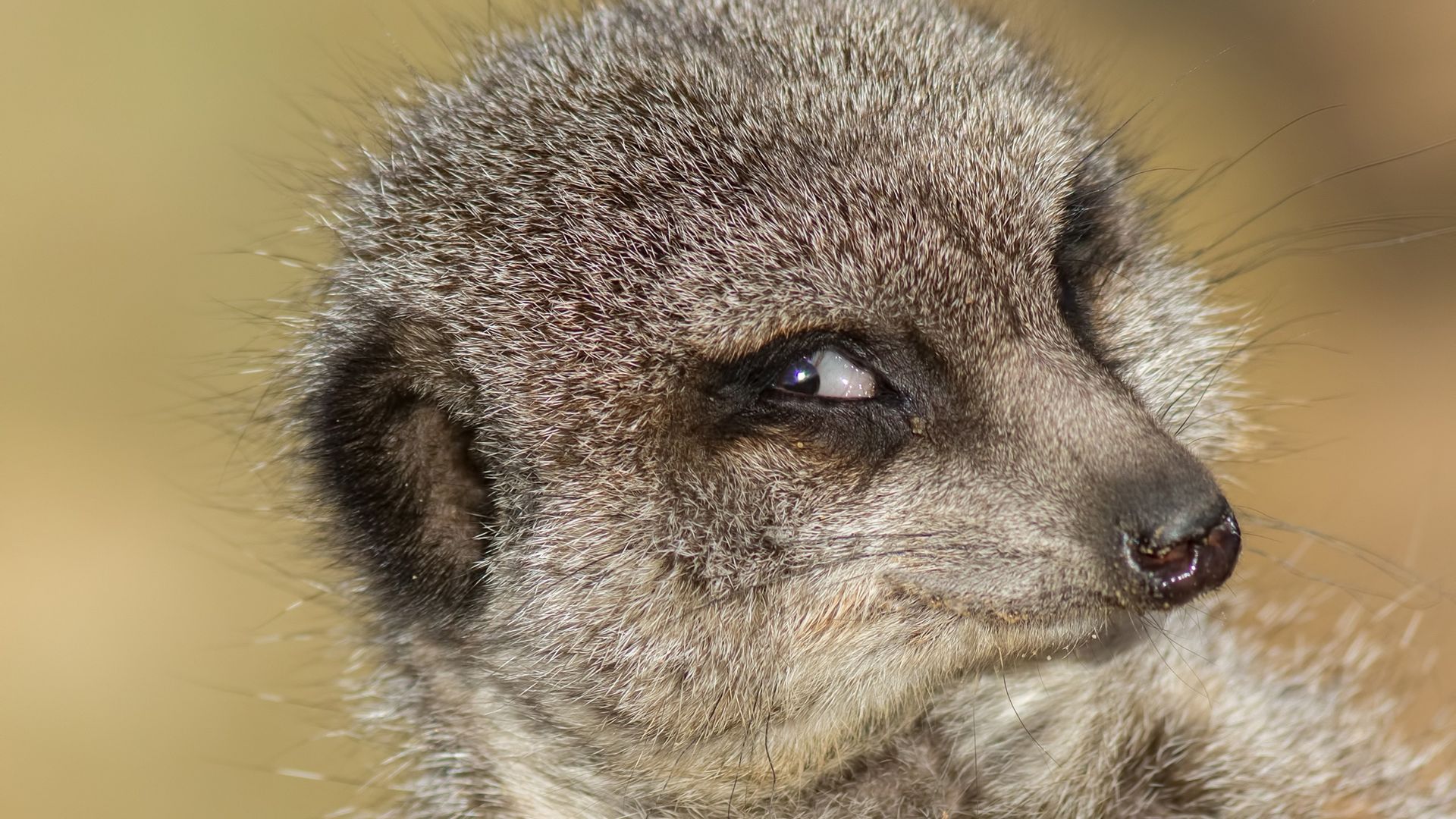
In 2023, a clip showing an African gray parrot called Jack copying the strained coughs of her owner’s father spread widely online, leading both researchers and laypeople to question if animals are capable of schadenfreude—the enjoyment taken from another’s hardship.
In the footage, Jack sits next to a man suffering from severe chronic obstructive pulmonary disease, his breathing heavily impaired. While the man labors to utter words, the parrot mirrors the wheeze and cough with startling precision, interrupting the mimicry with a brief, seemingly amused squawk. Audiences called the scene both eerie and strangely funny, igniting a torrent of remarks that speculated on the bird’s intent.
The word schadenfreude, originating from German psychological literature, describes a particular affective reaction that researchers have charted in humans using neuroimaging and behavioral experiments. It generally entails the stimulation of brain reward circuits when witnessing someone else’s failure, particularly if the observer deems the person deserving of the misfortune.
Studies of animal affect have recorded a spectrum of sophisticated emotions, such as empathy among elephants and jealousy in dogs. Certain primate investigations have noted individuals seeming to take pleasure in rivals’ defeats, yet these readings are disputed since visible actions may arise from various non‑emotional motivations.
Specialists warn against over‑interpreting Jack’s display. African gray parrots are famous for their ability to echo sounds and frequently reproduce noises that draw human attention. The parrot’s copying of the cough might merely be a conditioned behavior that brings social engagement or rewards, not necessarily a sign of enjoyment at the man’s suffering.
This incident highlights a wider difficulty in the study of animal cognition: separating authentic emotional states from learned or opportunistic actions. Precise evaluation is crucial for welfare regulations, since recognizing intricate feelings could influence how communities handle captive and pet species.
Upcoming research will probably employ controlled trials that tease apart factors like anticipated reward, presence of observers, and the animal’s previous encounters with the subject’s distress. By concurrently tracking physiological indicators and behavioral signals, scientists aim to determine if non‑human creatures can feel the subtle delight that characterizes human schadenfreude.
Until those findings emerge, Jack’s internet‑famous episode stands as a striking example of how one animal’s behavior can revive long‑standing debates about the inner experiences of the species we coexist with.


Comments (0)
Be the first to comment.
Join the discussion