Optics11, Dutch Company, Attracts Navies Worldwide with Long‑Range Sub‑Sea Surveillance System
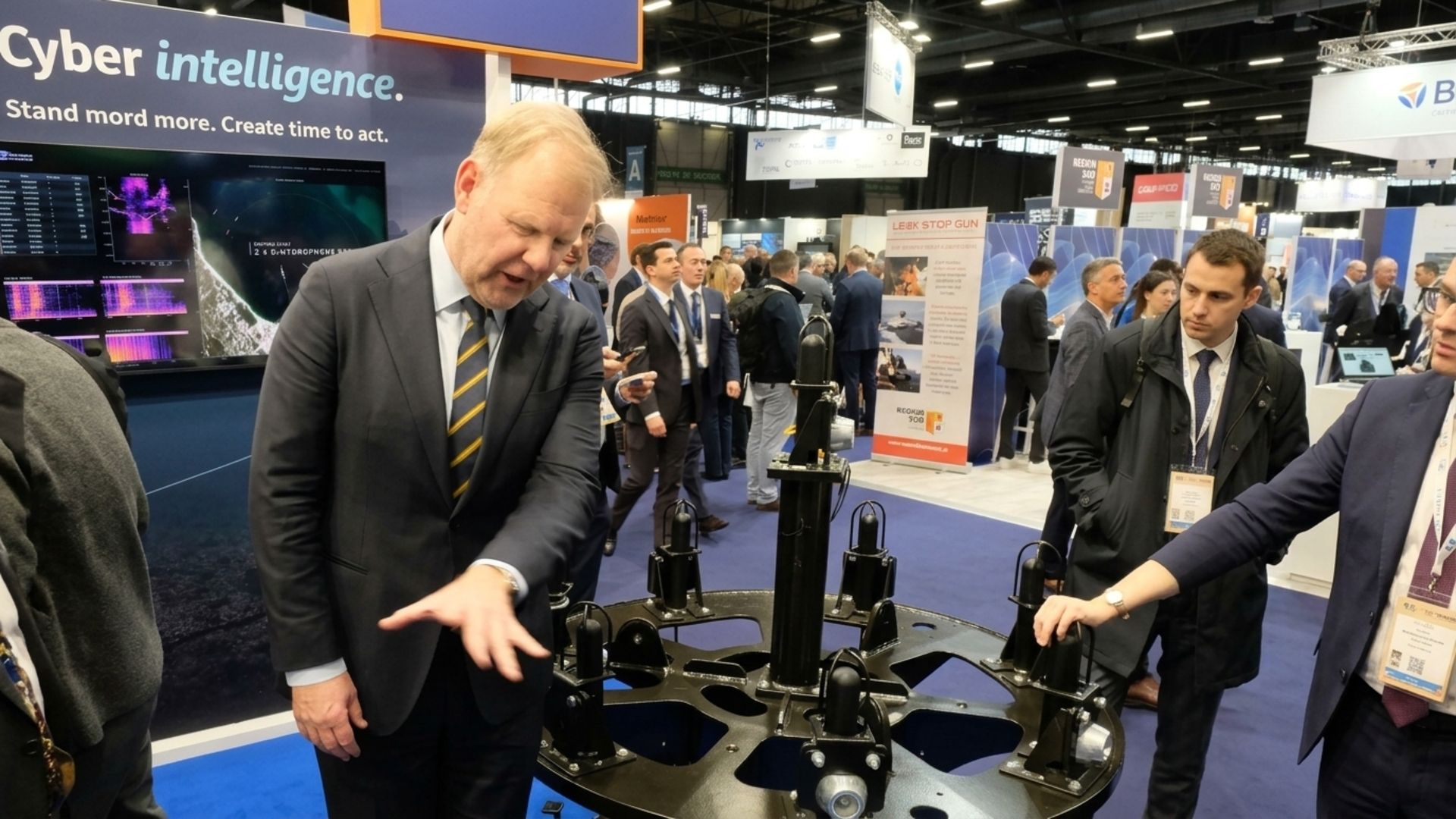
The European defence‑technology firm Optics11 is quickly emerging as a key player in naval buying programs, with dozens of navies across the globe assessing its underwater surveillance system that claims to spot large surface ships—including oil tankers—at distances of up to 100 kilometres.
Based in the Netherlands and worth more than a billion dollars, the company has already secured commitments from five to ten naval clients, a number that analysts interpret as a sign of robust early uptake in a sector long‑run by bigger, established suppliers.
The technology employs a lattice of acoustic and optical detectors that may be laid on the seabed or towed behind ships. Optics11 asserts that these sensors can discern the acoustic signature and hull echo of large commercial vessels from ranges that surpass those of many current maritime surveillance tools.
The growing attention to the platform mirrors wider strategic changes. Countries are becoming more worried about hidden submarine operations, illegal fishing, and the protection of vital shipping routes that carry energy commodities. Being able to watch high‑value assets like oil tankers from a secure stand‑off provides navies with a low‑intrusion way to sustain maritime domain awareness, reducing dependence on satellite pictures that suffer from weather interference and infrequent overpasses.
Although the precise roster of prospective buyers is not public, insiders say that both NATO allies and non‑aligned states are currently negotiating with Optics11. The company's presentation highlights the system’s modular nature, enabling clients to adjust the sensor field to the dimensions of their maritime areas, as well as a low‑maintenance architecture that cuts life‑cycle expenses versus conventional sonar packages.
Experts point out that Optics11’s method may contest the supremacy of fiber‑optic cable surveillance networks, which, while offering high bandwidth, are prone to physical harm and demand extensive seabed laying. In comparison, the firm’s acoustic‑optical hybrid detectors can be placed more flexibly and face lower risk of sabotage or inadvertent breakage.
Looking forward, Optics11 intends to start full‑scale manufacturing later this year, aiming to embed its system within current naval command‑and‑control frameworks. The firm also alluded to upcoming enhancements that would use AI‑powered pattern‑recognition to improve target discrimination.
If the technology lives up to its promised performance, it may transform the way navies distribute resources for maritime monitoring, potentially triggering a surge of procurement deals and igniting competition among defence contractors to produce similar long‑range, low‑signature detection systems.


Comments (0)
Be the first to comment.
Join the discussion