OpenAI’s Meeting‑Room Audio Flaw Exposes $13.99 DIY Spy Device for Hobbyists
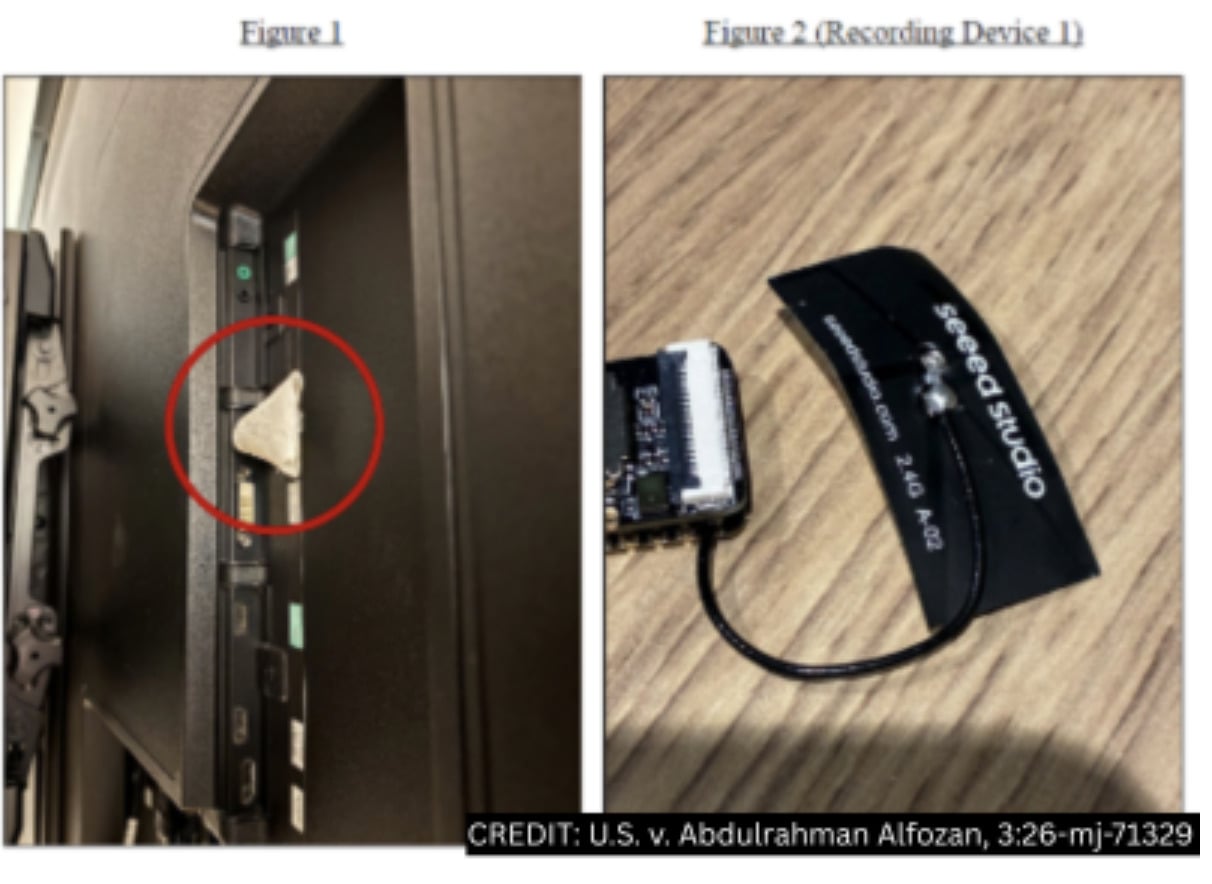
A recent audit by OpenAI’s internal security group revealed a “sophisticated” audio vulnerability inside its own conference room, pinpointing the cause to a miniature development board available online for merely $13.99.
The culprit is Seeed Studio’s XIAO ESP32‑S3 Sense, a pocket‑sized board that houses dual microphones, Wi‑Fi, Bluetooth and an ESP32‑S3 microcontroller. Targeted mainly at makers, educators and hobbyist developers, the module is marketed for applications ranging from voice‑activated devices to experimental AI projects.
According to the findings, OpenAI’s team spotted the issue during a review of the room’s audio setup. When loaded with custom firmware, the XIAO board can relay raw sound to a remote server without setting off typical security alarms, effectively converting an innocuous development kit into a covert listening device.
Security experts note that such low‑priced, readily available components can be easily adapted for surveillance. Although the board’s modest cost makes it attractive to hobbyists, its functionality also raises alarms for corporate settings where confidential talks are routine. The episode highlights that “consumer‑grade” gadgets can become genuine threats when paired with malicious code.
The ESP32 series has long been a cornerstone of the maker ecosystem thanks to its affordability, open design and strong wireless capabilities. Seeed Studio’s XIAO lineup extends this legacy by delivering a tiny form factor and integrated sensors, appealing to developers seeking a versatile platform for rapid prototyping. Yet those same qualities that fuel creative use also lower the barrier for potential abuse.
In reaction, cybersecurity professionals advise firms to perform regular sweeps of meeting rooms, enforce strict device‑management rules, and consider acoustic‑shielding measures for discussions involving sensitive data. At the same time, manufacturers such as Seeed Studio are being urged to issue clearer guidance on responsible usage and to embed safeguards that could detect unauthorized firmware changes.


Comments (0)
Be the first to comment.
Join the discussion